


3D Narrow Escape vs Zone Raiders
Side-by-side comparison of features, pricing, ratings, and alternatives.
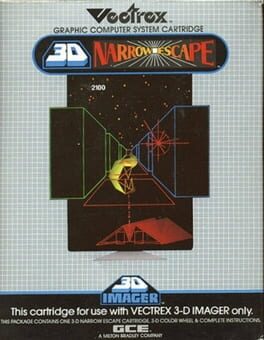
In 3D Narrow Escape you pilot a ship through fast‑moving, narrow corridors inside a warlord’s fortress, blasting defense forces while managing dwindling fuel. Collect fuel cells through holes in successive walls and survive increasingly tight challenges. After mastering the passages, face the warlord’s escape vessel in a final showdown, requiring precise shooting to liberate the star system. The game’s difficulty ramps with faster movement, smaller gaps, and tougher enemies across levels.
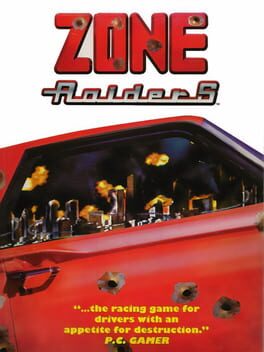
Zone Raiders is a real-time driving combat game set in a futuristic 3D graphics environment. Players assume the role of independent Raiders tasked with entering dangerous zones to retrieve, destroy, or activate critical items before making a successful escape. To accomplish their missions, players must battle hostile enemy vehicles. Both player and enemy crafts resemble classic mid-to-late 20th-century automobiles, uniquely enhanced with hover plates and heavy artillery for high-speed tactical warfare.
- Highly challenging navigation puzzles
- Simple yet addictive control scheme
- Progressive difficulty keeps gameplay fresh
- Authentic retro arcade experience
- Fast-paced driving combat action
- Unique retro-automobile hover vehicle designs
- Engaging objective-based zone missions
- Immersive futuristic 3D graphics for its era
- Limited to single-player mode
- No modern graphics or sound enhancements
- Steep learning curve for newcomers
- Limited to single player gameplay experience
- Dated graphics compared to modern titles
- High difficulty spikes during objective escapes
More alternatives & similar tools
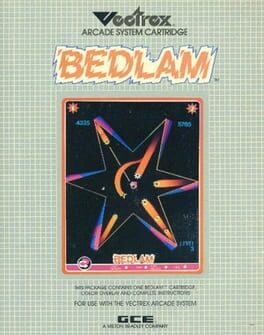
Alternatives to 3D Narrow Escape
View all →
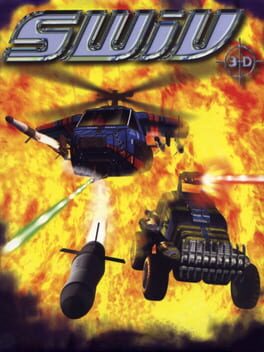
Alternatives to Zone Raiders
View all →

Pilot the ultimate orbital frame and save a Martian colony from destruction.
Command a team of LEGO miners on dangerous subterranean rescue and resource missions.
The Verdict
AI-generated from listing dataBoth are one‑time‑purchase retro‑style arcade games, but 3D Narrow Escape offers pure shooter‑puzzle navigation, while Zone Raiders adds vehicular combat and 3D zone missions.
Key differences
- •Game type: 3D Narrow Escape is a fixed‑screen shooter/puzzle; Zone Raiders is a vehicular combat racer.
- •Theme & setting: Space‑passage navigation vs futuristic hover‑car combat zones.
- •Content focus: Narrow Escape emphasizes precise timing and wall‑hole navigation; Zone Raiders emphasizes combat, objectives, and vehicle upgrades.
- •Release era: 1983 (classic arcade feel) vs 1995 (early 3D graphics).
- •Difficulty style: Narrow Escape has a steep learning curve from the start; Zone Raiders has spikes mainly during escape phases.
Gameplay & fun factor
Both deliver fast arcade action; one focuses on shooter navigation, the other on vehicular combat, appealing to different tastes.
Platform availability
Neither specification lists platforms; availability cannot be compared.
Pricing & value
Both are paid one‑time purchases; no price difference is given.
Multiplayer / co‑op
Both are single‑player only.
Content & replayability
Zone Raiders offers multiple zones, objectives, and vehicle upgrades, giving more varied content than Narrow Escape's single‑mode levels.
Difficulty & accessibility
3D Narrow Escape’s difficulty is progressive but consistent; Zone Raiders has high spikes that may frustrate newcomers.
Graphics & performance
Zone Raiders advertises immersive 3D graphics for its era, whereas Narrow Escape has no modern graphics enhancements.
Choose 3D Narrow Escape if…
Players who love classic arcade shooters and precise navigation puzzles.
Choose Zone Raiders if…
Players who prefer vehicle combat, varied missions, and early‑3D graphics.
Common questions
Do either of the games support multiplayer?
No; both are listed as single‑player only.
Which game offers more varied content or missions?
Zone Raiders includes multiple zones, objectives, and vehicle upgrades, while 3D Narrow Escape focuses on a single navigation‑shooting loop.
Is there a significant price difference?
Both are described as paid one‑time purchases; no price difference is provided.