Discover, compare, and save the best sandbox & survival alternatives.
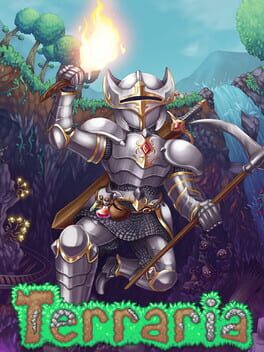
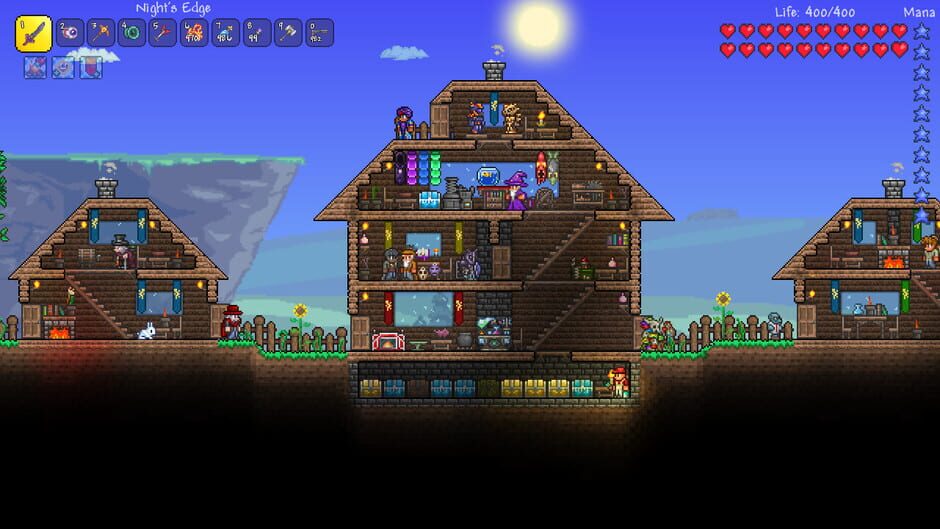
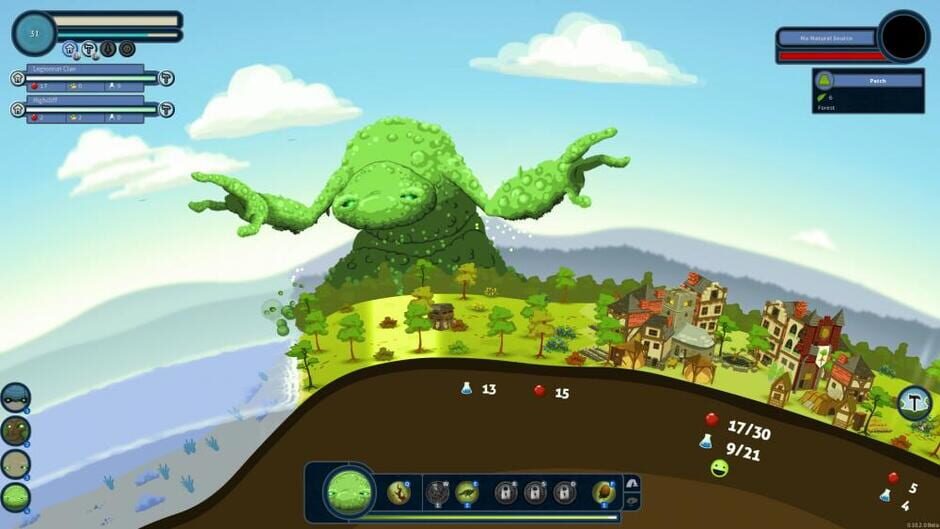
Minecraft, Terraria, Valheim, Reus, Stonehearth and SimEarth: The Living Planet are among the top-rated Sandbox & Survival picks.
Sandbox & Survival games offer a unique blend of creativity, exploration, and survival mechanics, appealing to players who enjoy open-world adventures and strategic challenges. These games are perfect for those who enjoy building, crafting, and overcoming obstacles in a virtual world. The problem they solve is providing an immersive experience that allows players to express themselves and test their survival skills. The key differences between Sandbox & Survival games lie in their core features, such as the level of creative freedom, survival mechanics, and multiplayer capabilities. For example, Minecraft focuses on building and exploration, while Valheim emphasizes survival and combat. Pricing models also vary, with some games offering a one-time purchase, while others opt for a subscription-based model or in-game purchases. Weighing these tradeoffs is crucial to finding the perfect game. Choosing the right Sandbox & Survival game can be overwhelming, given the numerous options available. Findalternative.net's comparison tool helps narrow down the field by allowing players to filter games based on specific features, such as platform, genre, and pricing model. By comparing games like Terraria, DayZ, and Starforge, players can find the perfect fit for their gaming preferences and discover new alternatives to their favorite games.
A roguelike game features procedurally generated content, turn-based gameplay, and permanent death, while a roguelite game often lacks one or more of these elements. The Binding of Isaac is an example of a roguelite game.
Many Sandbox & Survival games offer multiplayer capabilities, such as Minecraft, Terraria, and Valheim, allowing players to build and survive together. However, some games, like The Binding of Isaac, are designed for single-player experiences.
No, not all games in this category focus on building and crafting. Games like DayZ and Dead Island emphasize survival and combat, while games like Arma 3 and 0x10c offer a more realistic, simulation-based experience.
Yes, many Sandbox & Survival games are available on multiple platforms, including PC, consoles, and mobile devices. For example, Minecraft and Terraria can be played on various platforms, while Valheim is currently only available on PC.
Not all Sandbox & Survival games are suitable for all ages. Games like Dead Island and DayZ feature mature themes and violence, while games like Minecraft and Terraria are generally more family-friendly. Parents should review the game's content and ratings before allowing children to play.
Yes, many Sandbox & Survival games offer modding capabilities or community-created content, such as Minecraft and Terraria. These modifications can add new features, gameplay mechanics, or content to the game, extending its replay value.
New Sandbox & Survival games are released regularly, with many indie developers and major studios contributing to the genre. Players can stay up-to-date with the latest releases and updates by following gaming news and using findalternative.net's comparison tool to discover new games and alternatives to their favorites.
Sandbox & Survival splits into 3 subcategories worth browsing on their own: Sandbox & Creative (59), Survival Crafting (26), and Roguelike / Roguelite (16) — worth a look if you already know roughly which kind you need.
Browsing by use case instead? These products also surface under Action (48), Simulation (47), Adventure (44), Sandbox (43), Role‑Playing (35), and Shooter (29) — topic pages that pull from the whole catalog, not just Sandbox & Survival.
Comparing across more than just games? Findalternative.net also covers Software, Hardware, Gadgets, Appliances, and Hosting alternatives.
81% run on PC, 39% on Mac, 24% on Linux, and 22% on Xbox One — check platform support before committing if you need something specific.
Computed from real platform data across the category.
50% of products with a documented drawback cite a learning curve as a tradeoff worth knowing about going in.
Computed from real pricing and pros/cons data across the category — not a review aggregate.