


Abandoned Places: A Time for Heroes vs Arcanum: of Steamworks and Magick Obscura
Side-by-side comparison of features, pricing, ratings, and alternatives.
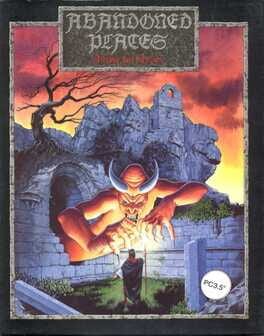
Abandoned Places: A Time for Heroes is a 1992 fantasy RPG where you control four heroes on a mission to stop the evil arch‑mage Bronagh and save the world of Kalynthia. The game blends a 2D top‑down overworld with 3D real‑time dungeon crawling reminiscent of Dungeon Master, offering a sandbox feel and plenty of side activities beyond the main quest. The interface lets you travel to towns by clicking symbols for services like healing or hints, while combat is point‑and‑click: select a weapon or spell, then click the monster, with cooldown timers after each use. This mix of exploration, party management, and real‑time action creates a deep, nostalgic adventure for solo players.
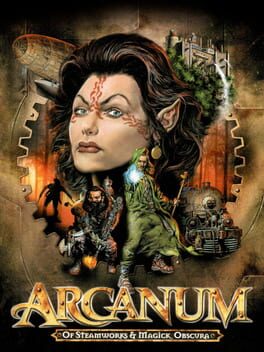
Arcanum is a deep role‑playing game set in a sprawling steampunk world where technology and sorcery clash. Players can shape their destiny through choices, faction alliances, and a massive skill system. The game offers a blend of turn‑based combat, extensive character customization, and a living world that reacts to your actions, delivering countless hours of exploration and storytelling.
- Rich open‑world exploration
- Blend of 2D and 3D perspectives
- Simple yet engaging point‑and‑click combat
- Deep party customization
- Extensive character customization
- Rich, branching storyline
- Deep world‑building and lore
- High replayability through varied builds
- Dated graphics may not appeal to modern eyes
- Limited UI feedback during cooldowns
- No multiplayer or co‑op options
- Outdated graphics by modern standards
- Steep learning curve for new players
- Occasional UI clunkiness
More alternatives & similar tools
Alternatives to Abandoned Places: A Time for Heroes
View all →
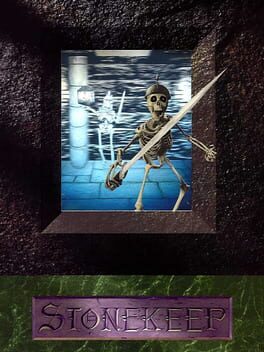
Embark on a classic fantasy RPG quest in a sprawling adventure.
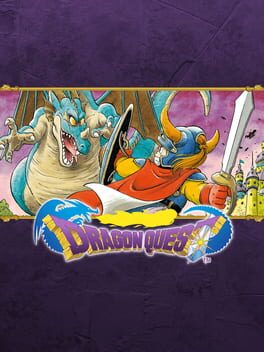
Embark on a classic quest to defeat the Dragonlord and rescue the kidnapped princess.
Alternatives to Arcanum: of Steamworks and Magick Obscura
View all →
The epic conclusion to the classic Wizardry saga, blending deep role‑playing with a rich fantasy world.
The Verdict
AI-generated from listing dataArcanum offers deeper character customization, turn‑based tactical combat, and multiplayer options, while Abandoned Places provides a simpler, retro 2D/3D experience with only single‑player.
Key differences
- •Combat style: turn‑based tactical (Arcanum) vs. real‑time click‑to‑attack (Abandoned Places).
- •Multiplayer support: Arcanum includes co‑op/multiplayer; Abandoned Places is single‑player only.
- •Era and graphics: Arcanum (2001) has newer 3D graphics than the early‑90s 2D/3D hybrid of Abandoned Places.
- •Character depth: Arcanum offers >30 skills and extensive skill trees; Abandoned Places limits to four hero classes.
- •Content volume: Arcanum boasts over 200 quests and a dynamic economy; Abandoned Places mentions side quests but no quest count.
Gameplay & fun factor
Arcanum’s turn‑based tactical combat and branching story provide more strategic depth than simple click‑to‑attack.
Platform availability
Both are PC titles; no platform differences are specified.
Price & value
Both priced at $49.99 with one‑time purchase.
Multiplayer / co‑op
Arcanum lists single player, multiplayer, and co‑operative modes; Abandoned Places is single‑player only.
Content & replayability
Arcanum includes over 200 quests, faction standing, and extensive crafting; Abandoned Places gives no comparable content count.
Difficulty & accessibility
Abandoned Places uses simple point‑and‑click combat, likely easier for newcomers than Arcanum’s steep learning curve.
Graphics & performance
Arcanum (2001) has newer 3D graphics than the early‑90s 2D/3D hybrid of Abandoned Places, though both are dated.
Choose Abandoned Places: A Time for Heroes if…
Players seeking a lightweight, retro‑style single‑player adventure with simple controls.
Choose Arcanum: of Steamworks and Magick Obscura if…
Players who want deep customization, strategic combat, and multiplayer options.
Common questions
Do both games support multiplayer?
Arcanum supports multiplayer and co‑op; Abandoned Places is single‑player only.
Which game offers more quests and story content?
Arcanum lists over 200 quests and multiple story branches; Abandoned Places does not specify a quest count.
Is the combat in either game beginner‑friendly?
Abandoned Places uses simple click‑to‑attack combat, while Arcanum’s turn‑based system has a steep learning curve.