


Abandoned Places: A Time for Heroes vs Child of Light
Side-by-side comparison of features, pricing, ratings, and alternatives.
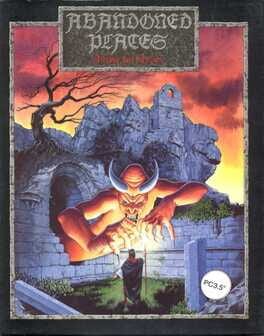
Abandoned Places: A Time for Heroes is a 1992 fantasy RPG where you control four heroes on a mission to stop the evil arch‑mage Bronagh and save the world of Kalynthia. The game blends a 2D top‑down overworld with 3D real‑time dungeon crawling reminiscent of Dungeon Master, offering a sandbox feel and plenty of side activities beyond the main quest. The interface lets you travel to towns by clicking symbols for services like healing or hints, while combat is point‑and‑click: select a weapon or spell, then click the monster, with cooldown timers after each use. This mix of exploration, party management, and real‑time action creates a deep, nostalgic adventure for solo players.
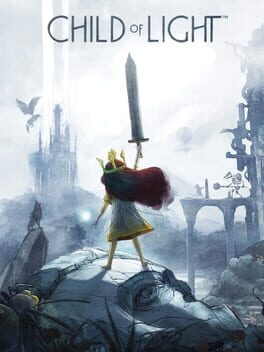
Child of Light is a hand-painted platforming role‑playing game presented like a storybook told in verse. Players guide Aurora, a young princess, through the dreamlike land of Lemuria to recover the stolen Sun, Moon, and Stars. Along the journey Aurora gathers allies, battles the Black Queen’s minions with turn‑based combat, and explores a poetic world filled with wonder and peril. The game supports both solo play and cooperative modes across multiple consoles and PC.
- Rich open‑world exploration
- Blend of 2D and 3D perspectives
- Simple yet engaging point‑and‑click combat
- Deep party customization
- Beautiful hand‑painted visuals
- Engaging turn‑based combat
- Poetic storytelling
- Accessible difficulty curve
- Dated graphics may not appeal to modern eyes
- Limited UI feedback during cooldowns
- No multiplayer or co‑op options
- Limited replayability after story completion
- Occasional imprecise platforming controls
- Multiplayer features are modest
More alternatives & similar tools
Alternatives to Abandoned Places: A Time for Heroes
View all →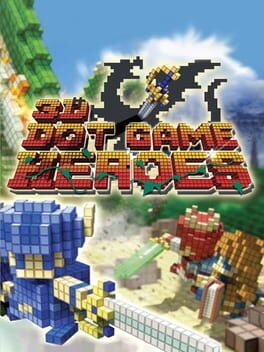
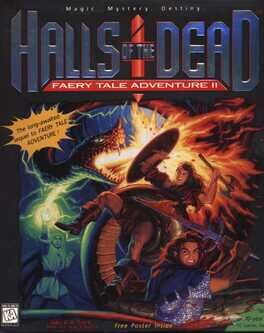
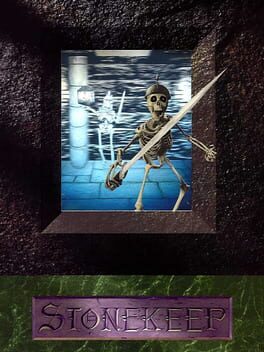
Embark on a classic fantasy RPG quest in a sprawling adventure.
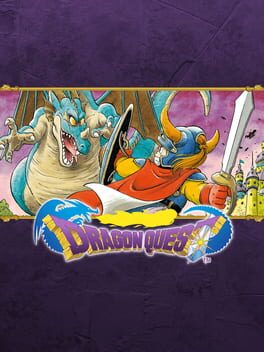
Embark on a classic quest to defeat the Dragonlord and rescue the kidnapped princess.
Alternatives to Child of Light
View all →
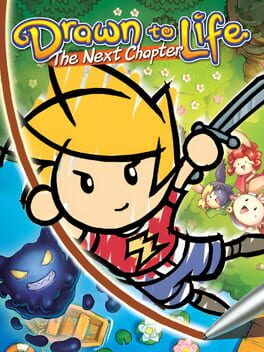
Draw and adventure in a hand‑drawn world to rescue the Raposa village.
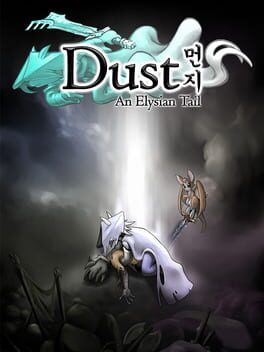
Explore a hand‑painted world as Dust, wielding the Blade of Ahrah in fast‑paced action.
The Verdict
AI-generated from listing dataChild of Light offers a polished, story‑driven platform RPG with modern visuals and co‑op for a low price, while Abandoned Places delivers a retro, open‑world RPG with deep party customization but at a higher cost and no multiplayer.
Key differences
- •Hand‑painted, storybook graphics vs dated early‑90s graphics
- •Turn‑based combat with poetic narration vs real‑time click‑to‑attack combat
- •Co‑op multiplayer available vs single‑player only
- •Price: $14.99 vs $49.99
- •Release era: 2014 modern game vs 1992 retro title
Gameplay & fun factor
Side‑scroll platforming with turn‑based combat and poetic storytelling (Critic 88/100) versus simple click‑to‑attack combat.
Platform availability
Available on PS3, PS4, PC, Xbox 360/One; Abandoned Places only runs on classic PC hardware.
Price & value
Child of Light costs $14.99, significantly cheaper than Abandoned Places' $49.99.
Multiplayer / co‑op
Child of Light includes co‑op; Abandoned Places is single‑player only.
Content & replayability
Abandoned Places offers a large open world and party customization, while Child of Light has limited replay after story.
Difficulty & accessibility
Child of Light has an accessible difficulty curve; Abandoned Places' dated UI offers limited feedback.
Graphics & performance
Hand‑painted visuals are modern and praised; Abandoned Places uses early‑90s graphics that may feel dated.
Choose Abandoned Places: A Time for Heroes if…
Buyers seeking a retro, open‑world experience with deep party customization and don’t mind higher price and no co‑op.
Choose Child of Light if…
Buyers who want a modern, visually striking, story‑driven RPG with co‑op and low cost.
Common questions
Which game is cheaper?
Child of Light costs $14.99; Abandoned Places costs $49.99.
Do either games support multiplayer?
Child of Light offers single‑player and co‑op multiplayer; Abandoned Places is single‑player only.
What platforms can I play them on?
Child of Light runs on PS3, PS4, PC, Xbox 360, Xbox One; Abandoned Places runs only on classic PC hardware from the early 1990s.