


Abandoned Places: A Time for Heroes vs Rifts: Promise of Power
Side-by-side comparison of features, pricing, ratings, and alternatives.
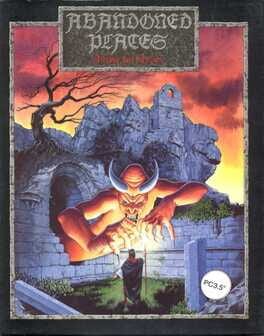
Abandoned Places: A Time for Heroes is a 1992 fantasy RPG where you control four heroes on a mission to stop the evil arch‑mage Bronagh and save the world of Kalynthia. The game blends a 2D top‑down overworld with 3D real‑time dungeon crawling reminiscent of Dungeon Master, offering a sandbox feel and plenty of side activities beyond the main quest. The interface lets you travel to towns by clicking symbols for services like healing or hints, while combat is point‑and‑click: select a weapon or spell, then click the monster, with cooldown timers after each use. This mix of exploration, party management, and real‑time action creates a deep, nostalgic adventure for solo players.
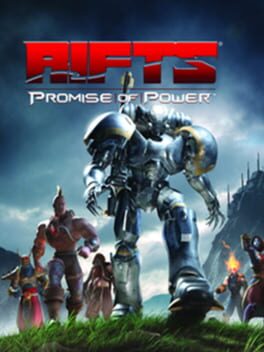
Rifts: Promise of Power adapts the pen‑and‑paper Rifts system to a turn‑based, action‑point combat engine for single‑player play. Players choose a proto‑class—Mercenary, Psionic, or Magic User—and later specialize into paths like Borg, Burster, or Ley Line Walker. The game introduces the exclusive Elemental Fusionist class, later incorporated into the Rifts Ultimate Edition core rulebook, and offers a shallow but broad sampling of the series' hundreds of classes, delivering strategic depth within a sci‑fi setting.
- Rich open‑world exploration
- Blend of 2D and 3D perspectives
- Simple yet engaging point‑and‑click combat
- Deep party customization
- Rich Rifts setting adapted for video games
- Clear turn‑based action‑point mechanics
- Variety of class and specialization options
- Unique Elemental Fusionist class
- Dated graphics may not appeal to modern eyes
- Limited UI feedback during cooldowns
- No multiplayer or co‑op options
- Limited to single‑player experience
- Shallow depth compared to tabletop source
- Outdated graphics by modern standards
More alternatives & similar tools
Alternatives to Abandoned Places: A Time for Heroes
View all →
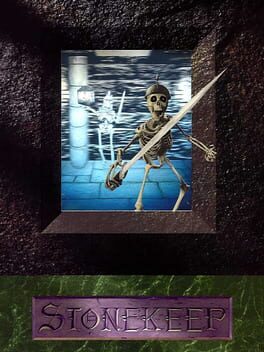
Embark on a classic fantasy RPG quest in a sprawling adventure.
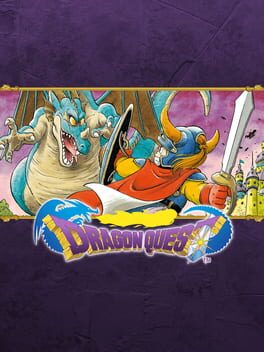
Embark on a classic quest to defeat the Dragonlord and rescue the kidnapped princess.
Alternatives to Rifts: Promise of Power
View all →
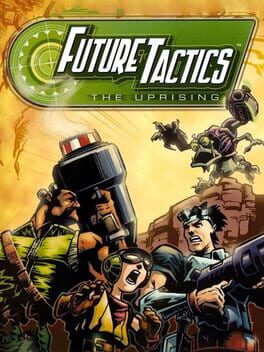
Lead the rebellion against alien overlords in turn‑based tactical combat.
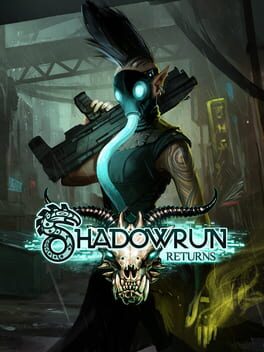
Turn‑based tactical combat meets sci‑fi action in a gritty mutant showdown.
The Verdict
AI-generated from listing dataRifts: Promise of Power offers turn‑based tactical sci‑fi RPG depth for fans of the Rifts universe, while Abandoned Places delivers a retro fantasy open‑world with mixed 2D/3D exploration and real‑time click combat.
Key differences
- •Setting: sci‑fi Rifts vs. classic fantasy world.
- •Combat style: turn‑based action‑point system vs. real‑time click‑to‑attack with cooldowns.
- •Visual era: 2005 graphics (outdated) vs. early‑90s retro graphics.
- •Class system: limited proto‑classes with specializations vs. four distinct heroes with unique abilities.
- •Price info: unspecified for Rifts vs. $49.99 MSRP for Abandoned Places.
Gameplay & fun factor
Turn‑based tactical depth and class specializations appeal to strategy‑focused players.
Platform availability
Both are single‑player PC titles; no platform details beyond release dates.
Price & value
Rifts price not specified; Abandoned Places costs $49.99, making direct comparison impossible.
Multiplayer / co‑op
Both are single‑player only; no multiplayer options.
Content & replayability
Open‑world exploration and side quests in Abandoned Places offer broader replay loops than Rifts' single campaign.
Difficulty & accessibility
Simpler real‑time click combat and static UI may be easier for newcomers than action‑point tactics.
Graphics & performance
Both have dated graphics, but Abandoned Places explicitly runs on early‑90s hardware, matching its retro style.
Choose Abandoned Places: A Time for Heroes if…
Players seeking a nostalgic fantasy adventure with open‑world exploration and simple real‑time combat.
Choose Rifts: Promise of Power if…
Fans of tactical, sci‑fi RPGs who prefer structured class choices and turn‑based combat.
Common questions
Which game has a clearer combat system for beginners?
Abandoned Places uses a simple click‑to‑attack system with cooldowns, while Rifts requires managing action points per turn.
Is there any multiplayer option?
Both titles are single‑player only; no co‑op or multiplayer modes are listed.
What is the known price for each game?
Abandoned Places lists an MSRP of $49.99; Rifts: Promise of Power does not specify a price in the provided data.