


Abandoned Places: A Time for Heroes vs Ultima III: Exodus
Side-by-side comparison of features, pricing, ratings, and alternatives.
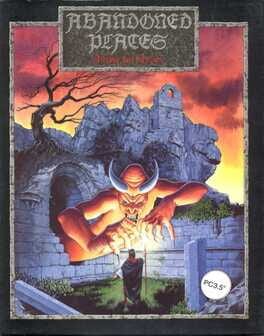
Abandoned Places: A Time for Heroes is a 1992 fantasy RPG where you control four heroes on a mission to stop the evil arch‑mage Bronagh and save the world of Kalynthia. The game blends a 2D top‑down overworld with 3D real‑time dungeon crawling reminiscent of Dungeon Master, offering a sandbox feel and plenty of side activities beyond the main quest. The interface lets you travel to towns by clicking symbols for services like healing or hints, while combat is point‑and‑click: select a weapon or spell, then click the monster, with cooldown timers after each use. This mix of exploration, party management, and real‑time action creates a deep, nostalgic adventure for solo players.
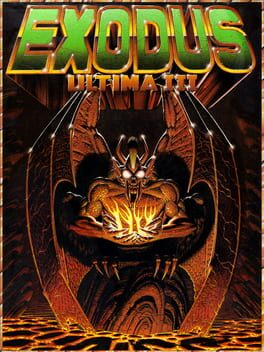
In Ultima III: Exodus, players answer Lord British’s call to confront a new, terrifying menace rising from the southwestern seas. The fiery island of Exodus harbors dark forces that threaten the peace of the Kingdom of Britannia, and only a brave party can uncover its secrets and defeat the evil within. Explore a richly detailed fantasy world, battle Orc raids, pirate fleets, and the mysterious entity from the depths of Hell. Build your party, gather powerful artifacts, and unravel the ancient manuscript fragments that hint at a sinister alliance between Mondain and Minax.
- Rich open‑world exploration
- Blend of 2D and 3D perspectives
- Simple yet engaging point‑and‑click combat
- Deep party customization
- Rich, lore‑heavy storyline
- Strategic turn‑based combat
- Deep party customization
- Authentic retro graphics and music
- Dated graphics may not appeal to modern eyes
- Limited UI feedback during cooldowns
- No multiplayer or co‑op options
- Limited modern UI conveniences
- High difficulty curve for newcomers
- Single‑player only
More alternatives & similar tools
Alternatives to Abandoned Places: A Time for Heroes
View all →
Embark on a classic fantasy RPG quest in a sprawling adventure.
Embark on a classic quest to defeat the Dragonlord and rescue the kidnapped princess.
Alternatives to Ultima III: Exodus
View all →
Embark on a new generation quest to retrieve the Orb of Earithin

Travel through time to stop Minax and restore Earth’s history.
The Verdict
AI-generated from listing dataBoth are classic single‑player fantasy RPGs, but Abandoned Places offers a hybrid 2D/3D world with real‑time combat, while Ultima III delivers turn‑based battles and a deeper branching story.
Key differences
- •Combat style: real‑time click‑to‑attack (A) vs turn‑based tactical (B).
- •Perspective: 2D top‑down overworld with 3D dungeons (A) vs fully 2D pixel overworld (B).
- •Narrative depth: branching storyline with choices (B) vs more exploration‑focused (A).
- •Release era: 1992 (A) vs 1983 (B), affecting graphics and UI conventions.
Gameplay & fun factor
A offers real‑time action; B offers strategic turn‑based depth—appeal depends on player preference.
Platform availability
Both are PC titles from their era; no modern platform info provided.
Pricing & value
A lists MSRP $49.99; B’s price is not specified, so value cannot be compared.
Multiplayer / co‑op
Both are single‑player only.
Content & replayability
B features branching narrative and multiple endings, increasing replay value.
Difficulty & accessibility
A’s simple click‑to‑attack system is easier for newcomers than B’s high difficulty curve.
Graphics & performance
A mixes 2D and 3D and runs on early‑90s hardware; B uses 1983 pixel graphics, which are more dated.
Choose Abandoned Places: A Time for Heroes if…
Players who prefer faster, real‑time combat and a mix of 2D/3D visuals.
Choose Ultima III: Exodus if…
Players who value deep story choices and strategic turn‑based battles.
Common questions
Which game is cheaper?
A costs $49.99; B’s price is not listed, so cost cannot be directly compared.
Do either of these support multiplayer?
No. Both are single‑player only.
Is the combat system beginner‑friendly?
A uses simple click‑to‑attack with cooldowns, making it easier for beginners; B uses turn‑based combat with a steep learning curve.