


Age of Empires: The Rise of Rome vs Police Quest: SWAT
Side-by-side comparison of features, pricing, ratings, and alternatives.
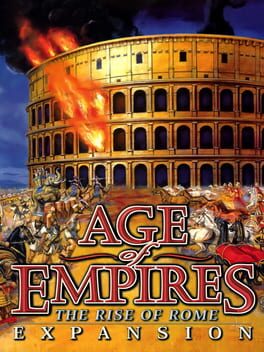
Age of Empires: The Rise of Rome is the acclaimed expansion to the classic real‑time strategy classic, adding new civilizations, units, and technologies set in the ancient world. Players command Romans, Greeks, Carthaginians, and more, mastering resource management, tactical combat, and empire building across single‑player campaigns and multiplayer battles. The expansion refines the original engine with improved AI, balanced gameplay, and richer historical scenarios, delivering a deeper and more immersive RTS experience for both veterans and newcomers.
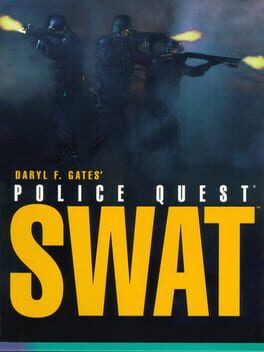
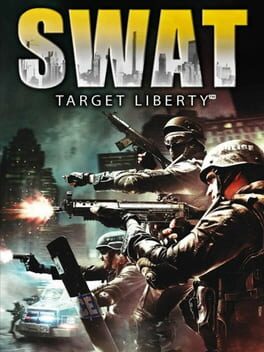
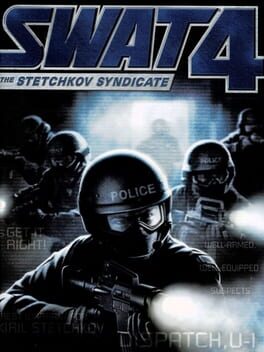
Police Quest: SWAT puts you in the shoes of a tactical police unit, demanding careful planning and precise execution. The game blends strategy, simulation, and action as you coordinate squads, manage equipment, and respond to high‑risk incidents. Released in 1995 for PC and Mac, the title offers a gritty, methodical experience that challenges players to think like real‑world law enforcement while navigating the limitations of 1990s graphics and interface design.
- Rich historical content
- Diverse civilizations with unique units
- Improved AI over the base game
- Strong multiplayer community
- Deep tactical planning
- Authentic police procedures
- Challenging single‑player experience
- Historical retro appeal
- Graphics are dated by modern standards
- Limited to PC platform
- Campaign length can feel short for some players
- Outdated graphics and UI
- Steep learning curve
- Limited replay variety
More alternatives & similar tools
Alternatives to Age of Empires: The Rise of Rome
View all →
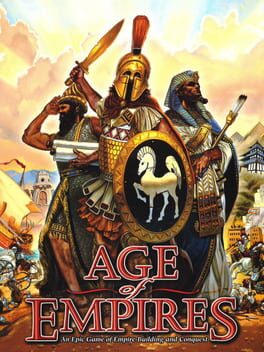
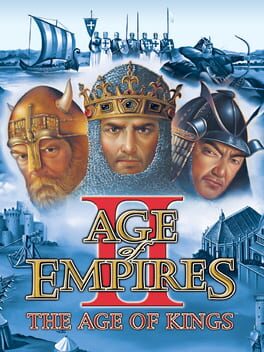
Lead historic civilizations to victory in timeless real‑time strategy battles.
Alternatives to Police Quest: SWAT
View all →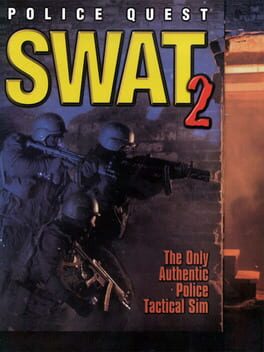
The Verdict
AI-generated from listing dataAge of Empires: The Rise of Rome offers richer content, better reviews, and multiplayer for a higher price, while Police Quest: SWAT is a cheap, niche tactical police sim with limited replay and no multiplayer.
Key differences
- •Genre: Police Quest is a tactical police simulation; Age of Empires is a real‑time strategy game.
- •Multiplayer: Police Quest is single‑player only; Age of Empires supports up to eight players.
- •Critical reception: Police Quest scored 37/100; Age of Empires scored 85/100.
- •Content breadth: Age of Empires adds new civilizations, 20+ units, tech tree, and a map editor; Police Quest offers limited replay variety.
- •Price: Police Quest costs $19.99; Age of Empires costs $49.99.
Gameplay & fun factor
Age of Empires provides diverse units, campaigns, and multiplayer, appealing to broader audiences than the niche SWAT tactics.
Platform availability
Both are PC titles; no other platforms are listed for either.
Price & value
Police Quest is $19.99 versus Age of Empires at $49.99, offering lower upfront cost.
Multiplayer / co‑op
Age of Empires supports up to eight players; Police Quest is single‑player only.
Content & replayability
Age of Empires adds new civilizations, 20+ units, a scenario editor, and a longer campaign; Police Quest has limited replay variety.
Difficulty & accessibility
Police Quest has a steep learning curve but lower overall complexity; Age of Empires is more accessible with broader tutorials.
Graphics & performance
Both are dated, but Age of Empires offers enhanced graphics and sound over Police Quest's outdated visuals.
Choose Age of Empires: The Rise of Rome if…
Buy Age of Empires if you want richer strategy, multiplayer, and better overall value despite higher price.
Choose Police Quest: SWAT if…
Buy Police Quest if you want a cheap, single‑player tactical police experience and don't need multiplayer.
Common questions
Which game offers multiplayer?
Age of Empires supports up to eight players; Police Quest is single‑player only.
Is the higher price of Age of Empires justified?
Yes; it includes more content, better reviews (85 vs 37), and multiplayer, providing greater overall value.
Do either of these games run on modern systems?
Both are older PC titles; no specific modern compatibility information is provided.