


AMD Ryzen 9 9950X vs AMD Ryzen AI 9 HX 370
Side-by-side comparison of features, pricing, ratings, and alternatives.
The AMD Ryzen 9 9950X is a powerful desktop processor designed for demanding workloads. With 16 cores and 32 threads, it provides exceptional performance for content creation, gaming, and other compute-intensive tasks. Built on AMD's Zen 5 architecture, this processor offers a significant boost in performance and efficiency compared to previous generations.
The AMD Ryzen AI 9 HX 370 is a high-performance processor designed to deliver exceptional speed and efficiency for demanding workloads. Built on the advanced TSMC 4nm FinFET process, it seamlessly integrates cutting-edge CPU and graphics capabilities to elevate modern computing. Equipped with advanced integrated graphics and a flexible configurable TDP, this processor empowers users to tackle intensive gaming, content creation, and AI tasks effortlessly. Its hybrid architecture ensures optimal power distribution, making it an ideal choice for efficient, high-end mobile systems.
- Exceptional multi-threading performance
- High-performance gaming capabilities
- Overclocking support for customization
- Integrated Ryzen Master Utility for easy monitoring
- Excellent multi-core performance for demanding applications
- Powerful integrated Radeon 890M graphics
- High energy efficiency with a flexible configurable TDP
- Dedicated NPU for accelerated artificial intelligence tasks
- High power consumption
- Expensive compared to other Ryzen processors
- Limited availability in certain regions
- Relies on platform availability in pre-built mobile systems
- Higher cost associated with flagship hardware
- Shared thermal limits between CPU and integrated graphics
More alternatives & similar tools
Alternatives to AMD Ryzen 9 9950X
View all →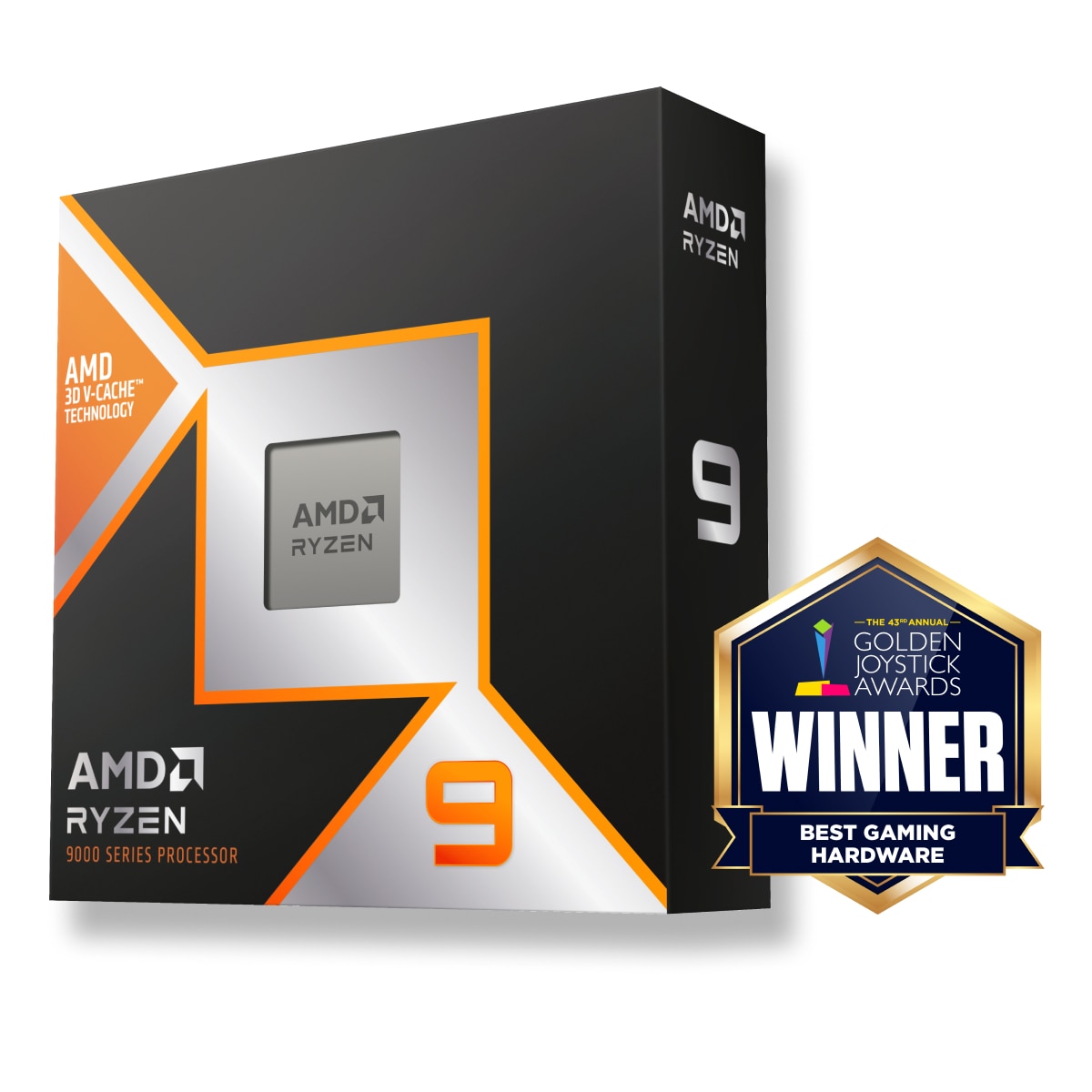

Alternatives to AMD Ryzen AI 9 HX 370
View all →A high-performance mobile processor designed for gamers and demanding creators.

The Verdict
AI-generated from listing dataChoose the Ryzen AI 9 HX 370 if you need a power‑efficient, AI‑optimized mobile processor with strong integrated graphics; choose the Ryzen 9 9950X for maximum desktop multi‑core performance despite higher power draw and cost.
Key differences
- •Form factor: A is a mobile FP8‑socket chip with configurable TDP; B is a desktop socket processor.
- •Core architecture: A uses 4 Zen 5 + 8 Zen 5c cores (12 total); B uses 16 full Zen 5 cores.
- •Integrated graphics & NPU: A includes Radeon 890M GPU and a 50 TOPS NPU; B has no integrated GPU or NPU.
- •Power envelope: A defaults to 28 W (15‑54 W range); B has high power consumption (unspecified but noted as high).
- •Feature set: A targets AI workloads and low‑power scenarios; B emphasizes overclocking and PCIe 5.0/DDR5 support.
Performance
B offers 16 Zen 5 cores vs. A's 12 hybrid cores, giving higher raw multi‑threaded throughput.
Build quality
Both are built on AMD's latest processes (A on TSMC 4 nm, B on Zen 5 node); no data on chassis or materials.
Connectivity
B supports PCIe 5.0 and DDR5 memory; A's connectivity details are not specified.
Power & efficiency
A's configurable TDP as low as 15 W contrasts with B's noted high power consumption.
Compatibility
B fits standard desktop platforms; A requires FP8 mobile platforms, limiting availability.
Price & value
Both are paid, but A's integrated GPU and NPU add functionality that may offset cost for mobile users.
Warranty & support
No warranty or support information provided for either product.
Choose AMD Ryzen 9 9950X if…
Desktop enthusiasts seeking maximum core count and overclocking headroom.
Choose AMD Ryzen AI 9 HX 370 if…
Mobile gamers, AI developers, or creators needing strong integrated graphics and low power.
Common questions
Which processor has better integrated graphics?
A includes AMD Radeon 890M with 16 compute units up to 2900 MHz; B has no integrated graphics listed.
Can I overclock the CPUs?
B explicitly supports an unlocked multiplier for overclocking; A’s overclocking capability is not specified.
What is the power consumption difference?
A defaults to 28 W (configurable 15‑54 W); B is described as having high power consumption, exact figure not given.