


Anvil of Dawn vs Might and Magic VII: For Blood and Honor
Side-by-side comparison of features, pricing, ratings, and alternatives.
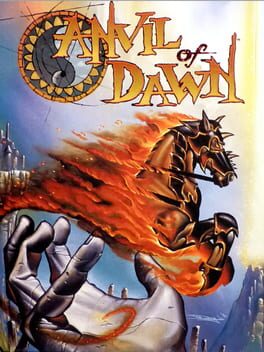
The world of Tempest calls for a champion to battle dark forces across a massive landscape. As a lone hero, you wield a blade and over 25 elemental spells to explore dungeons, solve puzzles, and shape the outcome of each encounter. Anvil of Dawn blends real-time and turn‑based combat, letting you pause, plan, and unleash powerful combos. Your choices affect the flow of battle, offering a deep, strategic experience for fans of classic fantasy RPGs.
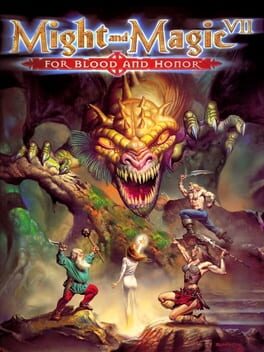
Might and Magic VII: For Blood and Honor is an open‑world classic CRPG that lets you switch between real‑time and turn‑based combat, offering a rich fantasy setting on the continent of Antagarich. Build a party of four, choose from four races and nine base classes, then promote them through a complex hierarchy to reach one of 18 end‑game classes. The game features a compelling political storyline, memorable locations, a soundtrack, and the addictive Arcomage card mini‑game, delivering over a hundred hours of adventure for single‑player fans of deep role‑playing experiences.
- Deep hybrid combat system
- Rich elemental magic variety
- Extensive dungeon exploration
- Classic 1995 retro charm
- Rich class promotion system with 36 variations
- Open world exploration with diverse locations
- Both real‑time and turn‑based combat options
- Includes the popular Arcomage card mini‑game
- Outdated graphics by modern standards
- Steep learning curve for hybrid mechanics
- Limited platform availability
- Aging graphics may feel dated to modern players
- Combat can be unforgiving for newcomers
- Limited UI modernization and quality‑of‑life features
More alternatives & similar tools
Alternatives to Anvil of Dawn
View all →No alternatives listed yet. Browse similar tools →
Alternatives to Might and Magic VII: For Blood and Honor
View all →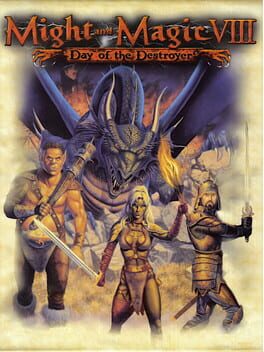
Save the world from elemental gates and the Destroyer in a classic RPG adventure.
The Verdict
AI-generated from listing dataMight and Magic VII offers richer content, higher critical acclaim, and more class variety at a higher price, while Anvil of Dawn is a cheaper, smaller‑scale hybrid‑combat RPG with retro charm.
Key differences
- •Content depth: Might & Magic VII provides an open world and 100+ hours of play versus Anvil's limited dungeon focus.
- •Class system: Might & Magic VII has 36 class promotions; Anvil only mentions spell variety.
- •Price: Anvil costs $19.99; Might & Magic VII costs $49.99.
- •Critical reception: Might & Magic VII scores 80/100, Anvil scores 65/100.
- •Release era graphics: Both are dated, but Anvil (1995) is older than Might & Magic VII (1999).
Gameplay & fun factor
Might & Magic VII offers open‑world exploration, 36 class combos, and a mini‑game, giving broader fun than Anvil's dungeon focus.
Platform availability
Both are listed as single‑player only with unspecified platform lists; no difference indicated.
Price & value
Anvil costs $19.99 versus $49.99 for Might & Magic VII, offering lower upfront cost.
Multiplayer / co‑op
Both are single‑player only; no multiplayer features for either.
Content & replayability
Might & Magic VII promises over 100 hours, open world, and class diversity; Anvil focuses on puzzles and dungeons.
Difficulty & accessibility
Anvil’s steep learning curve is noted, but Might & Magic VII’s combat is described as unforgiving for newcomers.
Graphics & performance
Both suffer from aging graphics; no specific performance data to differentiate.
Choose Anvil of Dawn if…
Buyers on a tight budget who want a short, retro‑style hybrid combat RPG.
Choose Might and Magic VII: For Blood and Honor if…
Buyers seeking deep class options, extensive world exploration, and higher critical quality, and willing to pay more.
Common questions
Which game offers more playtime?
Might & Magic VII advertises over a hundred hours; Anvil of Dawn’s length isn’t specified.
Is the higher price of Might & Magic VII justified?
It provides an open world, 36 class promotions, and a higher critic score (80 vs 65).
Do either of these support multiplayer?
Both are single‑player only.