


Azrael's Tear vs Stonekeep
Side-by-side comparison of features, pricing, ratings, and alternatives.

Step into the boots of a Raptor, a sophisticated high-tech thief equipped with cutting-edge gear. After receiving a tip from a rival about the potential discovery of the Holy Grail, you venture deep into an ancient subterranean resting place to claim the ultimate prize. Navigating treacherous depths, you must solve intricate puzzles and unravel a profound sci-fi mystery. Combining advanced technology with ancient secrets, this classic title offers a unique narrative-driven experience for players seeking a blend of exploration and puzzle-solving.
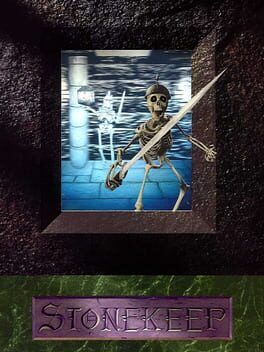
Stonekeep immerses players in a gritty, first‑person dungeon crawl set within a sprawling, cursed fortress. With its atmospheric graphics and real‑time combat, the 1995 classic delivers a blend of puzzle solving and monster slaying that feels both nostalgic and challenging. The game’s single‑player focus lets you explore the depths of the castle at your own pace, uncovering hidden lore and powerful artifacts while battling a variety of fantasy foes. Its blend of role‑playing depth and action‑oriented gameplay still holds appeal for fans of retro adventure titles.
- Unique blend of sci-fi and ancient mythology
- Engaging and challenging puzzles
- Atmospheric and immersive setting
- Classic 90s adventure nostalgia
- Atmospheric and immersive castle setting
- Real‑time combat adds excitement
- Rich inventory and magic systems
- Challenging puzzles and exploration
- Dated 1996 graphics and user interface
- Can be difficult to navigate without a guide
- Limited to single player experience
- Outdated controls can feel clunky
- Graphics are dated by modern standards
- Limited save system restricts flexibility
More alternatives & similar tools
Alternatives to Azrael's Tear
View all →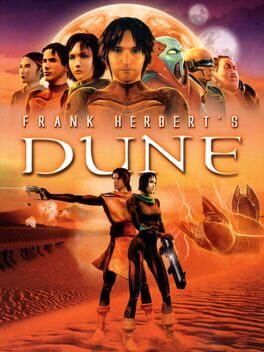

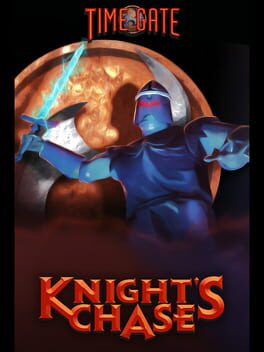
Answer a desperate cry from a secret dungeon with the last Knights Templar.

Unravel a gothic murder mystery in a classic point‑and‑click adventure
Alternatives to Stonekeep
View all →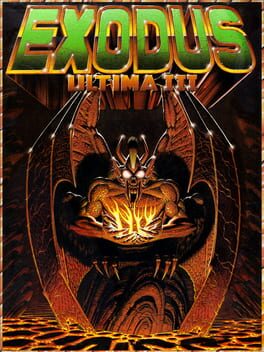
Embark on a heroic quest to stop the fiery island of Exodus threatening Britannia

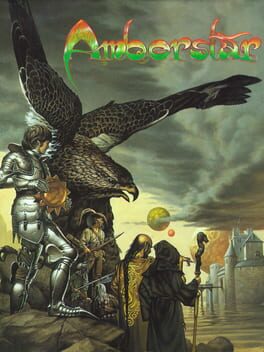
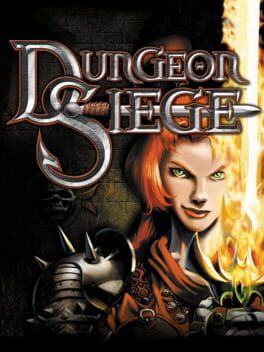
The Verdict
AI-generated from listing dataStonekeep offers classic RPG combat and exploration in a cursed castle, while Azrael's Tear focuses on sci‑fi puzzles and mystery in an ancient complex.
Key differences
- •Combat vs. puzzle focus: Stonekeep features real‑time melee/ranged combat; Azrael's Tear centers on logic puzzles.
- •Setting/theme: Stonekeep is dark fantasy; Azrael's Tear blends sci‑fi tech with Holy Grail mythology.
- •Graphics era: Both are 1990s, but Stonekeep’s graphics are noted as dated; Azrael's Tear also dated with no specific critique.
- •Inventory depth: Stonekeep includes weapons, armor, potions, magic; Azrael's Tear uses a specialized gadget inventory.
- •Price info: Stonekeep lists $49.99; Azrael's Tear price not provided.
Gameplay & fun factor
Both emphasize different core loops—combat for Stonekeep, puzzles for Azrael's Tear—appealing to distinct tastes.
Platform availability
Both are listed only as PC titles; no further platform data provided.
Price & value
Stonekeep has a known MSRP of $49.99; Azrael's Tear price is not specified.
Multiplayer / co‑op
Both are single‑player only.
Content & replayability
Stonekeep offers a large multi‑level castle, character leveling, and inventory depth, suggesting more replay hooks.
Difficulty & accessibility
Azrael's Tear’s puzzles are described as challenging and may require a guide, implying higher difficulty for newcomers.
Graphics & performance
Both are described as dated 1990s graphics; no performance metrics are given.
Choose Azrael's Tear if…
Players who prefer sci‑fi narrative puzzles and mystery over combat.
Choose Stonekeep if…
Fans who want RPG combat, character growth, and a fantasy castle experience.
Common questions
Which game is cheaper?
Stonekeep costs $49.99; Azrael's Tear price is not listed.
Do either of the games support multiplayer?
Both are single‑player only.
Is there a steep learning curve?
Azrael's Tear is noted for challenging puzzles that may need a guide; Stonekeep’s controls feel clunky but are typical for its era.