


Brita Longlast Water Filter vs Ecowater ERO375
Side-by-side comparison of features, pricing, ratings, and alternatives.


The Brita Longlast Water Filter is a high-capacity replacement cartridge designed for Brita pitchers and dispensers. It provides up to six months of filtration, removing lead, chlorine, and other contaminants while preserving essential minerals for better taste. Ideal for households and offices, the Longlast filter offers a cost-effective solution to reduce bottled‑water waste and improve hydration quality without the need for electricity or complex installation.
The Ecowater ERO375 is a 3‑stage reverse osmosis system designed for under‑sink installation, providing up to 75 gallons of purified water per day. It removes chlorine, lead, cysts, and other contaminants while retaining beneficial minerals for great‑tasting water. Ideal for families and health‑conscious individuals, the ERO375 features a sleek, space‑saving design and a dedicated faucet that delivers instant, ready‑to‑drink water straight from the tap.
- Long lifespan reduces replacement frequency
- Effective lead and chlorine removal
- Fits all Brita pitcher models
- No power or plumbing required
- High contaminant removal efficiency
- Large daily output for family use
- Compact under‑sink installation
- NSF certified components
- Higher upfront cost than standard filters
- Only compatible with Brita brand pitchers
- No smart connectivity features
- Replacement cartridges must be purchased separately
- No built‑in smart monitoring
- Requires regular filter and membrane replacement
- Initial installation may need a plumber for optimal setup
More alternatives & similar tools
Alternatives to Brita Longlast Water Filter
View all →
Compact under‑sink water filter delivering great‑tasting, contaminant‑free water

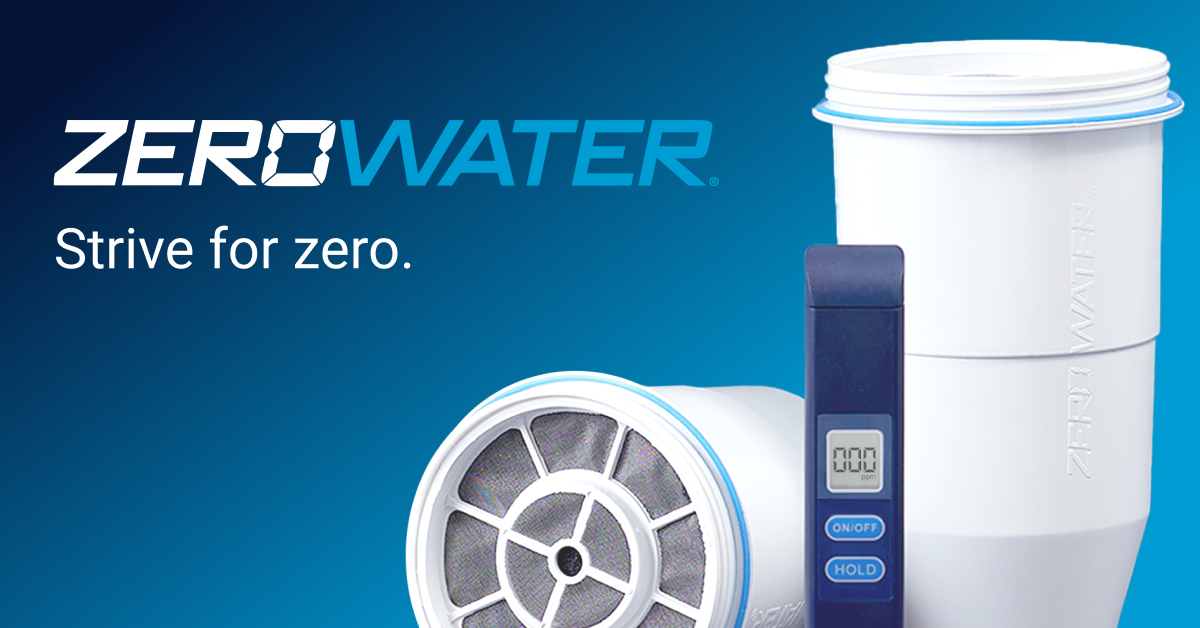

Alternatives to Ecowater ERO375
View all →

Tankless under‑sink RO system delivering 800 gallons per day of pure water.
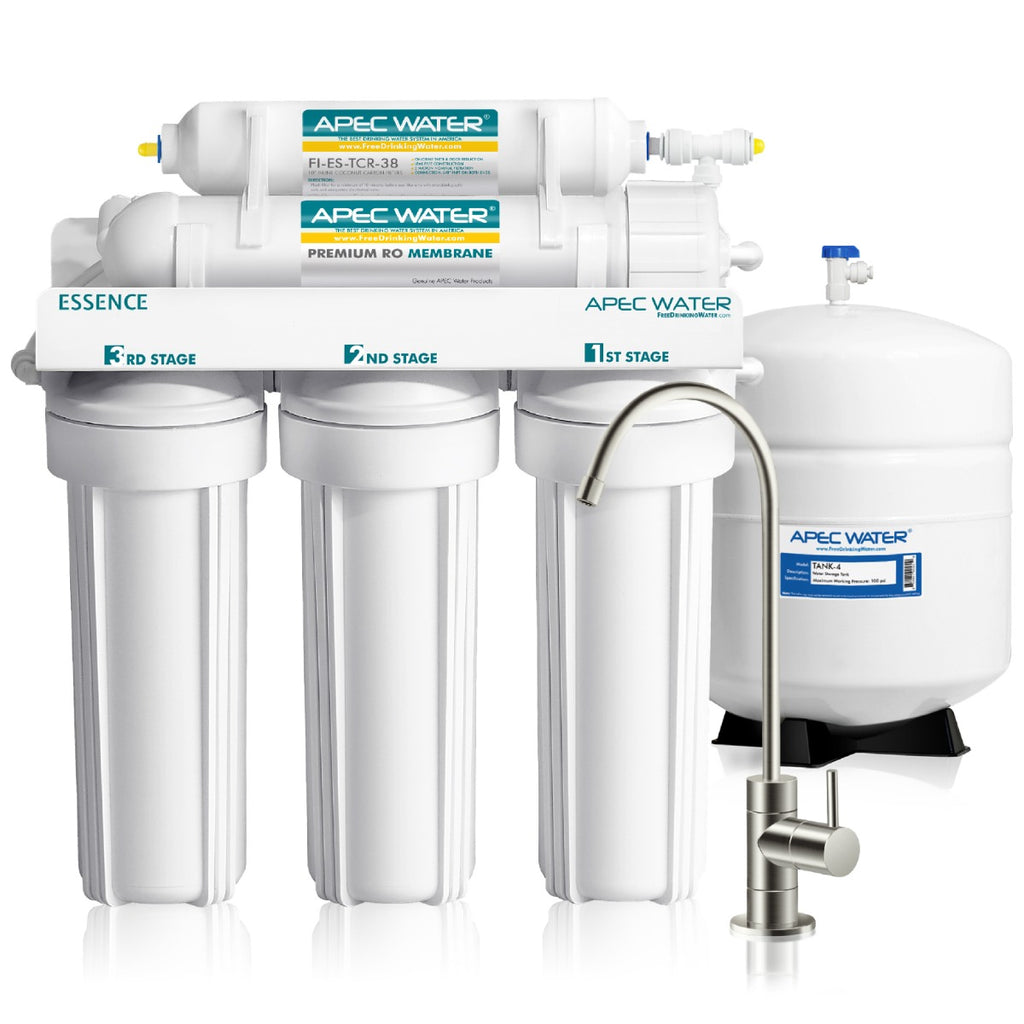
High-capacity 5-stage under-sink RO system producing 100 gallons per day.

Pure drinking water at the tap with 99.9% contaminant removal
The Verdict
AI-generated from listing dataThe Brita Longlast filter is the low‑cost, easy‑install pitcher option with modest capacity, while the Ecowater ERO375 is a pricey under‑sink RO system that delivers far higher daily output and pure water.
Key differences
- •Installation: Brita is a snap‑in pitcher filter (no plumbing); Ecowater requires under‑sink setup, possibly a plumber.
- •Capacity: Brita provides ~150 gal total (≈6 months); Ecowater produces 75 gal per day.
- •Price: Brita costs $29.99; Ecowater costs $599.
- •Compatibility: Brita works only with Brita pitchers; Ecowater is a standalone under‑sink system with its own faucet.
- •Maintenance: Brita filter changes less often; Ecowater needs regular filter and membrane replacements.
Pricing
Brita costs $29.99 versus Ecowater $599, making it far cheaper up front.
Capacity
Ecowater delivers 75 gal per day; Brita provides only 150 gal total (~6 months).
Installation
Brita is a snap‑in pitcher filter, no plumbing; Ecowater requires under‑sink installation, possibly a plumber.
Compatibility
Brita works only with Brita pitchers; Ecowater includes its own faucet and fits any standard under‑sink space.
Maintenance cost
Brita filter replacements are less frequent and cheaper; Ecowater needs regular filter and membrane changes.
Warranty
Both products offer a 1‑year warranty.
Size & footprint
Brita filter is a small pitcher cartridge; Ecowater measures 13 × 7 × 15 inches under the sink.
Choose Brita Longlast Water Filter if…
Renters or small households wanting simple, low‑cost pitcher filtration without plumbing.
Choose Ecowater ERO375 if…
Homeowners needing high daily output and maximum contaminant removal, willing to install under‑sink.
Common questions
How much does each system cost?
Brita Longlast is $29.99; Ecowater ERO375 is $599.
Which system provides more water per day?
Ecowater produces up to 75 gal per day; Brita’s filter holds about 150 gal total, lasting roughly six months.
Do I need professional installation?
Brita requires no plumbing—just snap the cartridge into a pitcher. Ecowater is DIY but may need a plumber for optimal setup.