


Coinigy vs DeBank
Side-by-side comparison of features, pricing, ratings, and alternatives.
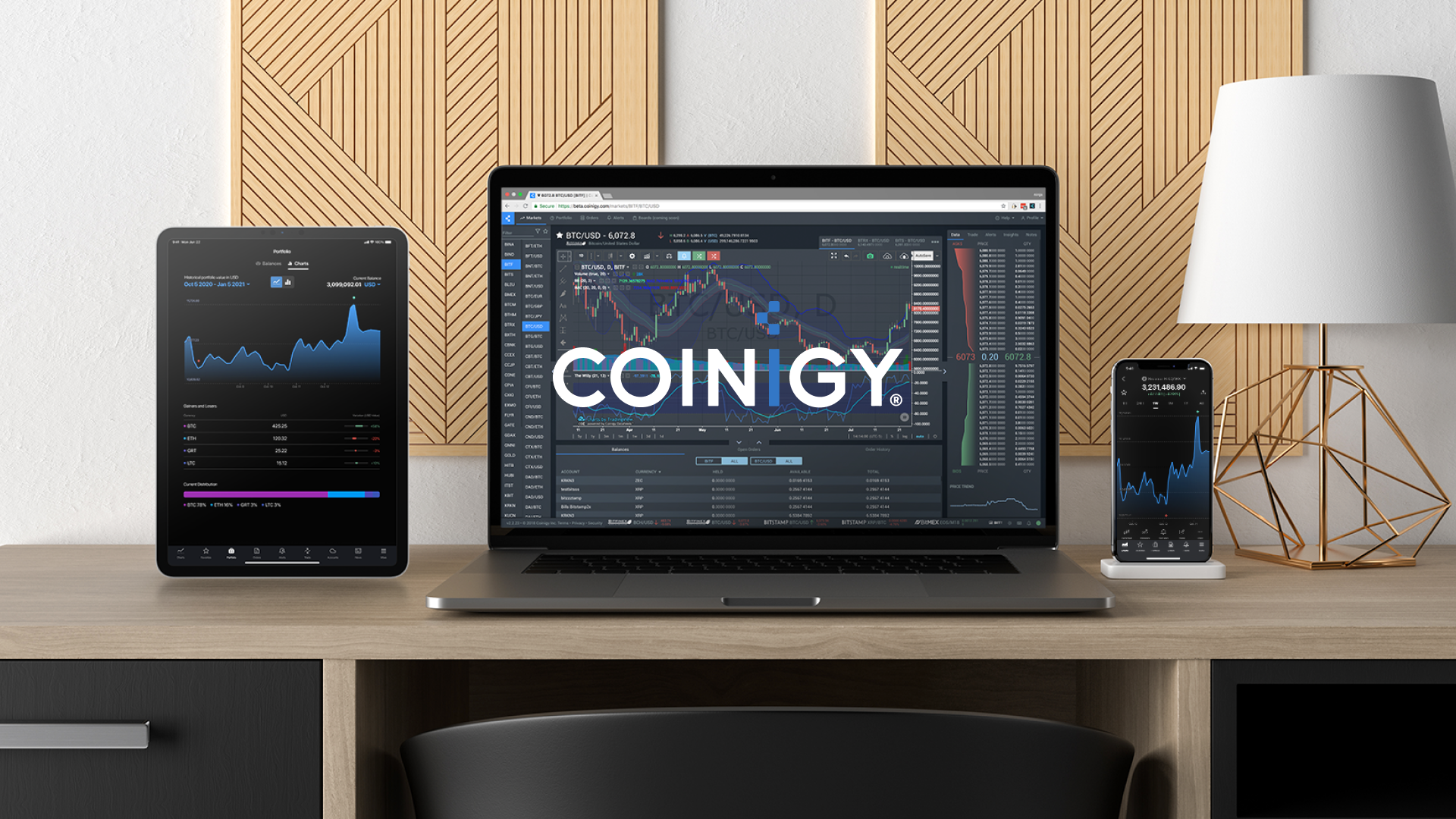

Coinigy provides a unified dashboard for managing crypto assets across dozens of exchanges, offering real‑time market data and advanced charting tools. It lets traders execute orders, set alerts, and monitor portfolio performance without switching between multiple exchange interfaces.
DeBank is a portfolio tracking platform for Ethereum and other EVM-compatible blockchains, letting users view tokens, LP positions, lending, and staking balances from a single wallet-address dashboard instead of checking each protocol separately. It covers a large range of DeFi protocols across dozens of chains and refreshes balances by reading on-chain data tied to the wallet address entered. Beyond tracking, DeBank includes a social layer where users can follow other wallets and see their public activity, and it is the team behind the separately branded Rabby browser wallet. The core portfolio viewer requires no signup and works by simply searching any public wallet address.
- Supports a wide range of exchanges
- Robust charting with many indicators
- Real‑time alerts keep users informed
- Integrated order execution reduces platform hopping
- No signup needed to check any public wallet's portfolio
- Broad coverage of DeFi protocols and EVM chains
- Free to use for core tracking
- Mobile apps available alongside the web dashboard
- Higher cost than basic portfolio trackers
- Interface can be overwhelming for beginners
- Limited mobile app functionality
- Focused on EVM chains, limited value for non-EVM ecosystems like Solana or Bitcoin
- Data depends on protocol integrations being current, new or obscure protocols may not show up immediately
- Social feed features add noise for users who only want a plain balance view
More alternatives & similar tools
Alternatives to Coinigy
View all →

Charting, screening, and social platform for tracking stocks, crypto, forex, and futures.
Alternatives to DeBank
View all →

The Verdict
AI-generated from listing dataCoinigy is a paid, feature‑rich platform for active traders who need integrated order execution and advanced charting, while DeBank is a free, lightweight tracker focused on on‑chain DeFi holdings without trading capabilities.
Key differences
- •Coinigy lets users place market, limit, and stop orders directly; DeBank does not support order execution.
- •Coinigy covers 45+ exchanges and traditional spot markets; DeBank only aggregates EVM‑chain DeFi assets.
- •Coinigy requires a subscription; DeBank is free to use.
- •Coinigy offers TradingView‑style charts and real‑time alerts; DeBank provides a simple balance view with a social feed.
- •Coinigy provides email, live‑chat, and knowledge‑base support; DeBank offers only a help centre and community channels.
Pricing & value
DeBank is free, whereas Coinigy requires a paid subscription.
Ease of use / learning curve
DeBank’s no‑signup, wallet‑paste interface is simpler than Coinigy’s multi‑exchange setup.
Features & depth
Coinigy includes order execution, advanced TradingView charts, and detailed tax reports; DeBank is limited to balance tracking.
Integrations & ecosystem
Coinigy integrates with 45+ exchanges (Binance, Coinbase Pro, Kraken, etc.); DeBank only covers EVM chains and DeFi protocols.
Support
Coinigy offers email, live chat, and a knowledge base; DeBank provides only help‑center and community channels.
Security & privacy
Both are cloud SaaS with no open‑source code; specific security details not specified.
Choose Coinigy if…
Active crypto traders who need built‑in order execution, advanced charting, and multi‑exchange management.
Choose DeBank if…
Users who only need to monitor on‑chain DeFi wallets across EVM chains and prefer a free, no‑login solution.
Common questions
Can I trade directly from the platform?
Coinigy allows market, limit, and stop orders; DeBank does not support order execution.
Is there any cost to use the tool?
Coinigy requires a paid subscription; DeBank is free.
Which tool supports more exchanges and assets?
Coinigy aggregates data from over 45 exchanges; DeBank focuses on Ethereum and EVM‑compatible DeFi assets only.