


Command & Conquer: Red Alert vs Warhammer 40,000: Dawn of War
Side-by-side comparison of features, pricing, ratings, and alternatives.
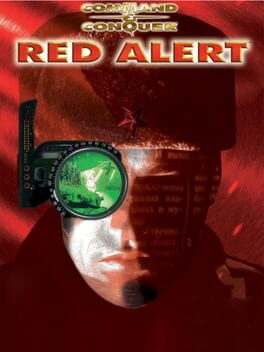
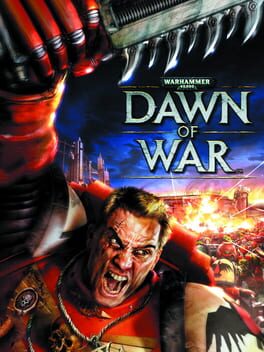
Command & Conquer: Red Alert transports players to an imagined 1950s conflict where the Soviet Union and the Allied forces battle for global domination using futuristic technology and classic military units. The game blends real‑time strategy with a compelling storyline, offering both a robust single‑player campaign and competitive multiplayer modes. Renowned for its innovative unit designs, dynamic base‑building, and iconic soundtrack, Red Alert set a benchmark for the RTS genre. Its strategic depth and replayability continue to attract both veteran strategists and newcomers to the series.
With a deep tech tree, diverse unit rosters, and dynamic terrain, Dawn of War offers a strategic experience that rewards both macro‑management and micro‑tactics. Its gritty atmosphere and faithful Warhammer lore make it a standout title for strategy enthusiasts and sci‑fi fans alike.
- Deep strategic gameplay with multiple unit types.
- Engaging alternate‑history storyline.
- Robust multiplayer support.
- Active modding community.
- Deep faction variety with distinct playstyles
- Highly detailed Warhammer 40K lore integration
- Destructible environments add tactical depth
- Strong community mod support
- Outdated graphics by modern standards.
- Limited AI difficulty options.
- Multiplayer matchmaking can be unstable.
- Steep learning curve for newcomers
- AI can be inconsistent in higher difficulties
- Limited post‑launch updates
More alternatives & similar tools
Alternatives to Command & Conquer: Red Alert
View all →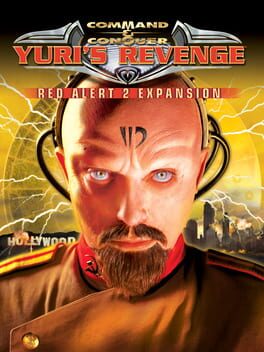
Command the battlefield with mind‑bending tech in Yuri’s Revenge.
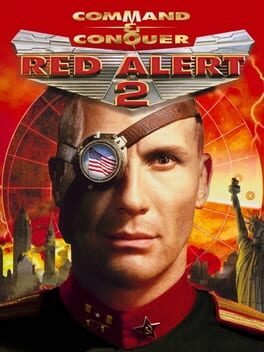
Classic Cold War RTS with over-the-top factions and explosive battles
Alternatives to Warhammer 40,000: Dawn of War
View all →
Epic sci‑fi RTS where factions battle for Tiberium dominance.
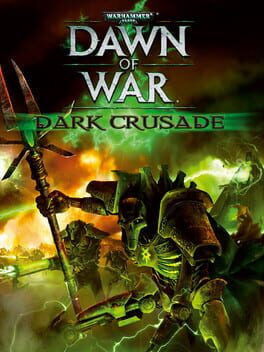
Epic sci‑fi RTS expansion with massive battles and deep strategy.
The Verdict
AI-generated from listing dataWarhammer 40,000: Dawn of War offers newer graphics and more stable multiplayer at a higher price, while Command & Conquer: Red Alert gives classic RTS charm, lower cost, and a larger legacy mod scene.
Key differences
- •Story setting: alternate‑history Cold War vs. grimdark Warhammer 40K lore.
- •Faction count: two sides (Allies/Soviets) vs. four distinct factions with unique playstyles.
- •Graphics era: 1996 visuals are dated compared to 2004’s more modern graphics.
- •Multiplayer reliability: Red Alert’s matchmaking can be unstable; Dawn of War’s is not noted as problematic.
- •Learning curve: Red Alert is generally easier for newcomers; Dawn of War is steeper.
Pricing & value
Red Alert costs $49.99, $10 less than Dawn of War’s $59.99, offering better upfront value.
Gameplay & fun factor
Both deliver deep RTS experiences; Red Alert focuses on base‑building and super‑weapons, Dawn on faction diversity and hero upgrades.
Multiplayer / co‑op
Both support up to 8 players, but Dawn of War lacks reported matchmaking issues that affect Red Alert.
Content & replayability
Red Alert benefits from an extensive, long‑standing mod community with custom maps and scenarios.
Difficulty & accessibility
Red Alert’s AI difficulty is limited but more approachable; Dawn of War has a steep learning curve and inconsistent AI at higher levels.
Graphics & performance
Dawn of War (2004) provides newer, more detailed graphics compared with Red Alert’s outdated 1996 visuals.
Platform availability
Platform details are not specified for either title.
Choose Command & Conquer: Red Alert if…
Buyers seeking a classic, lower‑cost RTS with strong mod support and an easier entry point.
Choose Warhammer 40,000: Dawn of War if…
Buyers wanting richer faction variety, better graphics, and more reliable multiplayer, especially Warhammer fans.
Common questions
Which game is cheaper?
Command & Conquer: Red Alert is $49.99; Warhammer 40,000: Dawn of War is $59.99.
Which title has superior graphics?
Dawn of War, released in 2004, offers newer, more detailed graphics than Red Alert’s 1996 visuals.
Which game provides more stable multiplayer?
Dawn of War’s multiplayer has no reported instability, whereas Red Alert’s matchmaking can be unstable.