


Command & Conquer (1995) vs Warhammer 40,000: Dawn of War
Side-by-side comparison of features, pricing, ratings, and alternatives.
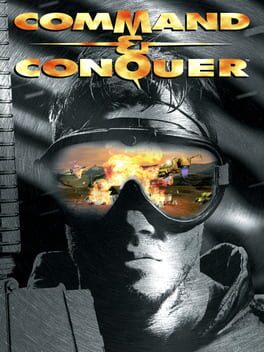
Command & Conquer is a pioneering real-time strategy game that blends futuristic warfare with deep resource management. Players command one of several factions, building bases, gathering resources, and leading armies to victory. The game offers both a compelling single-player campaign and robust multiplayer battles, delivering endless replayability across PlayStation 3, PC, and Mac platforms.
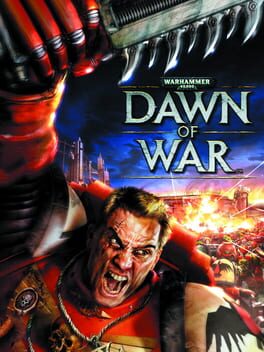
With a deep tech tree, diverse unit rosters, and dynamic terrain, Dawn of War offers a strategic experience that rewards both macro‑management and micro‑tactics. Its gritty atmosphere and faithful Warhammer lore make it a standout title for strategy enthusiasts and sci‑fi fans alike.
- Deep strategic depth with multiple factions
- Iconic soundtrack and cinematic presentation
- Robust multiplayer support
- Extensive modding community
- Deep faction variety with distinct playstyles
- Highly detailed Warhammer 40K lore integration
- Destructible environments add tactical depth
- Strong community mod support
- Outdated graphics by modern standards
- Steep learning curve for new players
- Limited AI difficulty options
- Steep learning curve for newcomers
- AI can be inconsistent in higher difficulties
- Limited post‑launch updates
More alternatives & similar tools
Alternatives to Command & Conquer (1995)
View all →
Classic RTS action with covert missions and strategic depth
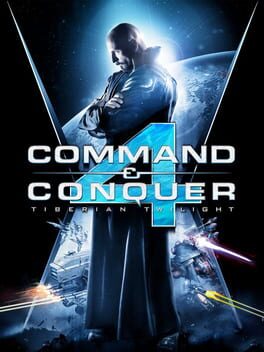
The final chapter of the Tiberium saga blends classic RTS with modern twists.
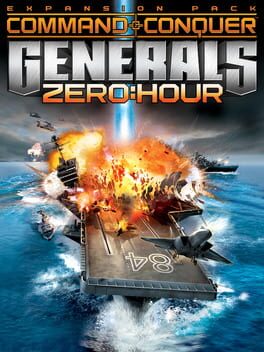
Intense real‑time strategy battles with three powerful factions.
Alternatives to Warhammer 40,000: Dawn of War
View all →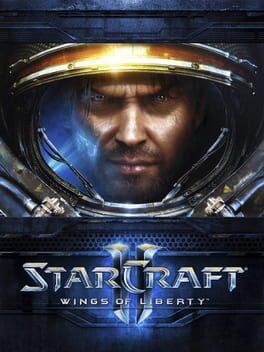
Epic sci‑fi RTS where Terran heroes battle the Zerg and Protoss
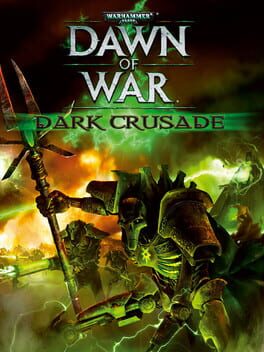
Epic sci‑fi RTS expansion with massive battles and deep strategy.
The Verdict
AI-generated from listing dataBoth are classic RTS titles with deep strategy, but Command & Conquer offers broader faction variety and a larger mod community, while Dawn of War adds destructible terrain and stronger Warhammer lore.
Key differences
- •Command & Conquer features a dual-resource system (Tiberium and credits); Dawn of War uses a single resource model.
- •Dawn of War includes destructible terrain that impacts tactics; Command & Conquer does not.
- •Command & Conquer’s modding community is described as extensive; Dawn of War’s community support is noted as strong but less emphasized.
- •Release dates differ: 1995 for Command & Conquer vs 2004 for Dawn of War, affecting graphics and engine age.
Gameplay & fun factor
Both provide deep RTS mechanics with unique faction abilities and strategic depth.
Platform availability
Both are listed as PC titles with no differing platform information.
Price & value
Command & Conquer costs $49.99 versus Dawn of War at $59.99, offering lower upfront cost.
Multiplayer / co‑op
Both support up to eight players in competitive multiplayer with customizable maps.
Content & replayability
Command & Conquer has an extensive modding community and multiple factions, enhancing replay value.
Difficulty & accessibility
Both have steep learning curves, but Dawn of War’s AI is noted as inconsistent, potentially harder for newcomers.
Graphics & performance
Dawn of War (2004) has newer graphics than Command & Conquer (1995), which is described as outdated.
Choose Command & Conquer (1995) if…
RTS fans who value many factions, deep mod support, and lower price.
Choose Warhammer 40,000: Dawn of War if…
Players seeking Warhammer lore, destructible environments, and slightly newer graphics.
Common questions
Which game is cheaper?
Command & Conquer costs $49.99; Dawn of War costs $59.99.
Do both support eight‑player multiplayer?
Yes, each title supports up to eight players in competitive matches.
Is there a notable graphics difference?
Dawn of War (2004) has newer graphics; Command & Conquer (1995) is described as outdated.