


Dragon Quest II: Luminaries of the Legendary Line vs Fire Emblem: Shadow Dragon
Side-by-side comparison of features, pricing, ratings, and alternatives.
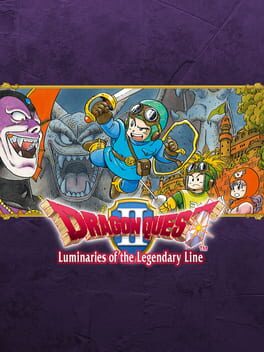
Dragon Quest II: Luminaries of the Legendary Line is a landmark fantasy role-playing game that revolutionized the series by introducing party-based mechanics. Players guide multiple heroes across a vast world to explore dungeons, search treasure chests, trade with villagers, and equip powerful weapons and armor. Originally developed by Matrix Software and published by Square Enix, this installment enhances tactical combat through strategic spellcasting and party management. Experience the legendary journey across modern platforms including PlayStation 4, Android, iOS, and Nintendo Switch.
Fire Emblem: Shadow Dragon is a faithful remake of the Famicom classic that brings tactical role-playing depth to the Nintendo DS. Players assume the role of Prince Marth as he embarks on an epic quest to reclaim his homeland of Altea and defeat the evil Shadow Dragon, Medeus. The game introduces refined mechanics, including the ability to reclass units into entirely different character classes to drastically alter your tactical approach on the battlefield. With unforgiving permadeath and deep strategic gameplay, it serves as a defining entry for both veterans and newcomers to the tactical RPG genre.
- First game in the series to introduce party-based mechanics
- Available across multiple modern platforms including mobile and consoles
- Engaging exploration with treasure hunting and villager interactions
- Deep tactical options through diverse weapon equipping and spellcasting
- Faithful and polished remake of the NES original
- Introduction of the flexible character reclassing system
- Deep, rewarding tactical turn-based combat mechanics
- Engaging fantasy storyline with iconic series characters
- Dated game mechanics compared to modern role-playing releases
- Challenging difficulty curve typical of classic 1980s design
- Minimal visual enhancements over earlier legacy versions
- Presentation and graphics feel dated compared to later entries
- Permadeath can be overly punishing for genre newcomers
- Multiplayer features are limited by platform constraints
More alternatives & similar tools
Alternatives to Dragon Quest II: Luminaries of the Legendary Line
View all →
Embark on an epic fantasy adventure across two parallel worlds in this classic RPG.
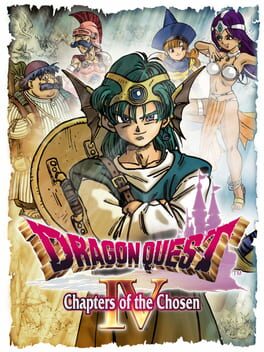
Embark on an epic chapter-driven fantasy journey to save a cursed world.
Embark on an epic open-world fantasy journey to defeat the archfiend Baramos and save the world.
Alternatives to Fire Emblem: Shadow Dragon
View all →
Lead Marth and your army to save Akaneia in this classic tactical RPG.
A broadcast tactical RPG exploring pivotal prequel events in the Archanea universe.
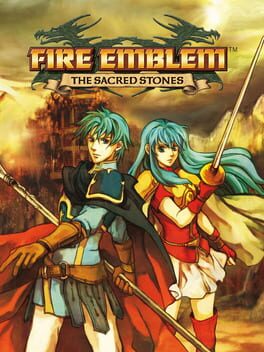
Lead young royals through tactical battles in a war-torn continent.
The Verdict
AI-generated from listing dataFire Emblem: Shadow Dragon offers deeper tactical combat and multiplayer at a higher price, while Dragon Quest II provides a cheap classic JRPG experience with simpler mechanics.
Key differences
- •Fire Emblem features grid‑based tactical battles and permadeath; Dragon Quest uses traditional party‑based turn‑based combat.
- •Fire Emblem supports multiplayer; Dragon Quest is single‑player only.
- •Price: Fire Emblem $34.99 vs Dragon Quest $4.99.
- •Critic reception: Fire Emblem scored 83/100; Dragon Quest listed with a 0/100 score.
- •Release era: Fire Emblem (2008) is newer than Dragon Quest (2005) and has more modern platform support.
Gameplay & fun factor
Fire Emblem offers deep tactical grid combat and reclassing, whereas Dragon Quest uses simpler party battles.
Platform availability
Dragon Quest is available on multiple modern platforms including mobile; Fire Emblem is limited to its original console.
Price & value
Dragon Quest costs $4.99, far cheaper than Fire Emblem’s $34.99, offering better budget value.
Multiplayer / co‑op
Fire Emblem includes wireless multiplayer; Dragon Quest is single‑player only.
Content & replayability
Fire Emblem’s permadeath and reclassing increase replay value; Dragon Quest has limited replay hooks.
Difficulty & accessibility
Fire Emblem’s permadeath can be punishing for newcomers; Dragon Quest’s classic difficulty may suit retro fans but is steep.
Graphics & performance
Fire Emblem (2008) has newer graphics than Dragon Quest’s 1980s‑style visuals, though both are dated by modern standards.
Choose Dragon Quest II: Luminaries of the Legendary Line if…
Budget‑focused players seeking a classic JRPG experience with simple party combat.
Choose Fire Emblem: Shadow Dragon if…
Tactical RPG fans who want deep strategy, multiplayer, and don’t mind a higher price.
Common questions
Which game is cheaper?
Dragon Quest II costs $4.99, while Fire Emblem: Shadow Dragon costs $34.99.
Do either games support multiplayer?
Only Fire Emblem: Shadow Dragon includes wireless multiplayer; Dragon Quest II is single‑player only.
Which game has better critical reception?
Fire Emblem: Shadow Dragon received a critic score of 83/100; Dragon Quest II is listed with a 0/100 score.