


Dragon Quest III: The Seeds of Salvation vs Fire Emblem: Shadow Dragon
Side-by-side comparison of features, pricing, ratings, and alternatives.
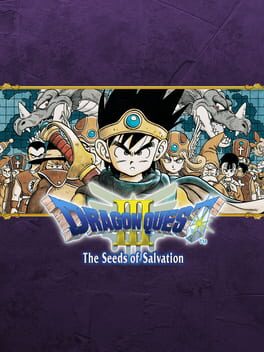
Dragon Quest III: The Seeds of Salvation is a legendary console role-playing game that expands significantly upon its predecessors with an open-world setting and robust class system. Players create a customizable party of adventurers at the local tavern, journey across a world mirroring reality, and engage in classic turn-based combat. The adventure spans multiple continents and introduces groundbreaking features such as a day/night cycle, a monster arena for betting, and the ability to change character classes mid-journey at the temple of Dhama. Ultimately, heroes must uncover the dark world of Alefgard to confront the true mastermind, Zoma, and earn the title of Erdrick.
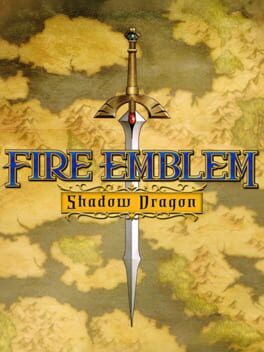
Fire Emblem: Shadow Dragon is a faithful remake of the Famicom classic that brings tactical role-playing depth to the Nintendo DS. Players assume the role of Prince Marth as he embarks on an epic quest to reclaim his homeland of Altea and defeat the evil Shadow Dragon, Medeus. The game introduces refined mechanics, including the ability to reclass units into entirely different character classes to drastically alter your tactical approach on the battlefield. With unforgiving permadeath and deep strategic gameplay, it serves as a defining entry for both veterans and newcomers to the tactical RPG genre.
- Engaging class system with mid-game changes
- Expansive open world with day/night cycle
- Memorable turn-based combat mechanics
- Rich fantasy storyline leading to Alefgard
- Faithful and polished remake of the NES original
- Introduction of the flexible character reclassing system
- Deep, rewarding tactical turn-based combat mechanics
- Engaging fantasy storyline with iconic series characters
- Dated critic score metrics
- Encounter rates can feel repetitive
- Limited modern quality-of-life updates in older ports
- Presentation and graphics feel dated compared to later entries
- Permadeath can be overly punishing for genre newcomers
- Multiplayer features are limited by platform constraints
More alternatives & similar tools
Alternatives to Dragon Quest III: The Seeds of Salvation
View all →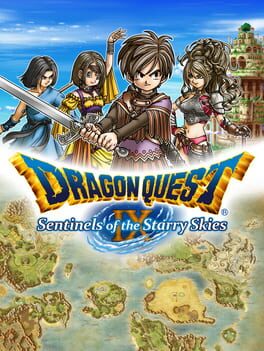
Embark on an epic fantasy adventure as a celestial guardian retrieving sacred tree fruits.
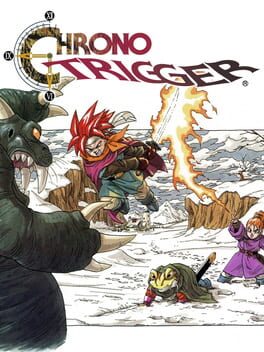
Travel through time to save the world from an ancient destructive force in this classic JRPG.
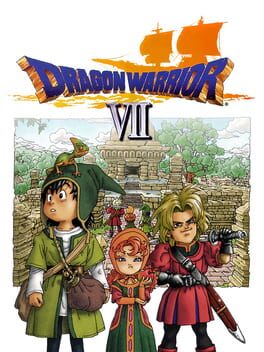
Uncover the secrets of isolated Estard and restore the world's lost past through ancient ruins.
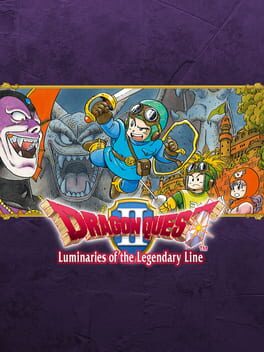
Embark on a classic fantasy RPG adventure with multiple party members.
Alternatives to Fire Emblem: Shadow Dragon
View all →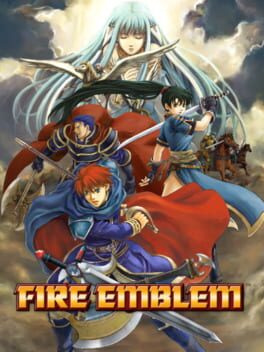
Lead Marth and your army to save Akaneia in this classic tactical RPG.
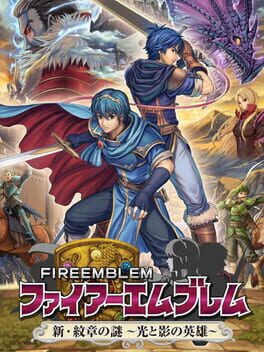
A broadcast tactical RPG exploring pivotal prequel events in the Archanea universe.
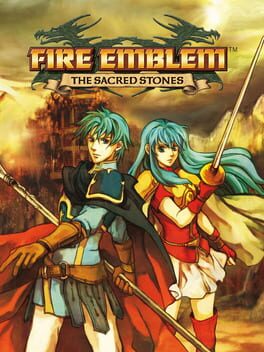
Lead young royals through tactical battles in a war-torn continent.
The Verdict
AI-generated from listing dataFire Emblem: Shadow Dragon offers tighter tactical combat and multiplayer, while Dragon Quest III provides a larger open world and classic JRPG experience.
Key differences
- •Combat style: grid‑based tactical vs. traditional turn‑based JRPG battles.
- •Multiplayer: Fire Emblem includes multiplayer mode; Dragon Quest III is single‑player only.
- •World size: Dragon Quest III features an expansive open world with day/night cycle; Fire Emblem focuses on linear campaign maps.
- •Difficulty: Fire Emblem’s permanent death is more punishing for newcomers.
- •Critical reception: Fire Emblem has a documented 83/100 score; Dragon Quest III lists 0/100.
Gameplay & fun factor
Fire Emblem’s grid‑based tactical system and reclassing provide deeper strategic depth than Dragon Quest III’s classic turn‑based combat.
Platform availability
No platform information is provided for either title.
Price & value
Both are one‑time paid games; no price differences are specified beyond Fire Emblem’s $34.99 MSRP.
Multiplayer / co‑op
Fire Emblem includes both single‑player and multiplayer modes; Dragon Quest III is single‑player only.
Content & replayability
Dragon Quest III offers a vast open world, day/night cycle, ship travel, and class changes, increasing replay value.
Difficulty & accessibility
Fire Emblem’s permanent death system is more challenging, which may deter newcomers.
Graphics & performance
Fire Emblem’s graphics are noted as dated; Dragon Quest III’s graphics are not specified.
Choose Dragon Quest III: The Seeds of Salvation if…
Players who prefer a larger open world, classic JRPG storytelling, and single‑player focus.
Choose Fire Emblem: Shadow Dragon if…
Players who crave deep tactical battles, multiplayer skirmishes, and don’t mind higher difficulty.
Common questions
Which game has better critical reception?
Fire Emblem: Shadow Dragon has a critic score of 83/100; Dragon Quest III lists a score of 0/100.
Can I play with friends?
Only Fire Emblem: Shadow Dragon offers multiplayer; Dragon Quest III is single‑player only.
Is permanent death a factor?
Fire Emblem includes permanent death, making it more punishing; Dragon Quest III does not mention this mechanic.