


Dragon Quest vs Fire Emblem: Shadow Dragon
Side-by-side comparison of features, pricing, ratings, and alternatives.
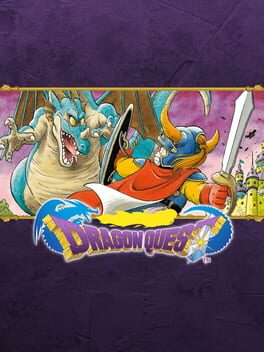
Step into the shoes of a namable Hero descended from the legendary Erdrick in this foundational role-playing adventure. Travel across the overworld map and explore perilous dungeons of Alefgard, engaging in turn-based battles against wandering monsters to gain experience and gold. Fulfilling a historic prophecy, journey forth to vanquish the evil Dragonlord who stole the Balls of Light and abducted Princess Gwaelin. Level up your abilities, purchase powerful weapons and armor, and restore peace to the kingdom in this timeless fantasy epic.
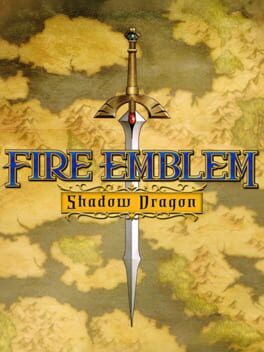
Fire Emblem: Shadow Dragon is a faithful remake of the Famicom classic that brings tactical role-playing depth to the Nintendo DS. Players assume the role of Prince Marth as he embarks on an epic quest to reclaim his homeland of Altea and defeat the evil Shadow Dragon, Medeus. The game introduces refined mechanics, including the ability to reclass units into entirely different character classes to drastically alter your tactical approach on the battlefield. With unforgiving permadeath and deep strategic gameplay, it serves as a defining entry for both veterans and newcomers to the tactical RPG genre.
- Faithful recreation of a foundational role-playing classic
- Engaging turn-based tactical combat system
- Meaningful character progression tied to stat growth
- Available across multiple modern platforms
- Faithful and polished remake of the NES original
- Introduction of the flexible character reclassing system
- Deep, rewarding tactical turn-based combat mechanics
- Engaging fantasy storyline with iconic series characters
- High encounter rate of random battles can feel repetitive
- Dated mechanics compared to modern entries in the genre
- Grinding for experience and gold is frequently required
- Presentation and graphics feel dated compared to later entries
- Permadeath can be overly punishing for genre newcomers
- Multiplayer features are limited by platform constraints
More alternatives & similar tools
Alternatives to Dragon Quest
View all →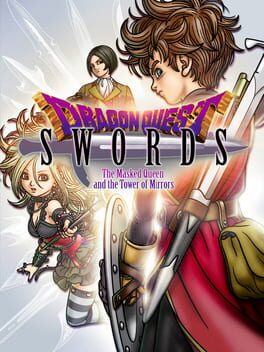
Slash and parry your way through an epic motion-controlled adventure on the Wii.
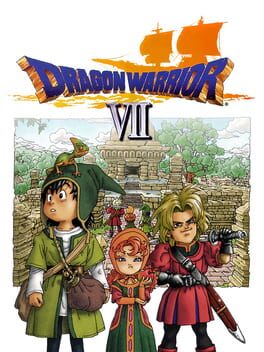
Uncover the secrets of isolated Estard and restore the world's lost past through ancient ruins.
Embark on a classic 2D‑top‑down quest with real‑time 3D dungeons.
Embark on a classic fantasy RPG adventure with multiple party members.
Alternatives to Fire Emblem: Shadow Dragon
View all →
Lead Marth and your army to save Akaneia in this classic tactical RPG.
A broadcast tactical RPG exploring pivotal prequel events in the Archanea universe.
Lead young royals through tactical battles in a war-torn continent.
The Verdict
AI-generated from listing dataFire Emblem: Shadow Dragon offers deep tactical combat with permadeath and multiplayer, while Dragon Quest provides a classic open‑world RPG experience with broader platform support.
Key differences
- •Combat style: grid‑based tactical battles (A) vs random encounter turn‑based fights (B).
- •Multiplayer: A includes wireless multiplayer; B is single‑player only.
- •Platform reach: B is released on multiple modern platforms; A is limited to its original hardware.
- •Replay hooks: A features flexible reclassing and permadeath; B relies on grinding and a large overworld.
- •Target audience difficulty: A’s permanent death can be harsh for newcomers; B’s high random‑battle rate can feel repetitive.
Gameplay & fun factor
A’s grid‑based tactical system and reclassing provide deeper strategic play than B’s straightforward random battles.
Platform availability
B is noted as available across multiple modern platforms, while A’s release is tied to its 2008 hardware.
Price & value
A’s MSRP is $34.99; B’s price is not specified, so value cannot be directly compared.
Multiplayer / co‑op
A supports both single‑player and wireless multiplayer; B is single‑player only.
Content & replayability
A’s flexible reclassing and permanent death encourage multiple playthroughs; B relies mainly on grinding.
Difficulty & accessibility
A’s permadeath is punishing for newcomers, while B’s difficulty stems from high encounter rates but lacks permadeath.
Graphics & performance
Both titles are described as having dated graphics compared to newer entries; no clear advantage.
Choose Dragon Quest if…
Players seeking a classic, story‑driven RPG with broad platform options and single‑player focus.
Choose Fire Emblem: Shadow Dragon if…
Fans who want deep tactical battles, character customization, and multiplayer on a single system.
Common questions
Which game supports playing with friends?
Fire Emblem: Shadow Dragon includes wireless multiplayer; Dragon Quest is single‑player only.
Is the combat in either game more strategic?
Yes, Fire Emblem’s grid‑based tactical system offers more strategic depth than Dragon Quest’s random encounter battles.
What is the known price for each game?
Fire Emblem: Shadow Dragon retails for $34.99; Dragon Quest’s price is not specified in the provided data.