


Fallout: A Post Nuclear Role Playing Game vs Might and Magic VII: For Blood and Honor
Side-by-side comparison of features, pricing, ratings, and alternatives.
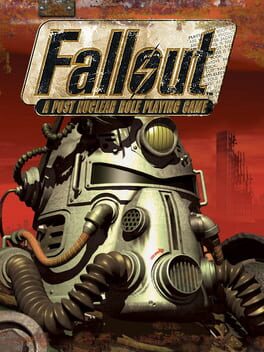
Set in an alternate 1990s America after nuclear war, Fallout lets you wander a vast open world, make moral choices, and survive against mutated creatures. With deep character customization, turn‑based combat, and a richly written story, it defined the post‑apocalyptic RPG genre.
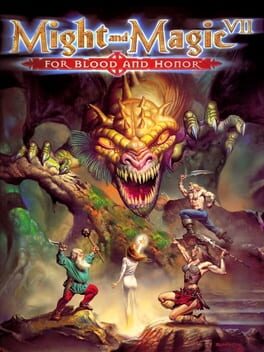
Might and Magic VII: For Blood and Honor is an open‑world classic CRPG that lets you switch between real‑time and turn‑based combat, offering a rich fantasy setting on the continent of Antagarich. Build a party of four, choose from four races and nine base classes, then promote them through a complex hierarchy to reach one of 18 end‑game classes. The game features a compelling political storyline, memorable locations, a soundtrack, and the addictive Arcomage card mini‑game, delivering over a hundred hours of adventure for single‑player fans of deep role‑playing experiences.
- Rich, branching storyline
- Deep character customization
- Atmospheric retro graphics
- High replay value
- Rich class promotion system with 36 variations
- Open world exploration with diverse locations
- Both real‑time and turn‑based combat options
- Includes the popular Arcomage card mini‑game
- Dated user interface
- Occasional combat balance issues
- Limited save‑system flexibility
- Aging graphics may feel dated to modern players
- Combat can be unforgiving for newcomers
- Limited UI modernization and quality‑of‑life features
More alternatives & similar tools
Alternatives to Fallout: A Post Nuclear Role Playing Game
View all →
A groundbreaking sci‑fi horror RPG that blends shooter action with deep role‑playing mechanics.

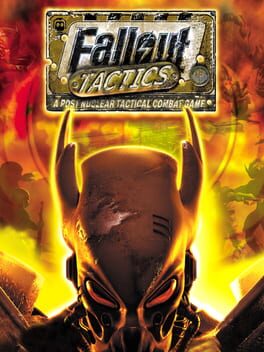
Turn‑based tactical combat meets the post‑apocalyptic Fallout universe.
Alternatives to Might and Magic VII: For Blood and Honor
View all →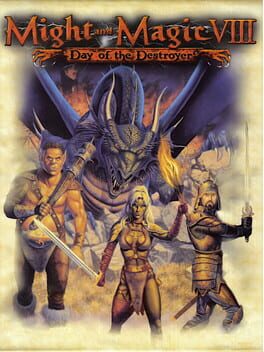
Save the world from elemental gates and the Destroyer in a classic RPG adventure.
The Verdict
AI-generated from listing dataFallout offers deeper story and character customization with higher critic scores, while Might and Magic gives flexible combat modes and more class variety.
Key differences
- •Combat system: Fallout is strictly turn‑based; Might and Magic lets you switch between turn‑based and real‑time.
- •Class system: Fallout uses S.P.E.C.I.A.L. attributes and perks; Might and Magic provides 36 class promotions.
- •Narrative impact: Fallout’s dialogue choices affect faction reputation and multiple endings; Might and Magic’s choices affect Light/Dark alignment but fewer branching outcomes.
- •Critic reception: Fallout scored 85/100 versus Might and Magic’s 80/100.
- •Additional content: Might and Magic includes the Arcomage card mini‑game, which Fallout lacks.
Gameplay & fun factor
Might and Magic offers both real‑time and turn‑based combat plus a mini‑game, increasing playstyle flexibility.
Platform availability
Both are single‑player PC titles from the late 1990s; no platform differences are specified.
Price & value
Both have the same MSRP of $49.99; value depends on preferred features.
Multiplayer / co‑op
Both are single‑player only.
Content & replayability
Fallout’s multiple endings, faction reputation system, and robust perk tree give higher replay value.
Difficulty & accessibility
Fallout’s turn‑based system is generally more approachable than Might and Magic’s unforgiving combat for newcomers.
Graphics & performance
Both are noted as having dated graphics; no specific performance data differentiates them.
Choose Fallout: A Post Nuclear Role Playing Game if…
Players who prioritize story depth, character customization, and higher critical acclaim.
Choose Might and Magic VII: For Blood and Honor if…
Players who want combat mode choice and extensive class variety, plus a mini‑game.
Common questions
Do either of these games support modern operating systems?
Not specified in the provided facts.
Which game has a higher critic rating?
Fallout has a critic score of 85/100, higher than Might and Magic's 80/100.
Is there any multiplayer component?
Both are single‑player only.