


Gradius ReBirth vs Sonic Colors
Side-by-side comparison of features, pricing, ratings, and alternatives.
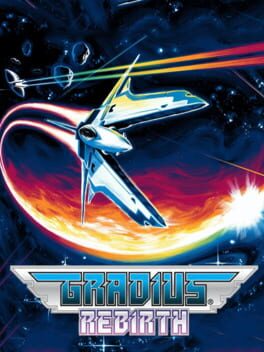
Gradius ReBirth is a classic side-scrolling shoot 'em up developed by M2 and published by Konami. Released as part of the WiiWare service, it serves as a nostalgic homage to the legendary Gradius franchise, featuring iconic gameplay mechanics, power-up management, and relentless waves of alien adversaries. Players pilot the Vic Viper through treacherous stages filled with obstacles and massive boss encounters, utilizing the signature customizable power-up gauge. With an evocative chiptune soundtrack and challenging difficulty, the game captures the essence of the arcade era while introducing remixed stages and tracks from across the series' history.
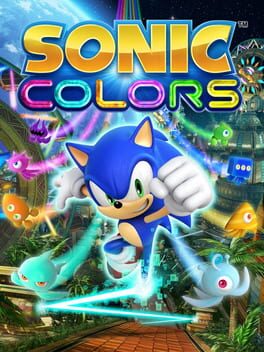
Sonic Colors is a platforming adventure starring Sonic the Hedgehog as he battles Dr. Eggman in an intergalactic amusement park. The game blends 3D third‑person runs with side‑scrolling sections and introduces Wisps, alien power‑ups that grant new abilities. Released worldwide for Wii and Nintendo DS in November 2010, the title offers both single‑player and multiplayer modes, appealing to younger gamers and families with its colorful visuals and accessible difficulty.
- Faithful recreation of the classic Gradius feel
- Fantastic retro chiptune soundtrack
- Engaging and challenging boss encounters
- Well-designed stages with great pacing
- Vibrant, eye‑catching visuals
- Innovative Wisp power‑up system
- Blend of 3D and side‑scrolling gameplay
- Family‑friendly difficulty curve
- Very high difficulty may deter casual players
- Limited to single-player gameplay without co-op
- Short overall length typical of arcade games
- Limited platform availability (Wii/DS only)
- Some level designs feel repetitive
- Multiplayer options are basic
More alternatives & similar tools
Alternatives to Gradius ReBirth
View all →
Pilot the Vic Viper through relentless waves of alien terror in this legendary arcade shooter.
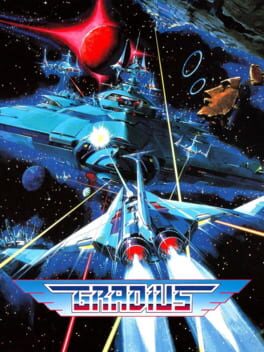
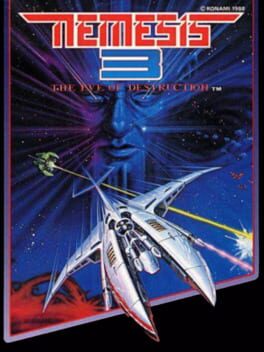
Konami's classic 1988 sci-fi arcade shooter masterpiece returns for high-octane action.
Alternatives to Sonic Colors
View all →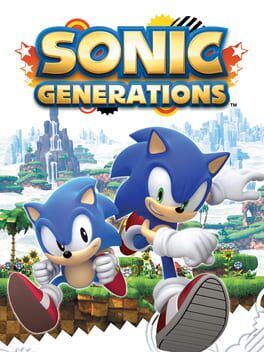


The Verdict
AI-generated from listing dataSonic Colors offers family‑friendly 3D platforming with vibrant visuals at a higher price, while Gradius ReBirth delivers a challenging retro shooter at a low cost.
Key differences
- •Genre: platformer vs side‑scrolling shooter
- •Target audience: kids/family vs retro arcade enthusiasts
- •Price: $59.99 vs $10.00
- •Multiplayer: includes multiplayer mini‑games vs single‑player only
- •Difficulty: moderate, accessible vs very high arcade difficulty
Gameplay & fun factor
Sonic Colors blends 3D and side‑scrolling with power‑up Wisps, appealing to a broader age range.
Platform availability
Gradius ReBirth is not limited to Wii/DS; platform not specified, implying broader modern availability.
Price & value
Gradius ReBirth costs $10 versus Sonic Colors $59.99, offering more value per dollar.
Multiplayer / co-op
Sonic Colors includes multiplayer mini‑games; Gradius ReBirth is single‑player only.
Content & replayability
Sonic Colors features both story mode and multiplayer, whereas Gradius ReBirth is a short arcade experience.
Difficulty & accessibility
Sonic Colors has a family‑friendly difficulty curve; Gradius ReBirth is very high difficulty, deterring casual players.
Graphics & performance
Sonic Colors offers vibrant, colorful 3D environments; Gradius ReBirth uses pixel‑art retro graphics.
Choose Gradius ReBirth if…
Retro shooter fans who want a cheap, challenging arcade experience.
Choose Sonic Colors if…
Families with children or players seeking a colorful, accessible platformer.
Common questions
Which game offers better multiplayer options?
Sonic Colors includes multiplayer mini‑games; Gradius ReBirth is single‑player only.
Is the higher price of Sonic Colors justified?
At $59.99 it provides a full 3D platformer, family‑friendly difficulty, and multiplayer, whereas Gradius ReBirth is $10 with limited content.
Will a casual player enjoy Gradius ReBirth?
Gradius ReBirth has very high arcade difficulty, which may deter casual players.