


Guitar Hero II vs Rocksmith
Side-by-side comparison of features, pricing, ratings, and alternatives.
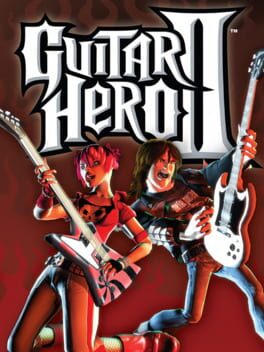
Guitar Hero II lets you unleash your inner rock star by unlocking new songs and venues as you progress through Career mode. Play any unlocked track in Quickplay or challenge friends in Multiplayer, Co‑operative, or split‑screen modes for endless party fun.
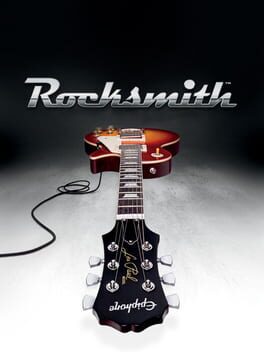
Rocksmith transforms your real instrument into a game controller, delivering a visually intuitive way to play and learn music. Its innovative design engages both seasoned musicians and complete beginners, making practice feel like a fun challenge. The game offers a vast library of songs and real-time feedback, helping players develop technique and timing while enjoying the music they love.
- Extensive song library with unlockable tracks
- Engaging multiplayer modes for parties
- High critical acclaim with 92/100 score
- Cross‑platform availability on Xbox 360 and PS2
- Authentic instrument integration
- Extensive song catalog
- Real‑time feedback accelerates learning
- Supports both solo and multiplayer play
- Requires a compatible guitar controller for full experience
- Limited to older console hardware
- No online multiplayer support
- Requires compatible guitar/bass cable
- Limited to older console generations
- Learning curve can be steep for absolute beginners
More alternatives & similar tools
Alternatives to Guitar Hero II
View all →
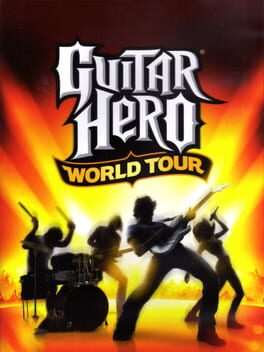
Play the full band experience with guitar, bass, drums, and vocals in one game

Rock out with Van Halen’s greatest hits and guest tracks in a party‑style rhythm game.
Alternatives to Rocksmith
View all →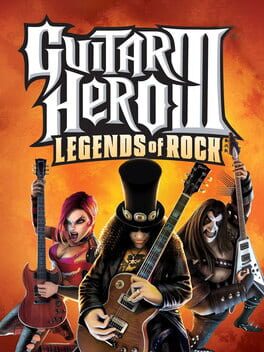
Rock out with epic tracks and battle mode in Guitar Hero III.

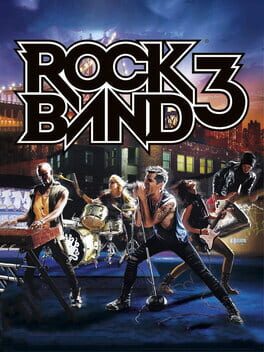
Play the Beatles' greatest hits with guitars, drums, and mic in a band‑focused Rock Band experience.
The Verdict
AI-generated from listing dataGuitar Hero II offers classic arcade‑style rock fun with split‑screen party play, while Rocksmith provides a realistic learning experience using any real guitar or bass.
Key differences
- •Guitar Hero II uses a dedicated guitar controller; Rocksmith works with any electric guitar/bass via USB cable
- •Guitar Hero II includes split‑screen co‑op and competitive multiplayer; Rocksmith only offers single‑player and standard multiplayer
- •Rocksmith focuses on education with tuner, metronome, and practice tools; Guitar Hero II is pure rhythm gameplay
- •Song libraries differ: Guitar Hero II’s setlist is rock‑classic focused, Rocksmith has a broader genre catalog
- •Critical reception: Guitar Hero II scored 92/100 versus Rocksmith’s 81/100
Gameplay & fun factor
Guitar Hero II delivers fast‑paced, arcade‑style play praised with a 92/100 critic score, emphasizing immediate fun.
Platform availability
Both games run on Xbox 360; Guitar Hero II also on PS2, Rocksmith additionally on PC.
Price & value
Both priced at $59.99, offering comparable cost.
Multiplayer / co‑op
Guitar Hero II supports split‑screen co‑op and competitive multiplayer; Rocksmith lacks co‑op.
Content & replayability
Rocksmith’s larger, genre‑spanning catalog and unlock‑as‑you‑play progression give longer replay value.
Difficulty & accessibility
Rocksmith’s practice tools, loop/slow‑down functions aid learning, though it has a steeper learning curve for beginners.
Graphics & performance
No graphics or performance data provided for either title.
Choose Guitar Hero II if…
Party hosts or casual rhythm gamers who want instant, competitive fun without needing a real instrument.
Choose Rocksmith if…
Aspiring musicians who want to learn guitar or bass using their own instrument with detailed feedback.
Common questions
Do I need a special controller for either game?
Guitar Hero II requires a compatible guitar controller; Rocksmith works with any electric guitar or bass via a USB cable.
Can I play with friends locally?
Yes, Guitar Hero II offers split‑screen co‑op and competitive modes; Rocksmith only supports standard multiplayer, no co‑op.
Which game has better critical reception?
Guitar Hero II received a 92/100 critic score, higher than Rocksmith’s 81/100.