


Halo 4 vs Quake 4
Side-by-side comparison of features, pricing, ratings, and alternatives.

Halo 4 continues Master Chief’s saga with a gripping single‑player campaign that blends epic storytelling and breathtaking visuals. Set on the mysterious Requiem, the game pushes the series forward with new enemies, weapons, and a deeper narrative. The title also delivers robust multiplayer modes, including competitive matches, co‑op missions, and classic split‑screen fun, all powered by 343 Industries’ refined engine for Xbox 360, Xbox One, and PC.
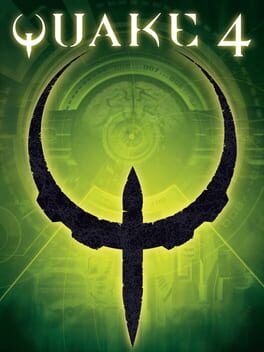
Quake 4 continues the series' legacy with a gritty, futuristic campaign that pits the player against the alien Strogg on a war‑torn planet. The single‑player story blends intense firefights with atmospheric horror elements, delivering a visceral experience for fans of the franchise. The game also offers robust multiplayer modes, supporting both classic deathmatch and objective‑based matches across PC, Linux, Mac, and Xbox 360. With its signature fast movement, diverse weapon arsenal, and dark visual style, Quake 4 remains a benchmark for hardcore action shooters.
- Stunning graphics and sound design
- Deep and engaging single‑player story
- Extensive multiplayer options
- Well‑implemented split‑screen support
- High‑octane, fast‑paced combat
- Rich weapon variety with secondary fire options
- Atmospheric sci‑fi horror setting
- Solid multiplayer modes across multiple platforms
- Limited map variety in early multiplayer
- Occasional matchmaking latency
- Campaign length shorter than previous entries
- Limited modern online matchmaking features
- Graphics dated compared to newer shooters
- Steep learning curve for movement mechanics
More alternatives & similar tools
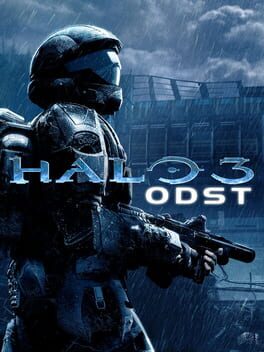
Alternatives to Halo 4
View all →

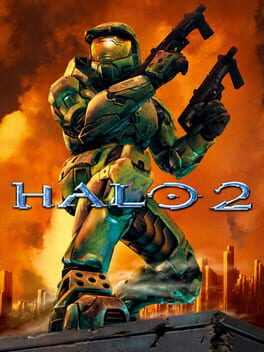
Alternatives to Quake 4
View all →


A free, horror‑filled expansion that deepens Doom 3’s dark sci‑fi nightmare
The Verdict
AI-generated from listing dataHalo 4 offers a polished, story‑driven shooter with strong split‑screen co‑op and modern multiplayer, while Quake 4 delivers faster, more hardcore combat but with older graphics and limited matchmaking.
Key differences
- •Halo 4 includes split‑screen for up to four players; Quake 4 does not.
- •Quake 4 emphasizes high‑skill movement (rocket jump, strafe‑run) absent in Halo 4.
- •Halo 4’s multiplayer has ranked playlists and robust matchmaking; Quake 4 relies on classic deathmatch modes with limited online features.
- •Graphics: Halo 4 uses dynamic lighting and high‑resolution textures; Quake 4’s visuals are dated.
- •Release era: Halo 4 (2012) is newer with more recent platform support; Quake 4 (2005) targets older consoles and PC.
Gameplay & fun factor
Quake 4’s fast‑paced combat and advanced movement appeal to players seeking high‑skill, adrenaline‑filled gameplay.
Platform availability
Quake 4 runs on Linux, PC, Mac, and Xbox 360, offering broader OS coverage than Halo 4.
Price & value
Both titles cost $59.99 one‑time, providing comparable monetary cost.
Multiplayer / co‑op
Halo 4 supports split‑screen co‑op for up to four players and ranked playlists; Quake 4 lacks split‑screen and modern matchmaking.
Content & replayability
Halo 4 offers extensive multiplayer modes, custom games, and a longer campaign ecosystem than Quake 4’s single campaign.
Difficulty & accessibility
Halo 4’s mechanics are more approachable; Quake 4’s steep movement learning curve can deter casual players.
Graphics & performance
Halo 4 features dynamic lighting and high‑resolution textures, delivering a more modern visual experience than Quake 4.
Choose Halo 4 if…
Fans who want a modern sci‑fi shooter with split‑screen co‑op and robust online multiplayer.
Choose Quake 4 if…
Players craving ultra‑fast combat, high‑skill movement, and cross‑platform PC/Mac/Linux support.
Common questions
Do either of these games support split‑screen co‑op?
Yes, Halo 4 supports split‑screen for up to four players; Quake 4 does not offer split‑screen.
Which game has more modern graphics?
Halo 4 uses dynamic lighting and high‑resolution textures, while Quake 4’s graphics are dated compared to newer shooters.
Is there a steep learning curve for movement in either game?
Quake 4 includes advanced movement like rocket jumping and strafe‑running, which presents a steep learning curve; Halo 4’s movement is more standard.