


Kirby's Return to Dream Land vs Kirby Super Star
Side-by-side comparison of features, pricing, ratings, and alternatives.
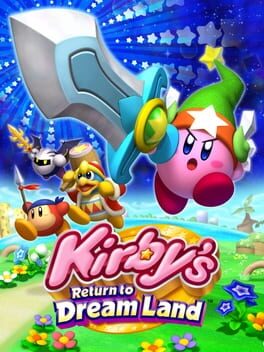
Kirby and his allies—Meta Knight, King Dedede, and Waddle Dee—team up in this vibrant platform adventure. When an alien spaceship crashes, its scattered parts must be recovered across Pop Star’s whimsical worlds.
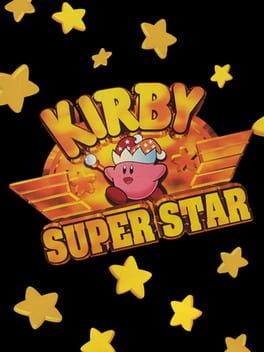
Kirby Super Star is a beloved platforming title where players guide Kirby through seven distinct game modes, each featuring unique challenges and the ability to copy enemy abilities. The game introduces helper characters that can be controlled by a second player, adding a cooperative twist to the traditional single‑player experience. Originally released in 1996, the game blends fast‑paced action, puzzle elements, and competitive mini‑games like Gourmet Race, making it a versatile choice for both solo and multiplayer fun on the Nintendo Switch.
- Four‑player local co‑op
- Varied character abilities
- Bright, family‑friendly art style
- Solid platforming mechanics
- Variety of game modes keep gameplay fresh
- Co‑op helper system adds unique multiplayer experience
- Iconic ability‑copy mechanic offers strategic depth
- Retro graphics and music appeal to nostalgic players
- Limited to local multiplayer only
- No online co‑op support
- Graphics dated by modern standards
- Limited to SNES‑era graphics, may feel dated to some
- No modern online features or updates
- Split‑screen only supports two players
More alternatives & similar tools
Alternatives to Kirby's Return to Dream Land
View all →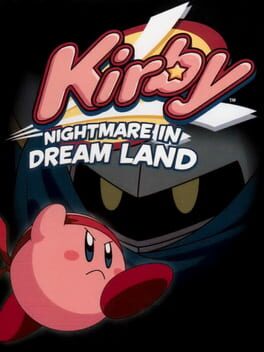
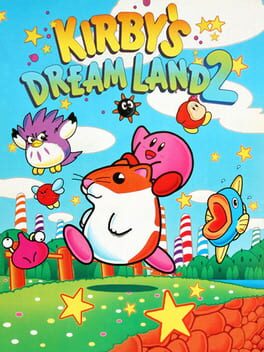
Save Dream Land by restoring the Star Rod in Kirby's classic platform adventure.
Alternatives to Kirby Super Star
View all →
A classic Kirby adventure reborn on DS with new graphics and multiplayer fun.
The Verdict
AI-generated from listing dataKirby Super Star offers classic SNES‑era variety and two‑player split‑screen co‑op at a lower price, while Kirby's Return to Dream Land provides richer four‑player local co‑op and higher critic scores but costs more.
Key differences
- •Maximum local players: 2 in Super Star vs 4 in Return to Dream Land.
- •Price: $39.99 vs $59.99.
- •Critic score: 80/100 vs 87/100.
- •Content structure: Super Star has seven distinct sub‑games and mini‑games; Return to Dream Land is a single continuous adventure.
- •Age rating: ESRB E (PEGI 3) vs ESRB E10+ (PEGI 7).
Gameplay & fun factor
Return to Dream Land’s four‑player co‑op and varied character abilities create more dynamic group fun.
Platform availability
Both are Switch ports; no other platforms listed.
Price & value
$39.99 for Super Star versus $59.99 for Return to Dream Land, a $20 difference.
Multiplayer / co‑op
Return to Dream Land supports up to four local players; Super Star only two.
Content & replayability
Super Star includes seven sub‑games, boss‑rush arena, and mini‑games, offering more distinct modes.
Difficulty & accessibility
Super Star rated ESRB E/PEGI 3, making it suitable for younger players than Return to Dream Land’s E10+/PEGI 7.
Graphics & performance
Both use preserved SNES‑era graphics; Return to Dream Land noted as dated by modern standards, same for Super Star.
Choose Kirby's Return to Dream Land if…
Best for families or groups wanting four‑player local co‑op and higher critical acclaim.
Choose Kirby Super Star if…
Ideal for budget‑conscious players seeking classic retro feel and two‑player co‑op.
Common questions
Which game supports more players locally?
Kirby’s Return to Dream Land supports up to four players; Kirby Super Star supports two.
Is the price difference significant?
Yes, Super Star costs $39.99, while Return to Dream Land costs $59.99, a $20 gap.
Which title has a higher critic rating?
Kirby’s Return to Dream Land has a critic score of 87/100, compared to 80/100 for Kirby Super Star.