



Limbo thrusts you into a stark, black‑and‑white landscape where every shadow hides a new puzzle. As a nameless boy, you must navigate treacherous environments using only your intuition and timing. The game blends minimalist storytelling with atmospheric sound design, delivering an unsettling yet captivating experience that rewards patience and observation.
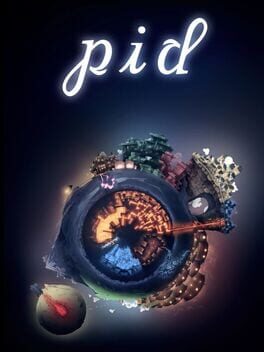
Developed by Might and Delight, Pid is a story-driven platformer that places players in the shoes of a young boy named Kurt, who finds himself stranded on a mysterious and perilous alien world. Armed with a unique gravity beam, Kurt must navigate through diverse environments like a grand castle and bustling town streets, solving intricate puzzles and overcoming robotic foes. Along his journey to uncover a massive conspiracy and find a way home, Kurt encounters various locals and experiences a critically acclaimed adventure known for its stunning artwork, wonderful presentation, and enchanting soundtrack. Whether playing solo or teaming up with friends, players must master the mechanics of light and gravity to survive this unforgettable sci-fi indie journey.
- Stunning visual style
- Engaging physics puzzles
- Atmospheric sound design
- Broad platform availability
- Stunning and memorable artistic presentation
- Enchanting and critically praised soundtrack
- Engaging mix of platforming and clever puzzles
- Support for both single-player and co-operative modes
- Limited save points can increase difficulty
- No multiplayer or replay modes
- Short overall length
- Challenging difficulty curve may frustrate casual players
- Combat encounters can occasionally feel punishing
- Lower critic score reflecting niche appeal and mechanics
More alternatives & similar tools
Alternatives to Limbo
View all →



Alternatives to Pid
View all →


The Verdict
AI-generated from listing dataLimbo offers a tighter, higher‑rated puzzle‑platform experience with striking visuals, while Pid adds co‑op and story depth at the cost of higher difficulty and lower critical reception.
Key differences
- •Multiplayer: Pid supports co‑op; Limbo is single‑player only.
- •Art style: Pid uses colorful, detailed artwork; Limbo uses minimalist black‑and‑white silhouettes.
- •Critic reception: Limbo scores 84/100, Pid 63/100.
- •Difficulty: Pid’s curve is more punishing; Limbo’s physics puzzles are challenging but less likely to frustrate casual players.
- •Platform reach: Limbo is explicitly noted as fully explorable across consoles, PC, and mobile; Pid’s platform list isn’t specified.
Gameplay & fun factor
Pid mixes platforming with a unique beam mechanic and co‑op, offering more varied play than Limbo’s pure puzzle focus.
Platform availability
Limbo is confirmed on consoles, PC, and mobile; Pid’s platform coverage is not specified.
Price & value
Both games cost $9.99, offering comparable monetary value.
Multiplayer / co‑op
Pid includes single‑player, multiplayer, and co‑op modes; Limbo is single‑player only.
Content & replayability
Pid adds story, side characters, and co‑op replay potential; Limbo is shorter with limited replay modes.
Difficulty & accessibility
Limbo’s physics puzzles are challenging but less punishing than Pid’s steep difficulty curve.
Graphics & performance
Limbo’s acclaimed monochrome art and atmospheric design received higher critical praise than Pid’s niche style.
Choose Limbo if…
Players who prefer a critically acclaimed, visually striking solo puzzle experience.
Choose Pid if…
Players who want co‑op, story depth, and a unique movement mechanic.
Common questions
Do both games support multiplayer?
Pid supports single‑player, multiplayer, and co‑op; Limbo is single‑player only.
Which game has better critical reception?
Limbo has a critic score of 84/100, while Pid scores 63/100.
Are the games priced the same?
Yes, both are priced at $9.99 as a one‑time purchase.