


Lost Eden vs Armaëth: The Lost Kingdom
Side-by-side comparison of features, pricing, ratings, and alternatives.
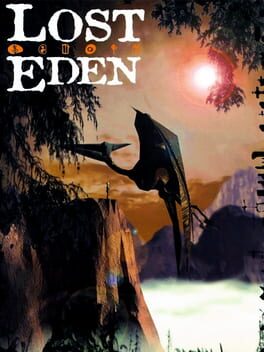
Lost Eden is an immersive adventure game set on a mysterious planet where humans and dinosaurs once lived in harmony. Players must navigate a richly detailed world to uncover ancient secrets and stop the menacing armies of Moorkus Rex from destroying their kingdom. To survive, you must uncover the legends of the five mighty Citadels built by men and dinosaurs together. With only one Citadel remaining, your quest is crucial to unite the remaining factions, build defenses, and restore peace to a world on the brink of annihilation.
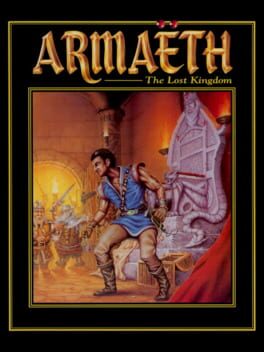
In ancient times, the dwarven kingdom Dol Armaëth was overrun by evil forces, but the wise king Armaëth managed to drive them out. After his death the darkness returned and the kingdom faded into legend. Now you join treasure hunter Killian on a solitary quest to uncover the lost kingdom’s secrets, solving puzzles and uncovering the story of a once‑great realm.
- Engaging prehistoric fantasy setting
- Unique human and dinosaur cooperative lore
- Atmospheric point-and-click gameplay
- Memorable antagonist and conflict
- Rich fantasy narrative
- Challenging puzzles
- Atmospheric pixel‑art visuals
- Multiple endings increase replay value
- Dated graphics by modern standards
- Limited platform availability
- Niche appeal for modern audiences
- Dated interface may feel clunky to modern players
- Limited save system
- Sparse documentation for obscure puzzles
More alternatives & similar tools
Alternatives to Lost Eden
View all →Explore a forgotten dwarven realm in a classic point‑and‑click adventure

Embark on a mystical fantasy adventure in the legendary sunken continent of Atlantis.
Uncover a historic conspiracy in a witty point‑and‑click adventure.
Alternatives to Armaëth: The Lost Kingdom
View all →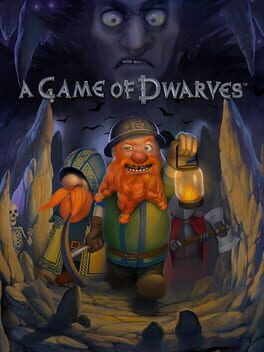
Lead a dwarven prince to reclaim lost lands in this strategy and management game.
The Verdict
AI-generated from listing dataBoth are classic 1990s point‑and‑click adventures, but Armaëth offers richer narrative depth and multiple endings, while Lost Eden provides a unique prehistoric setting with a more niche appeal.
Key differences
- •Narrative scope: Armaëth has multiple endings and extensive lore; Lost Eden has a single‑path story.
- •Setting: Armaëth is a dwarven fantasy kingdom; Lost Eden is a prehistoric world with dinosaurs.
- •Release year and developer pedigree: Armaëth (1993, Real World Software) vs. Lost Eden (1995, Cryo Interactive).
- •Platform availability: Neither lists platforms, but Lost Eden notes limited platform availability.
- •Save/UX: Armaëth mentions a limited save system; Lost Eden gives no info on save features.
Gameplay & fun factor
Armaëth’s branching dialogue and multiple endings provide more replay variety than Lost Eden’s single‑path adventure.
Platform availability
Lost Eden explicitly notes limited platform availability, implying tighter constraints; Armaëth gives no platform data.
Price & value
Both are paid one‑time purchases; no price differences are specified.
Multiplayer / co‑op
Both are single‑player only.
Content & replayability
Armaëth offers multiple endings and hidden lore collectibles, increasing replay value over Lost Eden.
Difficulty & accessibility
Lost Eden’s cons list only mentions dated graphics, while Armaëth notes obscure puzzles and limited save, suggesting higher difficulty.
Graphics & performance
Both use dated 1990s graphics; Lost Eden explicitly calls them dated, while Armaëth’s pixel art is described as atmospheric.
Choose Lost Eden if…
Players attracted to a unique prehistoric setting and who don’t mind limited platform support.
Choose Armaëth: The Lost Kingdom if…
Fans who want deep story, multiple endings, and classic fantasy puzzles.
Common questions
Which game has more replay value?
Armaëth, because it features multiple possible endings and hidden lore collectibles.
Do either of the games support multiplayer?
No, both are single‑player only.
Is there any price difference between the two?
Both are sold as a one‑time paid purchase; no price distinction is provided.