


Maestra vs Subly
Side-by-side comparison of features, pricing, ratings, and alternatives.

Maestra is an AI media localization platform that converts audio and video into transcripts, subtitles, translations, and dubbed voiceovers in more than 125 languages. It generates SRT and VTT subtitle files automatically, translates content with synchronized lip-sync, and produces AI dubbed voiceovers with voice cloning as an alternative to hiring voice talent. The platform also supports real-time live transcription and translation for meetings and broadcasts, and integrates with tools like YouTube, TikTok, Zoom, Microsoft Teams, Slack, and Zapier. Free standalone tools, including a subtitle editor and SRT editor, are available alongside its paid platform.
Subly is an accessibility platform focused on catching and fixing accessibility problems in pre-recorded video and audio before it goes live. An AI-powered checker scans content frame-by-frame against standards including WCAG, ADA, and EAA, flagging not just missing captions but also colour-contrast problems and flashing content that could trigger seizures, and produces compliance reports mapped to frameworks like WCAG 2.1, EN 301 549, and the ADA/ACA. On the content side, Subly generates closed captions and subtitles in over 100 languages with an online editor for corrections, can produce audio descriptions for visually impaired audiences, and supports uploads from Zoom, YouTube, Vimeo, and Adobe as well as OneDrive/SharePoint integration. A Subly API allows organizations to embed accessibility checking and captioning into their own publishing pipelines, making it aimed more at enterprises, agencies, and educational institutions with compliance obligations than individual creators wanting quick captions.
- Wide language coverage for subtitles and dubbing
- Combines transcription, subtitling, translation, and dubbing in one platform
- Free standalone tools available without an account
- Real-time live translation option for broadcasts and meetings
- Goes beyond basic captioning to catch color-contrast and flashing-content accessibility issues most caption tools ignore.
- Broad platform integrations (Zoom, YouTube, Vimeo, Microsoft 365) fit into existing video workflows.
- API access allows accessibility checking to be embedded into a larger content pipeline rather than used as a standalone tool.
- Covers multiple compliance frameworks (WCAG, ADA, EAA) useful for organizations with legal accessibility requirements.
- Detailed pricing tiers are not published on the main site
- AI dubbing and voice cloning quality varies by language
- Best suited to teams with recurring localization needs rather than one-off use
- No public pricing is listed; buyers must request a demo or trial to learn costs.
- Aimed more at organizations with compliance obligations than individual creators who just want quick captions.
- AI-generated captions and audio descriptions still need human review for accuracy on technical or specialized content.
More alternatives & similar tools
Alternatives to Maestra
View all →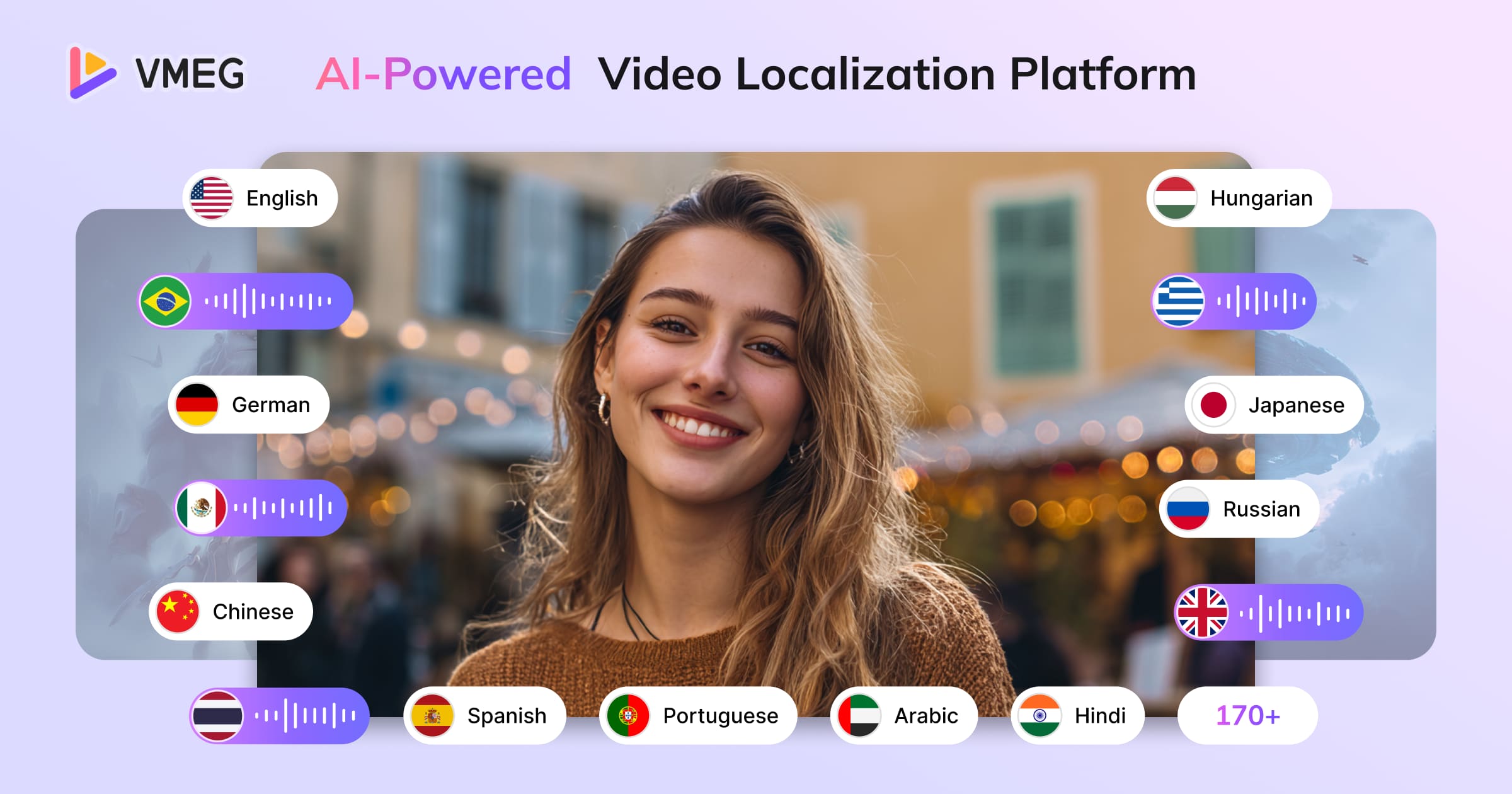
Translate videos into 170+ languages with AI voices, voice cloning, subtitles, and lip-synced dubbing—all in one online studio.

Alternatives to Subly
View all →The Verdict
AI-generated from listing dataMaestra offers a broader suite (transcription, subtitles, translation, dubbing) with free tools, while Subly focuses on accessibility compliance and detailed checks.
Key differences
- •Maestra includes AI dubbing and voice cloning; Subly does not.
- •Subly provides accessibility compliance reports (WCAG, ADA, etc.); Maestra does not.
- •Subly scans for color‑contrast and flashing‑content issues; Maestra’s focus is on language localization.
- •Pricing is public‑subscription for Maestra; Subly requires contacting sales, no public price.
- •Subly emphasizes enterprise compliance integrations; Maestra targets creators and recurring localization needs.
Pricing & value
Maestra lists a subscription model; Subly only offers contact‑for‑pricing, making cost less transparent.
Ease of use / learning curve
Maestra provides free standalone tools without an account, suggesting lower entry friction.
Features & depth
Subly adds accessibility checks, color‑contrast, flashing detection, and compliance reporting beyond basic captioning.
Integrations & ecosystem
Both list similar video platform integrations (YouTube, Zoom, etc.); each adds some unique partners.
Collaboration
Neither product description mentions specific collaboration features; no clear advantage.
Scalability
Subly targets enterprises, agencies, and institutions, implying design for large‑scale compliance workflows.
Support & security
No information provided about support levels or security/privacy for either product.
Choose Maestra if…
Creators or teams needing transcription, subtitles, translation, and AI dubbing with a clear subscription price.
Choose Subly if…
Enterprises or institutions that must meet accessibility standards and want automated compliance reporting.
Common questions
Is the pricing transparent?
Maestra shows a subscription model; Subly requires contacting sales, so price is not publicly disclosed.
Can either tool handle accessibility compliance checks?
Only Subly provides automated checks for color‑contrast, flashing content, and generates WCAG/ADA compliance reports.
Do both platforms support real‑time transcription?
Maestra offers real‑time live transcription and translation; Subly’s focus is on post‑process accessibility, not live transcription.