


Mega Man 7 vs Sonic Colors
Side-by-side comparison of features, pricing, ratings, and alternatives.
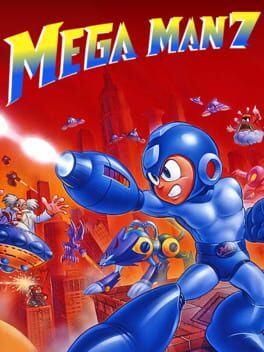
Mega Man 7 is an action-packed platform video game developed and published by Capcom for the Super Nintendo Entertainment System. Following Dr. Wily's imprisonment, four mysterious machines attack the city, prompting the Blue Bomber to team up with Rush, Roll, and Dr. Light to foil the sinister doctor's escape plan. Experience classic side-scrolling gameplay as you battle through challenging robotic stages, acquire new weapons from defeated bosses, and uncover the truth behind Wily's remote-controlled diversion. With vibrant 16-bit graphics and tight platforming mechanics, it is the seventh installment in the beloved original series.
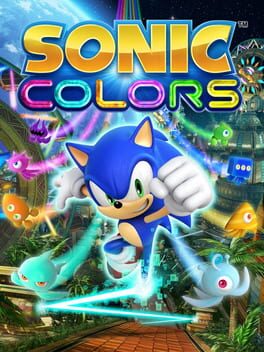
Sonic Colors is a platforming adventure starring Sonic the Hedgehog as he battles Dr. Eggman in an intergalactic amusement park. The game blends 3D third‑person runs with side‑scrolling sections and introduces Wisps, alien power‑ups that grant new abilities. Released worldwide for Wii and Nintendo DS in November 2010, the title offers both single‑player and multiplayer modes, appealing to younger gamers and families with its colorful visuals and accessible difficulty.
- Vibrant and detailed 16-bit pixel art
- Rewarding boss weapon progression system
- Memorable and catchy soundtrack
- Engaging platforming challenge for fans
- Vibrant, eye‑catching visuals
- Innovative Wisp power‑up system
- Blend of 3D and side‑scrolling gameplay
- Family‑friendly difficulty curve
- High difficulty can frustrate newcomers
- Short overall length compared to modern titles
- Limited replayability once all secrets are found
- Limited platform availability (Wii/DS only)
- Some level designs feel repetitive
- Multiplayer options are basic
More alternatives & similar tools
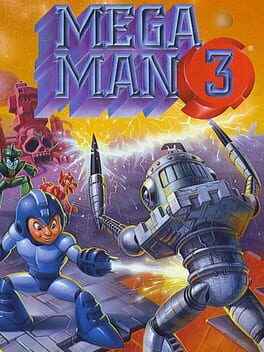
Alternatives to Mega Man 7
View all →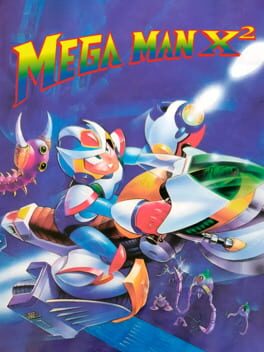
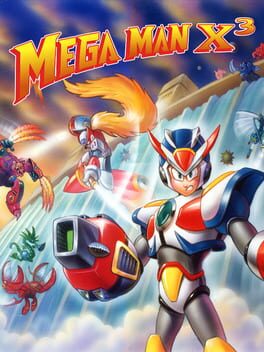
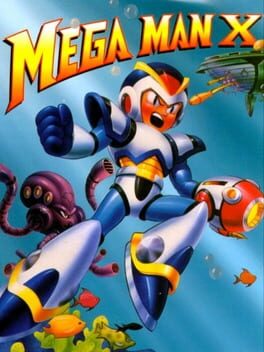
Stop Dr. Doppler's Maverick rebellion as Mega Man X and Zero in this classic action platformer.
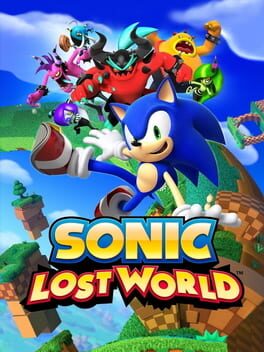
Alternatives to Sonic Colors
View all →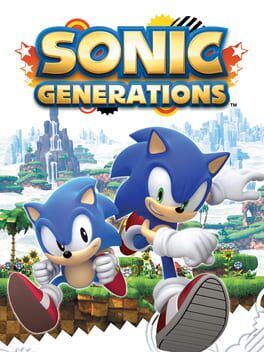

The Verdict
AI-generated from listing dataSonic Colors offers family‑friendly 3D/2D platforming with multiplayer on Wii/DS, while Mega Man 7 delivers classic 16‑bit solo action for retro fans.
Key differences
- •Platform availability: Sonic Colors only on Wii and DS; Mega Man 7 originally on SNES (no modern ports mentioned).
- •Multiplayer: Sonic Colors includes multiplayer mini‑games; Mega Man 7 is single‑player only.
- •Visual style: Sonic Colors uses vibrant 3D colors; Mega Man 7 uses 16‑bit pixel art.
- •Target audience: Sonic Colors aims at kids/families; Mega Man 7 targets retro gamers and platform enthusiasts.
- •Difficulty: Sonic Colors has a family‑friendly curve; Mega Man 7 is noted for high difficulty.
Gameplay & fun factor
Sonic Colors mixes 3D and side‑scrolling with power‑up Wisps and multiplayer, offering broader variety.
Platform availability
Sonic Colors runs on Wii and DS; Mega Man 7 only listed for its original 1995 release.
Price & value
Both are paid one‑time titles; exact price for Mega Man 7 not provided.
Multiplayer / co‑op
Sonic Colors includes multiplayer mini‑games; Mega Man 7 is single‑player only.
Content & replayability
Sonic Colors adds multiplayer and varied perspectives, extending replay value beyond Mega Man 7's single‑player run.
Difficulty & accessibility
Sonic Colors is rated PEGI 3/E with a family‑friendly curve; Mega Man 7 is PEGI 7/E and noted as highly difficult.
Graphics & performance
Sonic Colors features modern 3D visuals; Mega Man 7 uses classic 16‑bit pixel art.
Choose Mega Man 7 if…
Retro platform fans seeking classic 16‑bit challenge on original hardware.
Choose Sonic Colors if…
Families with kids who want colorful, varied platforming and multiplayer on Wii/DS.
Common questions
Which game supports multiplayer?
Sonic Colors includes multiplayer mini‑games; Mega Man 7 is single‑player only.
What age group is each game aimed at?
Sonic Colors targets kids and families (PEGI 3, ESRB E); Mega Man 7 targets retro gamers (PEGI 7, ESRB E).
Are both games available on modern consoles?
Sonic Colors is listed for Wii and DS only; Mega Man 7 is only listed for its 1995 release, no modern ports mentioned.