


Mega Man (1987) vs Mega Man III
Side-by-side comparison of features, pricing, ratings, and alternatives.
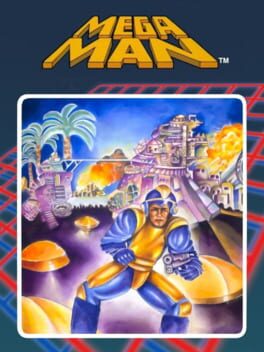
Battle to stop the evil scientist Dr. Wily and his re-programmed Robot Masters from taking over the world in this iconic NES platformer. Play as the cybernetic hero Mega Man through challenging stages, utilizing precise jumping and shooting mechanics to defeat formidable bosses. Developed by Capcom and directed by Akira Kitamura, this timeless title combines memorable 8-bit graphics with a legendary soundtrack. Step into the role of the universe's defender as you penetrate Dr. Wily's strongholds and restore peace to humanity.
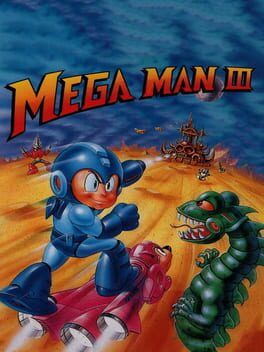
Mega Man III is an action-platform video game developed by Capcom and Minakuchi Engineering for the Nintendo Game Boy. In this third handheld installment, the blue bomber must stop Dr. Wily from siphoning energy from the Earth's core and putting a halt to a global robotic rampage. Combining gameplay elements and inspirations from the Nintendo Entertainment System titles Mega Man 3 and Mega Man 4, the game introduces the formidable robot killer Punk. Players navigate challenging stages, defeat bosses, and utilize classic platforming mechanics to save the world once again.
- Timeless 8-bit art style and memorable soundtrack
- Challenging and rewarding platforming gameplay
- Iconic boss battles with unique encounters
- Launches a legendary gaming franchise
- Faithful blend of classic NES Mega Man elements for handheld
- Introduction of the unique Mega Man Killer named Punk
- Challenging and rewarding platforming gameplay loop
- Accessible single-player action experience
- Can be exceptionally difficult for modern players
- Limited save features compared to modern titles
- Short overall runtime by today's standards
- Limited by original monochrome Game Boy graphical hardware
- High difficulty may frustrate casual players
- Short overall length compared to console counterparts
More alternatives & similar tools
Alternatives to Mega Man (1987)
View all →
Alternatives to Mega Man III
View all →
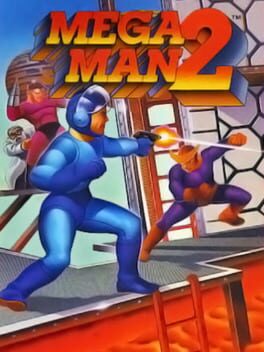
The Verdict
AI-generated from listing dataBoth are classic single-player platformers, but Mega Man III offers a later, more varied experience with an extra boss, while the original Mega Man delivers the franchise’s foundational gameplay.
Key differences
- •Mega Man III adds the unique Mega Man Killer Punk boss and blends elements from NES Mega Man 3 & 4.
- •Original Mega Man is the series’ first entry, featuring the iconic 8‑bit art and soundtrack that defined the franchise.
- •Both are monochrome Game Boy titles, but Mega Man III was released later (1992 vs 1987), reflecting slightly more advanced design.
- •Content length: both are short, but Mega Man III includes additional stages and replay for optimal times.
- •Difficulty: both are challenging; Mega Man III’s added boss may increase difficulty for casual players.
Gameplay & fun factor
Mega Man III adds the Punk boss and mixes NES 3/4 mechanics, offering more variety than the original’s core formula.
Platform availability
Both are Game Boy titles released on the same handheld platform.
Price & value
Both are paid one‑time purchases; no price differences are specified.
Multiplayer / co‑op
Both are single‑player only.
Content & replayability
Mega Man III encourages stage replay for optimal times and adds extra boss content, increasing replay value.
Difficulty & accessibility
The original’s difficulty is noted as “exceptionally difficult,” but Mega Man III’s added Punk boss may be tougher for casuals.
Graphics & performance
Both are limited by the original monochrome Game Boy hardware.
Choose Mega Man (1987) if…
Fans seeking the franchise’s original experience and iconic 8‑bit soundtrack.
Choose Mega Man III if…
Players wanting extra boss variety and later design refinements on Game Boy.
Common questions
Are either game multiplayer?
No; both Mega Man III and the original Mega Man are single‑player only.
Which game has more content to replay?
Mega Man III includes stage replay for optimal times and an extra boss, giving it more replayable content.
Do the games differ in graphics quality?
Both are limited to the original monochrome Game Boy hardware; graphics quality is effectively the same.