


Might and Magic VII: For Blood and Honor vs Rifts: Promise of Power
Side-by-side comparison of features, pricing, ratings, and alternatives.
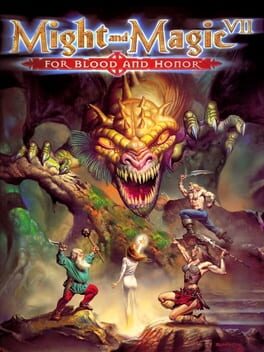
Might and Magic VII: For Blood and Honor is an open‑world classic CRPG that lets you switch between real‑time and turn‑based combat, offering a rich fantasy setting on the continent of Antagarich. Build a party of four, choose from four races and nine base classes, then promote them through a complex hierarchy to reach one of 18 end‑game classes. The game features a compelling political storyline, memorable locations, a soundtrack, and the addictive Arcomage card mini‑game, delivering over a hundred hours of adventure for single‑player fans of deep role‑playing experiences.
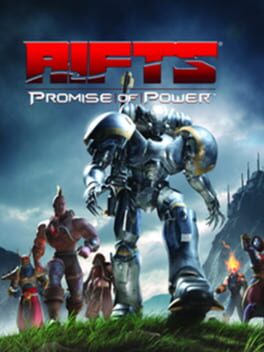
Rifts: Promise of Power adapts the pen‑and‑paper Rifts system to a turn‑based, action‑point combat engine for single‑player play. Players choose a proto‑class—Mercenary, Psionic, or Magic User—and later specialize into paths like Borg, Burster, or Ley Line Walker. The game introduces the exclusive Elemental Fusionist class, later incorporated into the Rifts Ultimate Edition core rulebook, and offers a shallow but broad sampling of the series' hundreds of classes, delivering strategic depth within a sci‑fi setting.
- Rich class promotion system with 36 variations
- Open world exploration with diverse locations
- Both real‑time and turn‑based combat options
- Includes the popular Arcomage card mini‑game
- Rich Rifts setting adapted for video games
- Clear turn‑based action‑point mechanics
- Variety of class and specialization options
- Unique Elemental Fusionist class
- Aging graphics may feel dated to modern players
- Combat can be unforgiving for newcomers
- Limited UI modernization and quality‑of‑life features
- Limited to single‑player experience
- Shallow depth compared to tabletop source
- Outdated graphics by modern standards
More alternatives & similar tools
Alternatives to Might and Magic VII: For Blood and Honor
View all →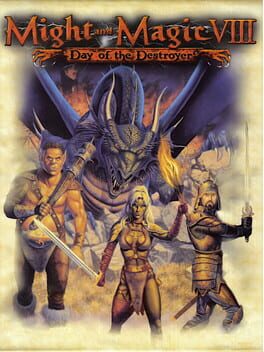
Save the world from elemental gates and the Destroyer in a classic RPG adventure.
Alternatives to Rifts: Promise of Power
View all →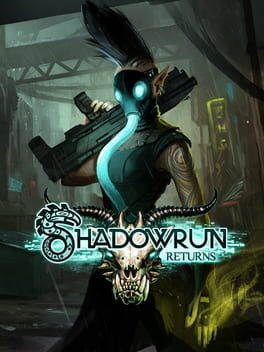
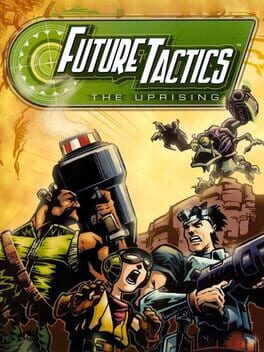
Turn‑based tactical combat meets sci‑fi action in a gritty mutant showdown.
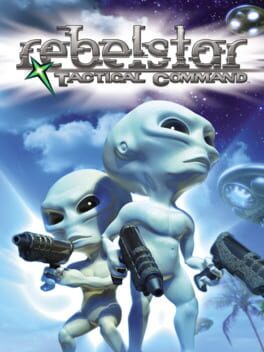
Lead the rebellion against alien overlords in turn‑based tactical combat.
The Verdict
AI-generated from listing dataRifts: Promise of Power offers a focused, turn‑based tactical RPG in a sci‑fi setting, while Might and Magic VII provides a classic fantasy open‑world experience with both real‑time and turn‑based combat and far more content.
Key differences
- •Setting: sci‑fi Rifts universe vs. fantasy Might and Magic world.
- •Combat: fixed turn‑based AP system only vs. optional real‑time or turn‑based combat.
- •Content volume: single‑player campaign only vs. open world with >100 hours and 36 class promotions.
- •Class system: three starter proto‑classes with limited specializations vs. four races, nine base classes, and 36 promoted classes.
- •Release era: 2005 vs. 1999, both with aging graphics but different tech generations.
Gameplay & fun factor
B offers both combat modes, open world, and deep class promotion, giving more varied play.
Platform availability
No platform information provided for either product.
Pricing & value
A's price not specified; B costs $49.99, making direct value comparison impossible.
Multiplayer / co-op
Both are single‑player only.
Content & replayability
B promises over 100 hours, open world, and 36 class combos; A is limited to a single campaign.
Difficulty & accessibility
A's shallow depth and fixed turn‑based system are generally easier for newcomers than B's unforgiving combat.
Graphics & performance
Both noted as having aging graphics; no comparative detail given.
Choose Might and Magic VII: For Blood and Honor if…
Players seeking a classic fantasy CRPG with deep class options, open‑world exploration, and long playtime.
Choose Rifts: Promise of Power if…
Fans of sci‑fi settings who want a straightforward turn‑based tactical experience.
Common questions
Which game has more content and replay value?
Might and Magic VII offers an open world, over 100 hours of play, and 36 class variations; Rifts has a single‑player campaign only.
Can I play either game in multiplayer or co‑op?
No. Both titles are single‑player only.
What combat styles are available?
Rifts uses only a turn‑based action‑point system; Might and Magic VII lets you switch between real‑time and turn‑based combat.