Mirror's Edge Catalyst vs Catherine
Side-by-side comparison of features, pricing, ratings, and alternatives.
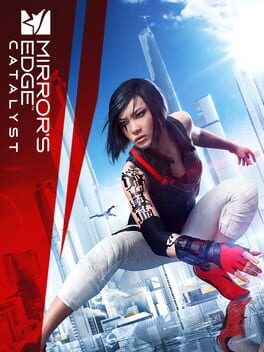
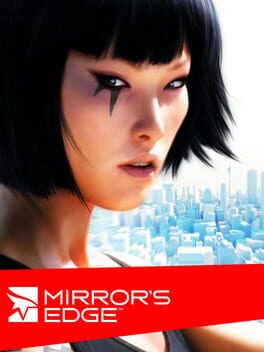
Mirror's Edge Catalyst is an action-adventure game and reboot of the acclaimed franchise, exploring the origins of protagonist Faith. Players traverse the dystopian city of Glass using fluid parkour movements, utilizing momentum and environmental interactions to reach objectives across a seamless open-world environment. With an overhauled combat system focused entirely on momentum-based melee attacks rather than firearms, the game emphasizes speed, flow, and precise timing. Players uncover a deep corporate conspiracy while mastering the rooftops in this thrilling, single-player and multiplayer-connected experience.
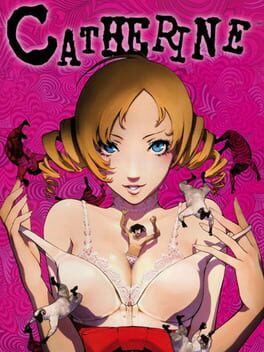
Vincent Brooks finds his life turned upside down when he is torn between his longtime girlfriend Katherine and a seductive new woman named Catherine. As he struggles with commitment issues, he is plagued by supernatural nightmares where a single misstep means actual death. Split between a social simulation in the daytime and intense block-climbing puzzle action in his dreams, players must make difficult moral choices that determine Vincent's ultimate fate. Featuring full HD cinematics, branching storylines, and a unique blend of horror, comedy, and romance, the game challenges both the mind and the heart.
- Stunning minimalist art style and atmosphere
- Incredible sense of speed and fluid movement mechanics
- Engaging open-world design replacing the original linear levels
- Rewarding time trials and community-driven challenges
- Engaging and mature narrative with multiple distinct endings
- Clever and addictive block-puzzle gameplay mechanics
- Memorable soundtrack and stylish presentation
- Unique blend of social simulation and horror elements
- Combat encounters can occasionally feel repetitive
- Open-world side activities lack narrative depth
- Traversal sometimes suffers from imprecise ledge snapping
- Difficulty spikes can prove punishing and frustrating for some players
- Nightmare puzzle sequences become repetitive during extended sessions
- Polarizing relationship themes may not appeal to all audiences