


Mysa Smart Thermostat for Electric Baseboard Heaters vs Google Nest Learning Thermostat
Side-by-side comparison of features, pricing, ratings, and alternatives.


Most smart thermostats are low-voltage devices designed for central heating systems, which makes them useless for electric baseboard heat. Mysa's baseboard thermostat is built specifically for high-voltage line systems: electric baseboard, fan-forced in-wall heaters and in-ceiling heating. That is a real gap in the market, and it is why this product exists as its own category rather than as a variant of a central-heating thermostat. It replaces the existing line-voltage thermostat on the wall and adds scheduling, remote app control and voice assistant support through Apple HomeKit, Amazon Alexa and Google Home. The current version includes built-in energy monitoring and a humidity sensor, so per-zone electricity use is visible rather than hidden inside a whole-house bill. Mysa quotes heating bill savings of up to 26 percent from scheduling alone, and covers the unit with a five-year warranty.
The Google Nest Learning Thermostat observes your temperature adjustments over the first week or two of use and automatically builds a personalized heating and cooling schedule, eliminating the need for manual programming that most people never bother to set up on traditional thermostats. Its built-in sensors detect when nobody is home and automatically switch to an energy-saving temperature (Auto-Schedule and Home/Away Assist), while a rotating dial UI on a sharp display makes manual adjustments simple without needing an app. Energy History reports show how much energy was used each day and why, helping identify savings opportunities, and integration with Google Home allows voice control alongside other smart home devices.
Around $249.99 MSRP.
- Solves a real gap: almost no smart thermostats handle electric baseboard heat
- Per-zone energy monitoring shows exactly which rooms cost the most to heat
- Works with all three major smart home platforms rather than picking one
- Five-year warranty is well above the industry norm
- Genuinely learns and adapts without setup effort
- Attractive, simple physical interface
- Real energy savings reporting
- Strong Google ecosystem integration
- You need one per heating zone, so a whole house gets expensive quickly
- Installation involves high-voltage wiring and often warrants an electrician
- Only relevant to electric resistance heating, not central or hydronic systems
- Requires compatible HVAC wiring (C-wire often needed)
- Premium price versus basic smart thermostats
- Some advanced scheduling requires manual override
What reviewers say
Mysa Smart Thermostat for Electric Baseboard Heaters Reviews
No reviews yet.
Google Nest Learning Thermostat Reviews
4.0 (4)Does exactly what we need
Google Nest Learning Thermostat has quickly become part of our daily routine. Genuinely learns and adapts without setup effort. One minor gripe: some advanced scheduling requires manual override, but it hasn't been a dealbreaker. Would recommend.
Does exactly what we need
Google Nest Learning Thermostat has quickly become part of our daily routine. Real energy savings reporting. One minor gripe: premium price versus basic smart thermostats, but it hasn't been a dealbreaker. Would recommend.
Does exactly what we need
We've been using Google Nest Learning Thermostat for a few months now and it's genuinely made a difference. Strong Google ecosystem integration. One minor gripe: premium price versus basic smart thermostats, but it hasn't been a dealbreaker. Would recommend.
More alternatives & similar tools
Alternatives to Mysa Smart Thermostat for Electric Baseboard Heaters
View all →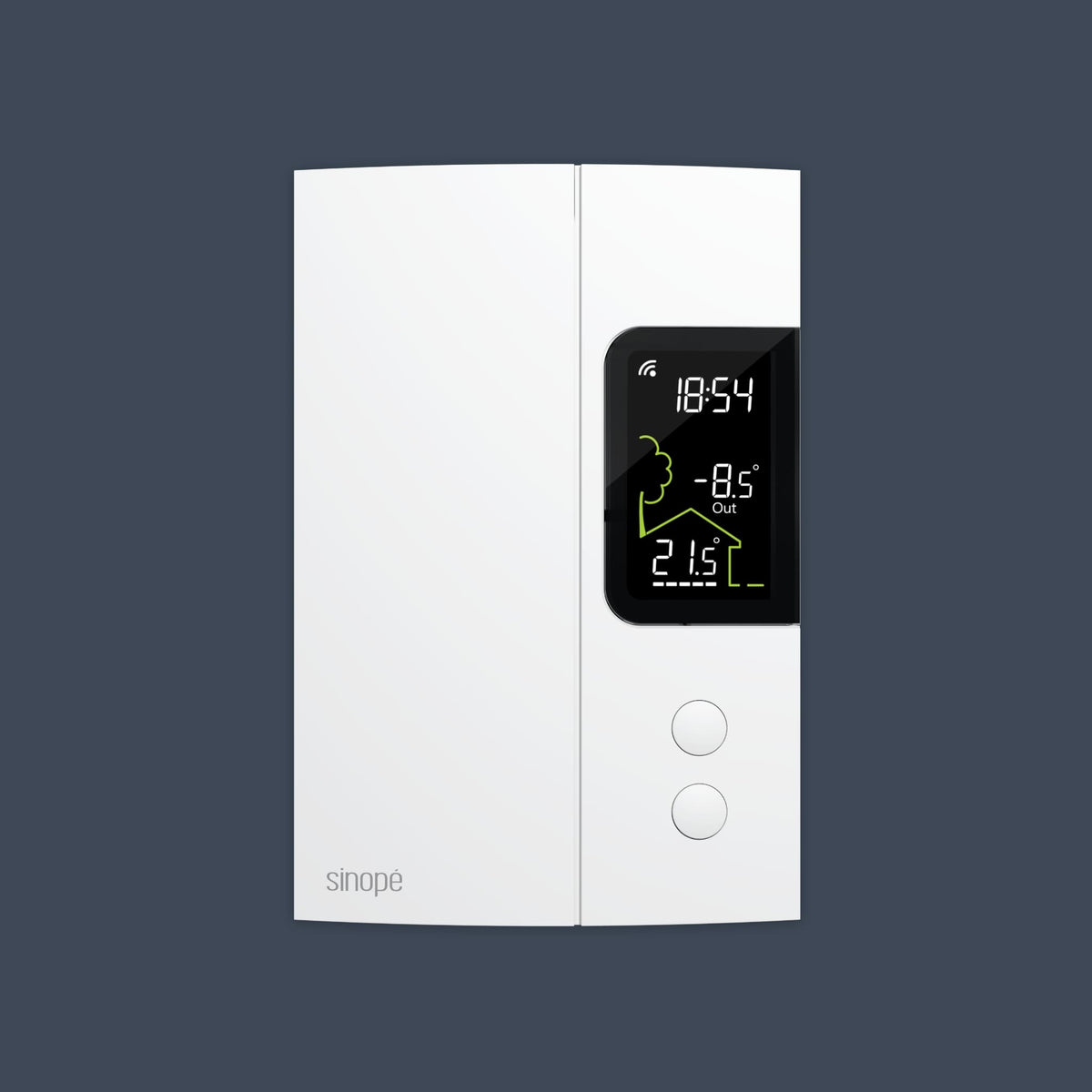
3000W Wi-Fi thermostat for electric baseboards and convectors, with HomeKit, Alexa and Google support.
Alternatives to Google Nest Learning Thermostat
View all →
A smart thermostat with a built-in air quality monitor and room sensors.

Smart temperature control with room sensors for whole-home comfort.

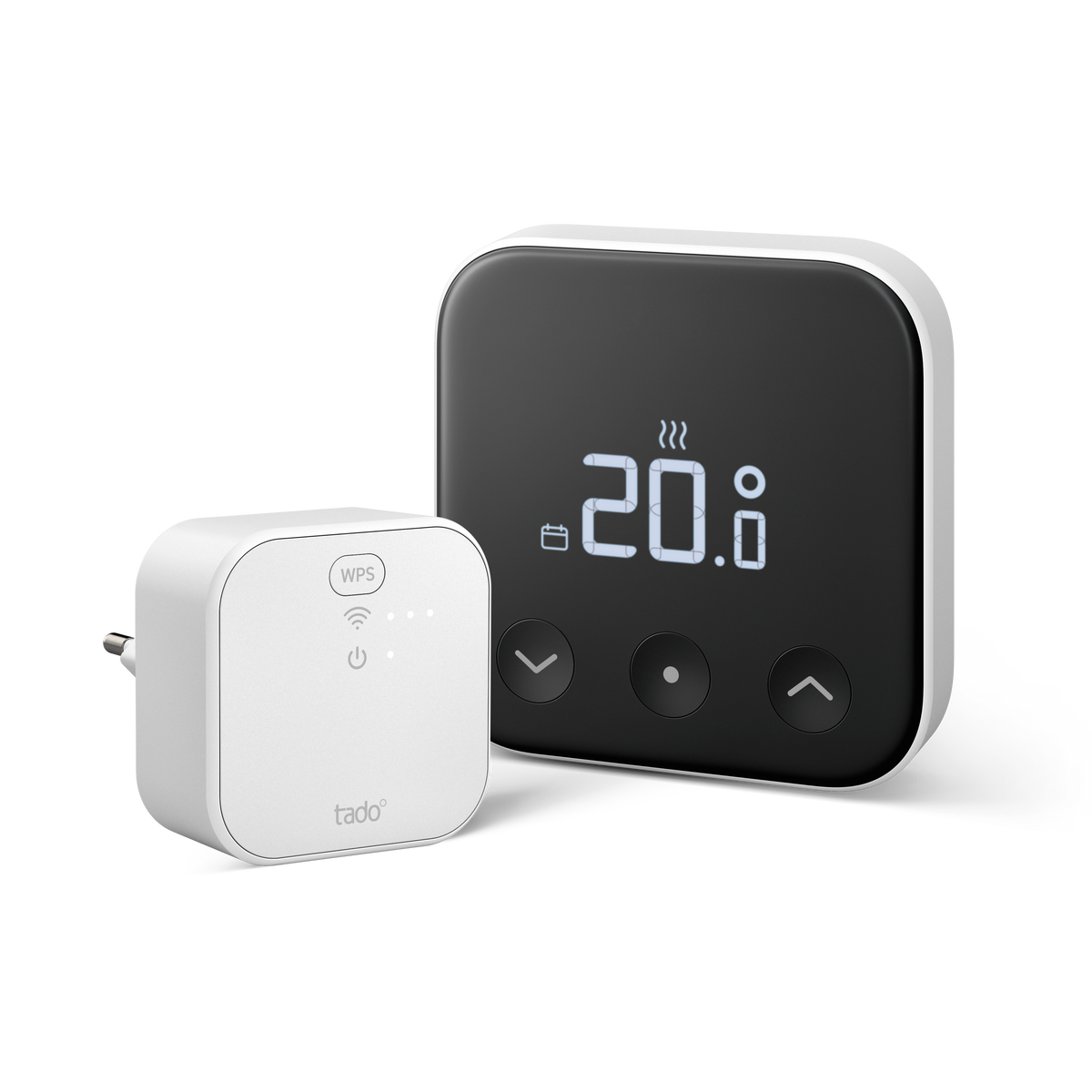
Self-installable wired smart thermostat with a bridge, compatible with most boilers and heat pumps.
The Verdict
AI-generated from listing dataMysa excels for homes with electric baseboard heating, offering zone‑level monitoring but higher cost and installation complexity; Nest is a universal smart thermostat for conventional HVAC, easier to install but not compatible with high‑voltage baseboards.
Key differences
- •Heating system compatibility: Mysa works only with high‑voltage electric baseboard; Nest requires low‑voltage HVAC with a C‑wire.
- •Per‑zone energy monitoring: Mysa provides electricity use per zone; Nest offers overall energy history only.
- •Warranty length: Mysa includes a 5‑year warranty; Nest’s warranty not specified.
- •Installation difficulty: Mysa replaces line‑voltage thermostats and often needs an electrician; Nest is a plug‑and‑play low‑voltage device.
Compatibility with heating system
Mysa is purpose‑built for electric baseboard; Nest only works with standard low‑voltage HVAC.
Smart platform support
Both support major voice assistants (Apple HomeKit, Alexa, Google Home for Mysa; Google Home/Assistant for Nest).
Warranty
Mysa offers a 5‑year warranty; Nest warranty not specified in the facts.
Price/value
Nest MSRP $249.99; Mysa price not given but requires one unit per zone, making it potentially more expensive.
Installation complexity
Mysa involves high‑voltage wiring and often an electrician; Nest is a low‑voltage plug‑in device.
Choose Mysa Smart Thermostat for Electric Baseboard Heaters if…
Homeowners with electric baseboard heating who want zone‑level monitoring and have electrician access.
Choose Google Nest Learning Thermostat if…
Homeowners with conventional HVAC who want a plug‑and‑play smart thermostat and easy installation.
Common questions
Can the Nest thermostat control electric baseboard heaters?
No; Nest requires low‑voltage HVAC wiring and is not compatible with high‑voltage baseboard systems.
Do I need an electrician to install Mysa?
Yes; installation involves high‑voltage line replacement and often warrants an electrician.
Which product offers per‑room energy usage data?
Mysa provides built‑in energy monitoring per heating zone; Nest only offers overall energy history.