


Myst vs The 11th Hour
Side-by-side comparison of features, pricing, ratings, and alternatives.
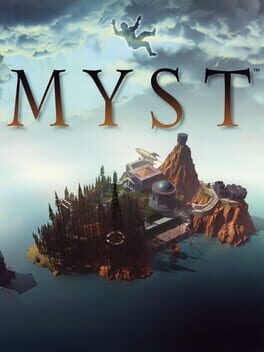
Myst is a classic point‑and‑click adventure that challenges players with intricate puzzles and an atmospheric narrative. Set on a series of enigmatic islands, the game blends fantasy, science‑fiction, and mystery to create an unforgettable experience. First released in 1993, Myst pioneered immersive storytelling and still captivates both new and veteran gamers with its beautiful visuals and mind‑bending riddles.
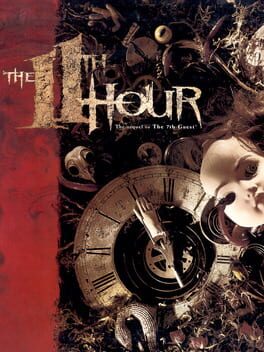
The 11th Hour is the much-anticipated sequel to the record-selling adventure horror game The 7th Guest, immersing players in a haunting world of mystery, desolation, and grotesque logic. Seventy years after the ill-fated mansion of deranged toymaker Henry Stauf was left to decompose, journalist Carl Denning arrives to search for his missing lover, awakening malignant forces and an undying legacy of madness. Guarded only by three mysterious women, players must navigate 22 wonderfully pre-rendered 3D rooms filled with challenging games, puzzles, and quests. Seamlessly blending cinematic live-action video sequences with a 3D environment, this interactive story delivers a suspenseful journey where every moment is fraught with horror.
- Deep, immersive world building
- Challenging and rewarding puzzles
- Timeless visual and audio design
- Non‑linear gameplay encourages exploration
- Engaging and challenging puzzle variety
- Atmospheric horror and suspenseful tone
- Stunning pre-rendered 3D environments
- Immersive cinematic video integration
- Pacing can feel slow for action‑oriented players
- Limited guidance may frustrate newcomers
- Outdated controls on some platforms
- Polarizing live-action acting typical of the era
- Gameplay may feel dated for modern players
- Difficult puzzles can cause progression bottlenecks
More alternatives & similar tools
Alternatives to Myst
View all →
Alternatives to The 11th Hour
View all →
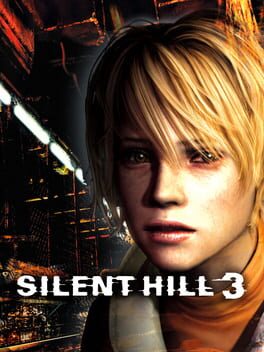
A nightmarish sequel that plunges you deeper into Silent Hill’s terrifying secrets
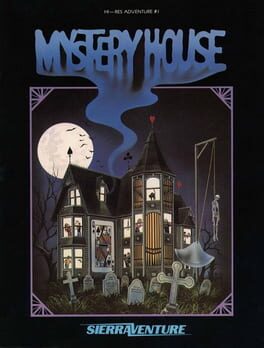
The Verdict
AI-generated from listing dataThe 11th Hour offers a horror‑themed, story‑driven puzzle adventure with live‑action video, while Myst provides a classic, non‑linear fantasy puzzle experience with broader critical appeal.
Key differences
- •Genre/theme: horror (The 11th Hour) vs fantasy/mystery (Myst).
- •Narrative delivery: live‑action cinematic sequences (The 11th Hour) vs journals/audio logs (Myst).
- •Critical reception: Myst scores slightly higher (55) than The 11th Hour (51).
- •Age rating: M (17+) for The 11th Hour vs E (all ages) for Myst.
- •Puzzle difficulty: The 11th Hour noted for very difficult puzzles that may bottleneck progress.
Gameplay & fun factor
Myst’s non‑linear island exploration and intuitive point‑and‑click interface are praised, whereas The 11th Hour’s dated mechanics may feel dated.
Platform availability
Both are listed only as single‑player PC titles; no platform specifics provided.
Pricing & value
Myst lists an MSRP of $49.99; The 11th Hour’s price is not specified, making direct comparison impossible.
Multiplayer / co‑op
Both are single‑player only.
Content & replayability
Myst’s non‑linear island order encourages replay; The 11th Hour follows a linear narrative with limited replay hooks.
Difficulty & accessibility
The 11th Hour is noted for very difficult puzzles that can cause bottlenecks, appealing to hardcore puzzle fans.
Graphics & performance
The 11th Hour features pre‑rendered 3D rooms and integrated live‑action video, offering a distinct visual style.
Choose Myst if…
Players seeking a classic, accessible, non‑linear puzzle adventure suitable for all ages.
Choose The 11th Hour if…
Players who love horror stories, live‑action video, and very challenging puzzles.
Common questions
Which game is appropriate for younger players?
Myst has an ESRB rating of E (everyone), while The 11th Hour is rated M (17+).
Which title received a higher critic score?
Myst scored 55/100, slightly higher than The 11th Hour’s 51/100.
Do either of the games support multiplayer?
Both are single‑player only.