


Naval War: Arctic Circle vs Police Quest: SWAT
Side-by-side comparison of features, pricing, ratings, and alternatives.
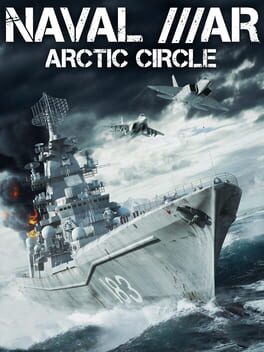
Naval War: Arctic Circle is a Real Time Strategy game focused on modern naval and aerial combat in the geopolitical flashpoints of the Polar Regions. Players engage in intense tactical warfare utilizing authentic military units from global factions including the United States, Russia, NATO, and Nordic countries along the North Atlantic and Arctic corridors. The game features an extensive single-player campaign alongside robust skirmish, LAN, and online multiplayer modes. Players must manage resources, supply lines, and advanced weaponry systems to outmaneuver opponents across vast oceanic expanses ranging from the Norwegian coast to the North West Passage.
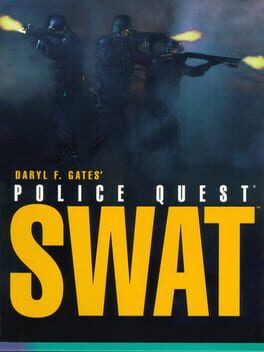
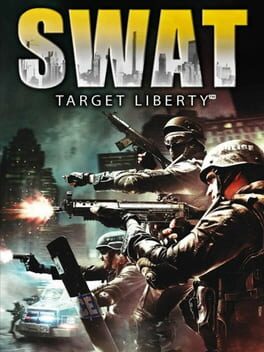
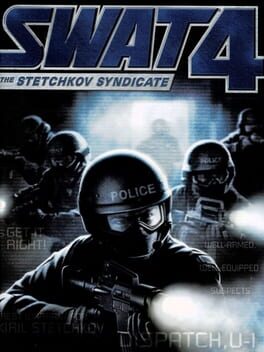
Police Quest: SWAT puts you in the shoes of a tactical police unit, demanding careful planning and precise execution. The game blends strategy, simulation, and action as you coordinate squads, manage equipment, and respond to high‑risk incidents. Released in 1995 for PC and Mac, the title offers a gritty, methodical experience that challenges players to think like real‑world law enforcement while navigating the limitations of 1990s graphics and interface design.
- Features authentic military units from multiple global factions
- Includes an engaging campaign and multiple multiplayer modes
- Covers a unique and rarely depicted theater of modern warfare
- Offers deep tactical depth for strategy enthusiasts
- Deep tactical planning
- Authentic police procedures
- Challenging single‑player experience
- Historical retro appeal
- Steep learning curve for casual players
- Interface and graphics can feel dated compared to newer titles
- Multiplayer community can be difficult to find active matches in
- Outdated graphics and UI
- Steep learning curve
- Limited replay variety
More alternatives & similar tools
Alternatives to Naval War: Arctic Circle
View all →
Alternatives to Police Quest: SWAT
View all →
The Verdict
AI-generated from listing dataPolice Quest: SWAT offers a deep, single‑player tactical police simulation with retro charm but dated graphics, while Naval War: Arctic Circle provides a broader modern naval/air strategy experience with both single‑player and multiplayer modes and higher critical acclaim.
Key differences
- •Gameplay focus: Police Quest is a ground‑level SWAT tactical simulator; Naval War is a large‑scale naval and aerial RTS.
- •Multiplayer: Police Quest has none; Naval War supports online and LAN multiplayer.
- •Critical reception: Police Quest scored 37/100, Naval War 68/100.
- •Era and graphics: Police Quest (1995) has outdated graphics; Naval War (2012) is newer but still considered dated.
- •Content scope: Police Quest offers detailed police procedures; Naval War covers modern global naval warfare across the Arctic.
Gameplay & fun factor
Naval War provides larger strategic scope and varied unit types, appealing to strategy fans; Police Quest is niche tactical police.
Platform availability
Both are listed without specific platform data; availability cannot be distinguished from facts.
Price & value
Both priced at $19.99 one‑time, offering similar cost.
Multiplayer / co‑op
Naval War includes single‑player and multiplayer modes; Police Quest is single‑player only.
Content & replayability
Naval War has an extensive campaign plus multiplayer, increasing replay value; Police Quest has limited replay variety.
Difficulty & accessibility
Police Quest’s steep learning curve is offset by its focused single‑player scope; Naval War’s broader systems are steeper for casual players.
Graphics & performance
Naval War (2012) is newer than Police Quest (1995), though both are noted as dated; Naval War is relatively better.
Choose Naval War: Arctic Circle if…
Players seeking modern military strategy with both single‑player campaign and multiplayer battles.
Choose Police Quest: SWAT if…
Players who want a focused, single‑player police tactical experience and appreciate retro games.
Common questions
Do either of these games support multiplayer?
Police Quest: SWAT is single‑player only; Naval War: Arctic Circle offers both single‑player and multiplayer modes.
Which game has better critical reception?
Police Quest: SWAT has a critic score of 37/100, while Naval War: Arctic Circle scored 68/100.
Are the graphics modern enough for today’s standards?
Both are described as dated; Police Quest (1995) is older, Naval War (2012) is newer but still considered dated.