


Google Nest Learning Thermostat vs Sensibo Air Pro
Side-by-side comparison of features, pricing, ratings, and alternatives.


The Google Nest Learning Thermostat observes your temperature adjustments over the first week or two of use and automatically builds a personalized heating and cooling schedule, eliminating the need for manual programming that most people never bother to set up on traditional thermostats. Its built-in sensors detect when nobody is home and automatically switch to an energy-saving temperature (Auto-Schedule and Home/Away Assist), while a rotating dial UI on a sharp display makes manual adjustments simple without needing an app. Energy History reports show how much energy was used each day and why, helping identify savings opportunities, and integration with Google Home allows voice control alongside other smart home devices.
The Sensibo Air Pro is not a thermostat in the wall-mounted sense. It is a small controller that learns your air conditioner or heat pump's infrared remote codes and then drives the unit itself, which means an existing mini-split, window unit or portable AC gains scheduling, geofencing and app control without being replaced or rewired. That retrofit approach is the whole product, and it is aimed at the enormous installed base of remote-controlled units that smart thermostats cannot touch. The Pro model adds an onboard air quality sensor measuring fine particulate matter alongside temperature and humidity, so the same device that controls the climate also reports on it. It supports geofencing that turns the AC off when the last person leaves and back on before they return, schedules, and integration with the major voice assistants and smart home platforms.
Around $249.99 MSRP.
- Genuinely learns and adapts without setup effort
- Attractive, simple physical interface
- Real energy savings reporting
- Strong Google ecosystem integration
- Makes existing AC units smart without replacing or rewiring anything
- Works with the huge installed base of remote-controlled units that wall thermostats cannot control
- Onboard particulate sensor adds real air-quality data, not just temperature
- Geofencing meaningfully cuts wasted cooling in empty homes
- Requires compatible HVAC wiring (C-wire often needed)
- Premium price versus basic smart thermostats
- Some advanced scheduling requires manual override
- Only works with units that accept an infrared remote, not hardwired systems
- Needs line of sight to the AC unit's infrared receiver
- Some advanced features and long-term data are tied to a subscription tier
What reviewers say
Google Nest Learning Thermostat Reviews
4.0 (4)Does exactly what we need
Google Nest Learning Thermostat has quickly become part of our daily routine. Genuinely learns and adapts without setup effort. One minor gripe: some advanced scheduling requires manual override, but it hasn't been a dealbreaker. Would recommend.
Does exactly what we need
Google Nest Learning Thermostat has quickly become part of our daily routine. Real energy savings reporting. One minor gripe: premium price versus basic smart thermostats, but it hasn't been a dealbreaker. Would recommend.
Does exactly what we need
We've been using Google Nest Learning Thermostat for a few months now and it's genuinely made a difference. Strong Google ecosystem integration. One minor gripe: premium price versus basic smart thermostats, but it hasn't been a dealbreaker. Would recommend.
Sensibo Air Pro Reviews
No reviews yet.
More alternatives & similar tools
Alternatives to Google Nest Learning Thermostat
View all →
A smart thermostat with a built-in air quality monitor and room sensors.

Smart temperature control with room sensors for whole-home comfort.

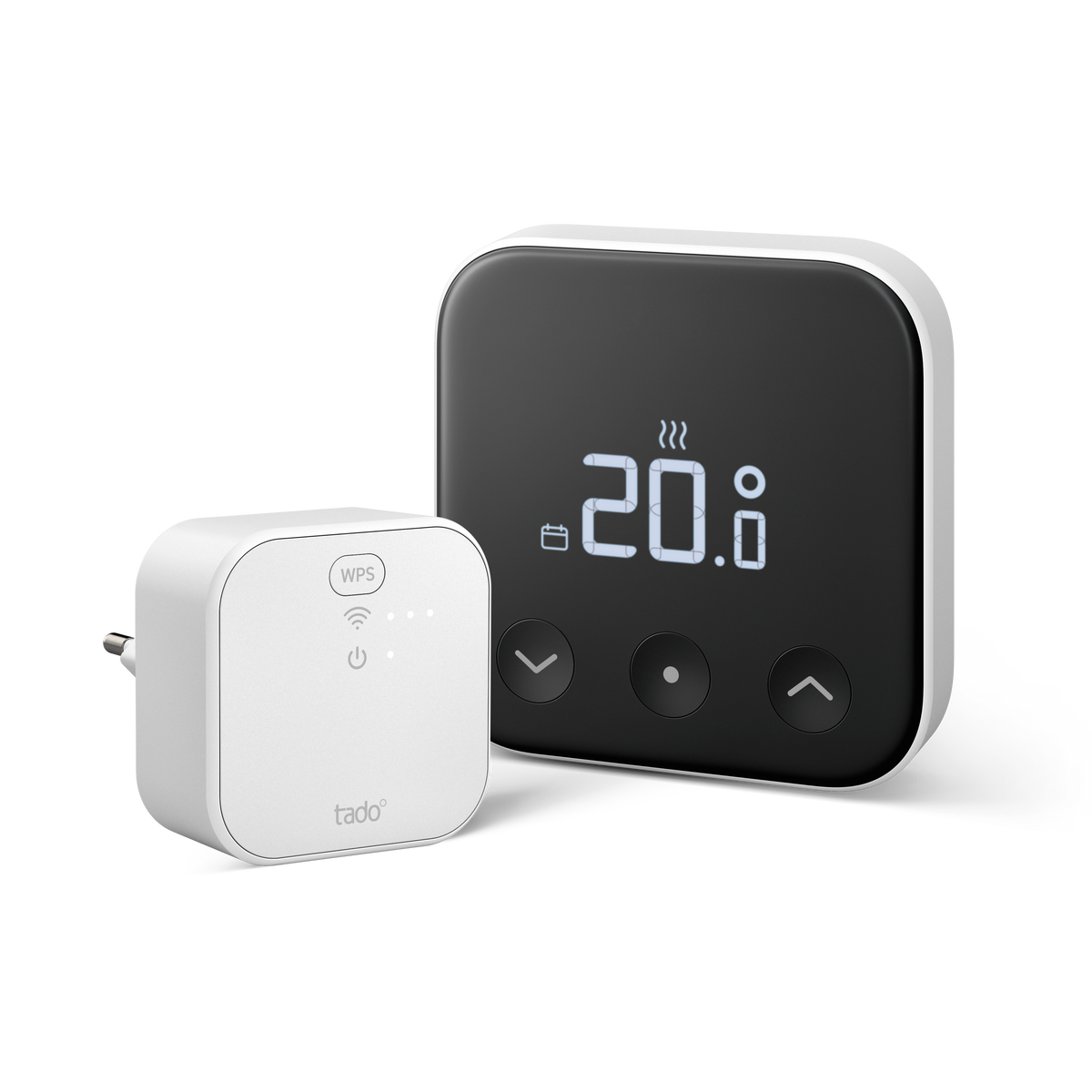
Self-installable wired smart thermostat with a bridge, compatible with most boilers and heat pumps.
Alternatives to Sensibo Air Pro
View all →No alternatives listed yet. Browse similar tools →
The Verdict
AI-generated from listing dataChoose Sensibo Air Pro if you need to add smart control to existing IR‑controlled AC/heat‑pump units without rewiring; choose Google Nest Learning Thermostat if you have a compatible HVAC system and want a built‑in thermostat that learns schedules and integrates deeply with Google Home.
Key differences
- •Control method: Sensibo adds smart IR control to existing units; Nest replaces the thermostat and requires HVAC wiring.
- •Compatibility: Sensibo works with any remote‑controlled AC/heat‑pump; Nest only works with systems that support a smart thermostat (often needs a C‑wire).
- •Air‑quality sensing: Sensibo includes a particulate sensor; Nest does not.
- •Learning vs. scheduling: Nest auto‑learns schedule in weeks; Sensibo relies on user‑defined schedules and geofencing.
- •Physical interface: Nest provides a rotating dial for manual control; Sensibo is app‑only.
Pricing & value
Nest price is specified at $249.99; Sensibo price not provided, making Nest the known cheaper option.
Installation effort
Sensibo retrofits via IR, no wiring; Nest requires compatible HVAC wiring, often a C‑wire.
Compatibility breadth
Sensibo works with mini‑splits, window, portable ACs, heat pumps; Nest limited to HVAC systems that accept a thermostat.
Energy‑saving features
Both offer automation (geofencing vs. Home/Away Assist) but different mechanisms; no direct efficiency data to declare a winner.
Air‑quality monitoring
Sensibo includes an onboard particulate sensor; Nest has no air‑quality sensor.
Smart‑home integration
Both integrate with major voice assistants (Google Assistant, Alexa, etc.); neither has a clear advantage.
Physical control interface
Nest provides a tactile rotating dial for manual adjustments; Sensibo relies solely on app control.
Choose Google Nest Learning Thermostat if…
Homeowners with compatible HVAC wiring who want a built‑in thermostat that learns schedules.
Choose Sensibo Air Pro if…
Renters or owners of IR‑controlled AC/heat‑pump units needing smart features without rewiring.
Common questions
Can Sensibo replace a thermostat?
No, Sensibo is an IR controller that works alongside existing remote‑controlled units; it does not replace a thermostat.
Does Nest work with window or portable AC units?
No, Nest requires a compatible central HVAC system with thermostat wiring; it cannot control IR‑only window or portable units.
Is a subscription needed for either device?
Sensibo notes some advanced features and long‑term data require a subscription tier; Nest does not mention any subscription.