


Google Nest Learning Thermostat vs Senville LETO Series Mini Split
Side-by-side comparison of features, pricing, ratings, and alternatives.


The Google Nest Learning Thermostat observes your temperature adjustments over the first week or two of use and automatically builds a personalized heating and cooling schedule, eliminating the need for manual programming that most people never bother to set up on traditional thermostats. Its built-in sensors detect when nobody is home and automatically switch to an energy-saving temperature (Auto-Schedule and Home/Away Assist), while a rotating dial UI on a sharp display makes manual adjustments simple without needing an app. Energy History reports show how much energy was used each day and why, helping identify savings opportunities, and integration with Google Home allows voice control alongside other smart home devices.
The LETO Series is Senville's high-efficiency single-zone ductless mini split, sold across the full residential BTU range from 9,000 up to 48,000 BTU. It both cools and heats, and Senville sizes the range by room area as well as BTU, with published bands from 100 to 500 square feet up to 1,250 to 1,500 square feet, which makes selecting the right unit considerably less error-prone than working from BTU alone. As with all mini splits, dehumidification comes as part of the cooling cycle, so the unit removes excess moisture while it runs. Senville sells the LETO alongside ultra-high-efficiency and hyper efficiency tiers, Alexa-enabled models, ceiling cassettes, concealed duct and floor-mounted formats, and multi-zone configurations up to five zones for whole-home coverage.
Around $249.99 MSRP.
- Genuinely learns and adapts without setup effort
- Attractive, simple physical interface
- Real energy savings reporting
- Strong Google ecosystem integration
- Very wide BTU range covers almost any single room
- Room-size guidance makes sizing straightforward
- Heating and cooling plus dehumidification in one unit
- Priced below the major HVAC brands
- Requires compatible HVAC wiring (C-wire often needed)
- Premium price versus basic smart thermostats
- Some advanced scheduling requires manual override
- Installation typically requires an HVAC professional
- Single-zone units only condition one space
- Wall-mounted indoor heads are visually prominent
What reviewers say
Google Nest Learning Thermostat Reviews
4.0 (4)Does exactly what we need
Google Nest Learning Thermostat has quickly become part of our daily routine. Genuinely learns and adapts without setup effort. One minor gripe: some advanced scheduling requires manual override, but it hasn't been a dealbreaker. Would recommend.
Does exactly what we need
Google Nest Learning Thermostat has quickly become part of our daily routine. Real energy savings reporting. One minor gripe: premium price versus basic smart thermostats, but it hasn't been a dealbreaker. Would recommend.
Does exactly what we need
We've been using Google Nest Learning Thermostat for a few months now and it's genuinely made a difference. Strong Google ecosystem integration. One minor gripe: premium price versus basic smart thermostats, but it hasn't been a dealbreaker. Would recommend.
Senville LETO Series Mini Split Reviews
No reviews yet.
More alternatives & similar tools
Alternatives to Google Nest Learning Thermostat
View all →
A smart thermostat with a built-in air quality monitor and room sensors.

Smart temperature control with room sensors for whole-home comfort.

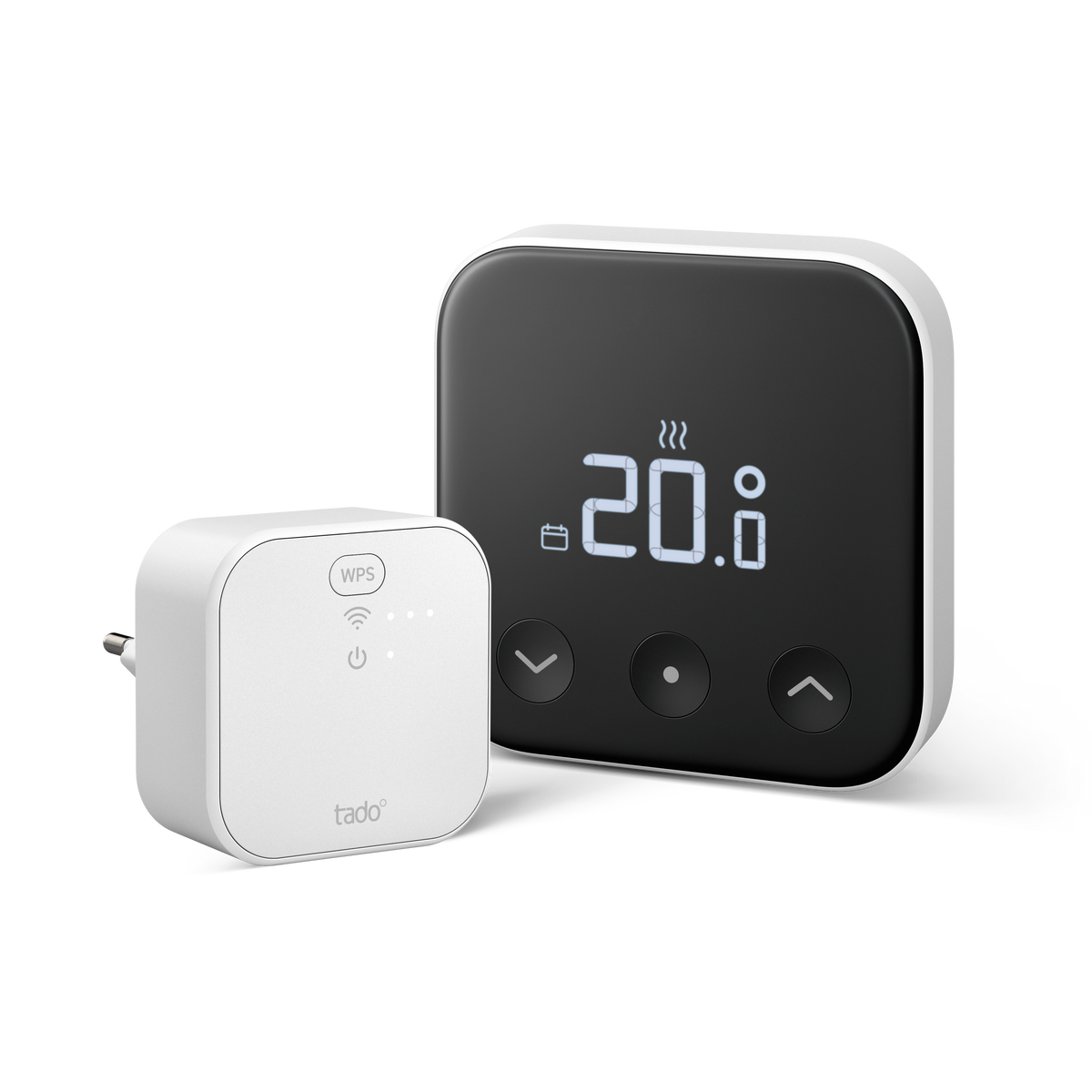
Self-installable wired smart thermostat with a bridge, compatible with most boilers and heat pumps.
Alternatives to Senville LETO Series Mini Split
View all →The only mini-split designed for full homeowner installation, with Intertek-certified pre-charged line sets.

Residential ductless mini-split systems from Fujitsu General's AIRSTAGE platform.

Advanced ductless heat pump delivering reliable heating in extreme sub-zero temperatures.