


OCRmyPDF vs Sejda
Side-by-side comparison of features, pricing, ratings, and alternatives.


OCRmyPDF adds an OCR text layer to scanned PDF files, making them searchable. The original page images are kept intact and the recognised text is placed underneath them, so the document looks unchanged while its contents can be searched, selected and copied. It runs from the command line using the Tesseract OCR engine.
Sejda is a browser-based and desktop PDF toolkit offering more than 30 tools for editing, merging, splitting, compressing, and converting PDF documents without installing heavy software. It supports fill-and-sign workflows, password protection, OCR for scanned files, and batch operations like Bates numbering.
- Free and open source
- Easy to use and install
- Supports over 100 languages through the Tesseract engine
- Preserves the original layout and formatting of the PDF
- Wide range of PDF tools in one place
- No installation needed for the web version
- Offline desktop app available for privacy-sensitive work
- Files are deleted from servers after processing
- May not work well with low-quality scans
- Can be slow for large PDF files
- Command-line only — there is no official graphical interface
- Free tier has strict page and hourly limits
- Some advanced features require a paid plan
- Desktop app requires a separate paid license from web access
More alternatives & similar tools
Alternatives to OCRmyPDF
View all →


Alternatives to Sejda
View all →

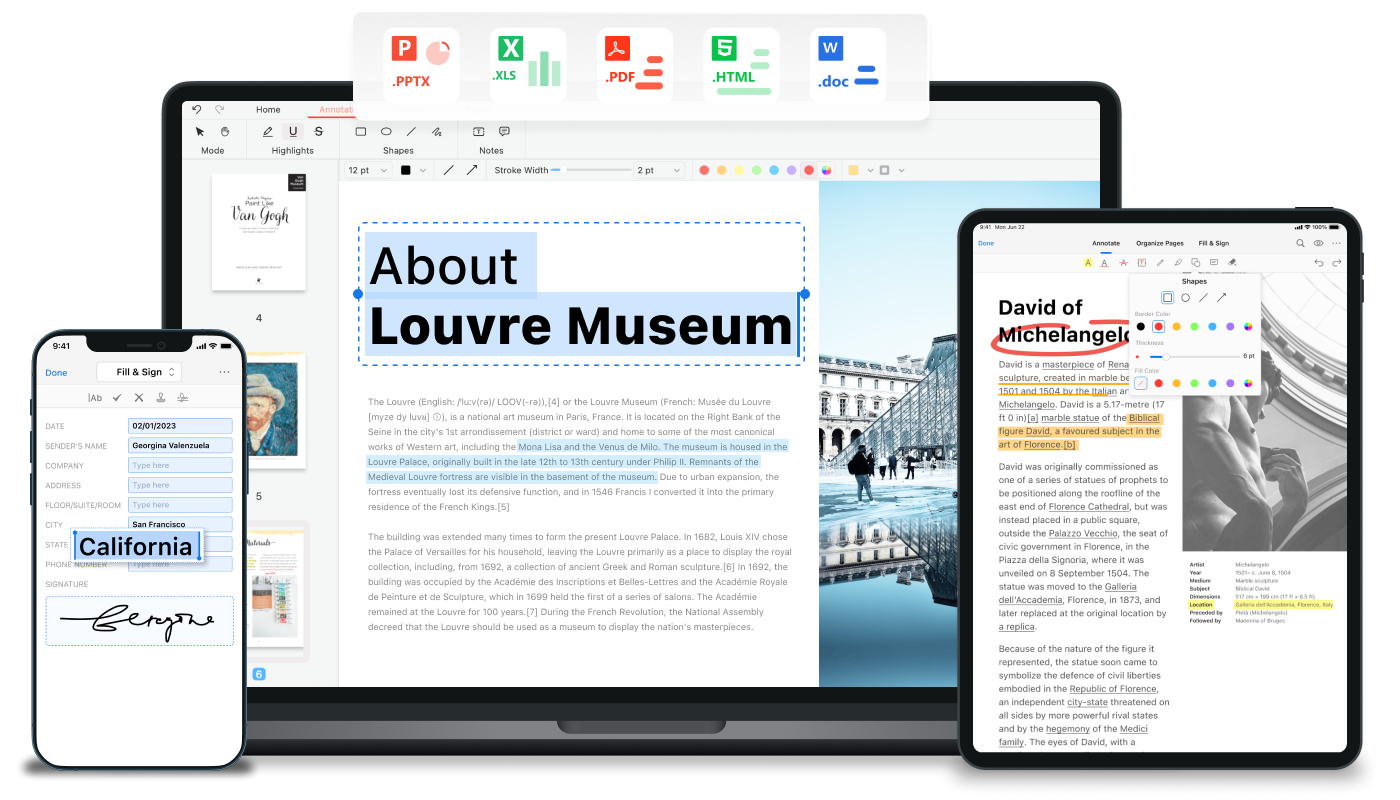
Feature-rich Windows PDF editor with OCR, forms, and a perpetual license model.

The Verdict
AI-generated from listing dataSejda offers a full‑featured, web‑and‑desktop PDF editor with a free tier but usage limits, while OCRmyPDF is a free, open‑source command‑line tool that only adds OCR to PDFs.
Key differences
- •Sejda provides editing, merging, conversion, signing and batch tools; OCRmyPDF only adds searchable text layers.
- •Sejda has a freemium model with paid plans for advanced features; OCRmyPDF is completely free and open source.
- •Sejda works via browser or desktop GUI; OCRmyPDF is command‑line only, suited for scripting.
- •Sejda stores files temporarily in the cloud (deleted after processing); OCRmyPDF runs locally, no cloud component.
- •Sejda offers email support; OCRmyPDF relies on community GitHub issues and forums.
Pricing & value
Sejda has a freemium tier but charges for higher limits and desktop license; OCRmyPDF is free but limited to OCR only.
Ease of use / learning curve
Sejda offers a graphical web/desktop UI; OCRmyPDF requires command‑line knowledge.
Features & depth
Sejda includes editing, merging, conversion, signing, batch ops; OCRmyPDF only provides OCR and PDF/A output.
Integrations & ecosystem
OCRmyPDF is open source, scriptable, Docker image, integrates into pipelines; Sejda has no API.
Collaboration
Sejda’s web version allows quick sharing and signing; OCRmyPDF has no collaboration features.
Scalability
OCRmyPDF runs locally and can be batch‑processed via scripts; Sejda free tier limits pages/hour.
Support
Sejda offers email support; OCRmyPDF relies on community GitHub issues.
Security & privacy
OCRmyPDF processes files locally with no upload; Sejda uploads files to cloud (though deletes after).
Migration / lock‑in
OCRmyPDF outputs standard PDFs and is open source; Sejda’s desktop app requires separate paid license.
Choose OCRmyPDF if…
Tech‑savvy users or teams that need automated, free OCR on scanned PDFs and can work from the command line.
Choose Sejda if…
Individuals or SMBs needing a GUI for full PDF editing, signing, and occasional OCR without scripting.
Common questions
Can I use the tool for free without limits?
Sejda’s free tier has strict page and hourly limits; OCRmyPDF is completely free with no usage caps.
Do I need to install software or can I work in a browser?
Sejda works both in a browser and as a desktop app; OCRmyPDF is a command‑line program that must be installed locally.
Is my data sent to the cloud?
Sejda processes files in the cloud (deleting them after); OCRmyPDF runs entirely on your machine, never uploading files.