


Teenage Mutant Ninja Turtles 3: Mutant Nightmare vs Teenage Mutant Ninja Turtles: Smash-Up
Side-by-side comparison of features, pricing, ratings, and alternatives.
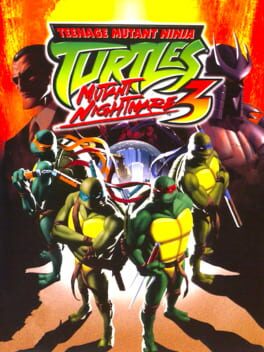
The game features a Target Attack system for precise enemy lock‑on, a Ninja Scroll system for customizable special moves, and a Cooperative Attack that scales with the number of players. With three story episodes, a Nightmare chapter, and a Free Battle mode, the title offers varied missions, iconic bosses, and a final showdown against Ultimate Drako.
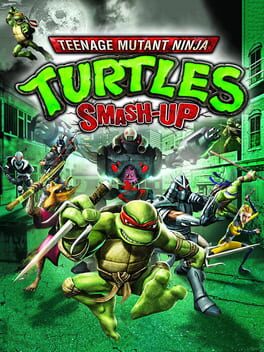
Teenage Mutant Ninja Turtles: Smash-Up is a 2.5D fighting game that pits the turtles and their allies against classic villains in fast‑paced, arena‑style battles. Developed by Game Arts and published by Ubisoft, the title was released in 2009 for PlayStation 2 and Wii, offering both single‑player modes and up to four players locally or online. The game features interactive stages, collectible shells for unlocks, and a comic‑book tie‑in that expands the story of the tournament hosted by Splinter.
- Deep cooperative mechanics
- Rich character progression system
- Varied mission design with three episodes
- Unlockable ninja scroll abilities
- Four‑player local and online support
- Highly interactive and varied stages
- Rich unlock system with shells and trophies
- Comic‑book story adds extra lore
- Low critic score indicates mixed reception
- Graphics dated for modern standards
- Linear story progression
- Limited to older consoles (PS2, Wii)
- Online matchmaking can be unstable
- Graphics are dated compared to modern fighters
More alternatives & similar tools
Alternatives to Teenage Mutant Ninja Turtles 3: Mutant Nightmare
View all →
Join the Turtles in a retro beat‑em‑up to stop Shredder’s Hyperstone threat.
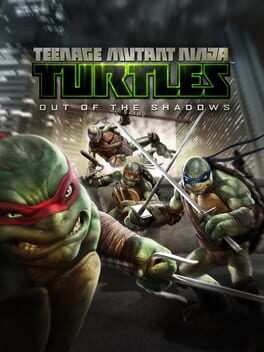
Team up as the Turtles to smash the Foot Clan in a hyper‑real 3D brawler.
Alternatives to Teenage Mutant Ninja Turtles: Smash-Up
View all →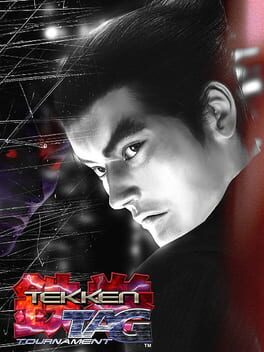
Team up and unleash combo fury in the ultimate tag‑team fighting experience.


Crossover fighting chaos with Cartoon Network’s biggest heroes
The Verdict
AI-generated from listing dataBoth are paid TMNT beat‑em‑up titles, but A offers deeper co‑op progression while B focuses on chaotic 4‑player arena brawling with more modes.
Key differences
- •A features RPG‑style character evolution and ninja scroll abilities; B uses arena traps and collectible shells for unlocks.
- •A supports up to 4 players with AI‑filled slots; B supports 4 players but only on older consoles (PS2, Wii).
- •Critic scores: A 43/100 vs B 56/100, indicating B was received slightly better.
- •A includes three story episodes plus a Nightmare chapter; B offers multiple arena‑based modes (Arcade, Battle Royal, Survival, Tournament, Swap).
- •Graphics: A’s visuals are dated for modern standards; B’s graphics are also dated but tied to older hardware.
Gameplay & fun factor
A provides character progression and varied missions; B is limited to arena brawls.
Platform availability
A’s platform not specified but not limited to old consoles; B is restricted to PS2 and Wii.
Price & value
A lists MSRP $29.99; B’s price not specified, so A’s cost is known.
Multiplayer / co‑op
A supports AI‑filled co‑op and scales damage; B’s online matchmaking is noted as unstable.
Content & replayability
A has story episodes, Nightmare chapter, and Free Battle mode; B relies on arena matches.
Difficulty & accessibility
B’s simple arena fights are easier for casual players; A’s progression may be more demanding.
Graphics & performance
Both are described as dated; no clear advantage.
Choose Teenage Mutant Ninja Turtles 3: Mutant Nightmare if…
Players who want deeper co‑op progression and story content.
Choose Teenage Mutant Ninja Turtles: Smash-Up if…
Players who prefer fast, chaotic 4‑player arena brawls on older consoles.
Common questions
Which game has a known retail price?
A lists an MSRP of $29.99; B’s price is not specified.
Can I play with friends if I only have two players?
A fills missing slots with AI‑controlled turtles; B requires up to four players and offers no AI fill.
Which title received better critic reviews?
B has a higher critic score (56/100) compared to A (43/100).