


Telengard vs The Age of Decadence
Side-by-side comparison of features, pricing, ratings, and alternatives.
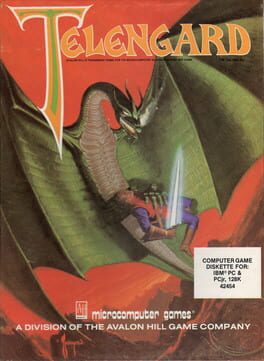
Telengard is an early dungeon‑crawling role‑playing game that drops you into a massive 50‑level underground labyrinth. You control a single adventurer with randomly rolled attributes and explore 200‑by‑200 room levels, battling monsters that can act in real time or turn‑based mode. The game rewards both combat and treasure hunting, offering spell progression, random chests, and interactive features like altars and friendly creatures that react to your Charisma. Its simple graphics and deep mechanics have made it a nostalgic favorite for RPG fans.
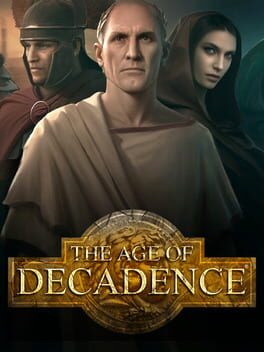
The Age of Decadence is a pseudo‑isometric 3D turn‑based role‑playing game set in a grim, low‑magic world inspired by the fall of the Roman Empire. Players navigate a shattered landscape of rival factions, ancient mysteries, and brutal politics, shaping the story through deep dialogue trees and consequential actions.\n\nDesigned by Iron Tower Studio, the game emphasizes strategic combat, extensive skill customization, and multiple solutions to quests, offering seven distinct endings and a world that reacts dynamically to the player’s decisions.
- Deep, procedurally generated dungeon
- Multiple combat modes
- Rich attribute and spell system
- High replayability
- Deep, consequence‑rich dialogue system
- Robust skill and class customization
- Multiple quest solutions encourage replayability
- Rich, immersive world inspired by historical collapse
- Very simple graphics by modern standards
- Steep learning curve for attribute management
- Limited documentation and tutorials
- Steep learning curve for new players
- Limited visual polish compared to modern titles
- Sparse tutorial leaves some mechanics unclear
More alternatives & similar tools
Alternatives to Telengard
View all →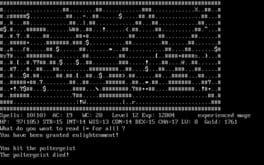
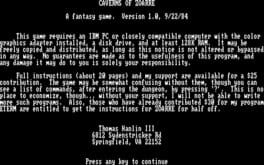
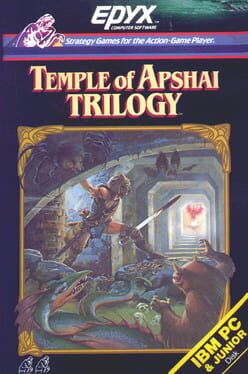
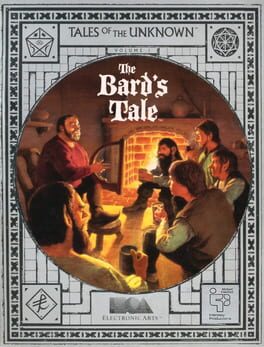
Classic 1985 dungeon‑crawl RPG that pits heroes against the evil wizard Mangar.
Alternatives to The Age of Decadence
View all →No alternatives listed yet. Browse similar tools →
The Verdict
AI-generated from listing dataBoth games cost $19.99 and are single‑player, but Age of Decadence offers deep, consequence‑driven narrative RPG mechanics, while Telengard delivers a retro, procedurally generated dungeon crawl.
Key differences
- •Setting: post‑apocalyptic empire vs classic fantasy dungeon.
- •Combat: fully turn‑based tactical positioning vs optional real‑time or turn‑based combat.
- •Narrative depth: extensive branching dialogue and multiple endings vs attribute‑driven progression with minimal story.
- •Content scale: 7 distinct endings and faction choices vs a massive 50‑level, 200×200 room random dungeon.
- •Graphics: limited modern polish vs very simple retro graphics.
Gameplay & fun factor
Age of Decadence provides deep skill trees, faction politics, and branching quests, offering richer RPG experiences.
Platform availability
No platform information provided for either title; both are listed as single‑player only.
Price & value
Both are priced at $19.99 with one‑time purchase models.
Multiplayer / co‑op
Both products are single‑player only.
Content & replayability
Age of Decadence offers multiple endings and quest paths; Telengard offers a huge procedurally generated dungeon—different but comparable replay value.
Difficulty & accessibility
Both have steep learning curves and limited tutorials or documentation.
Graphics & performance
Age of Decadence, despite modest polish, is newer (2015) and visually superior to Telengard’s very simple retro graphics.
Choose Telengard if…
Players who prefer retro, high‑replayability dungeon crawling with simple graphics and optional real‑time combat.
Choose The Age of Decadence if…
Players who crave deep narrative choices, faction politics, and tactical combat, and can handle a steep learning curve.
Common questions
Do both games cost the same?
Yes, each is priced at $19.99 as a one‑time purchase.
Which game has more modern graphics?
Age of Decadence (2015) has more modern graphics, though still described as limited visual polish.
Is there any multiplayer option?
No, both titles are single‑player only.