


Total War: Rome II vs Hearts of Iron II
Side-by-side comparison of features, pricing, ratings, and alternatives.
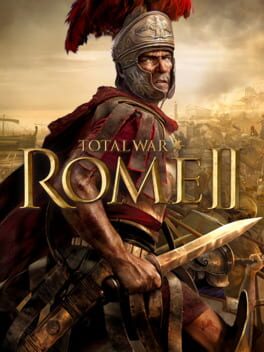
Total War: Rome II immerses players in the ancient world, blending deep turn‑based empire management with cinematic real‑time battles. Command armies, forge alliances, and shape the destiny of the Roman Republic through military, economic, and political strategies. The game challenges you to balance internal politics, external threats, and the ambitions of your generals, offering a rich historical experience that rewards both tactical prowess and diplomatic cunning.
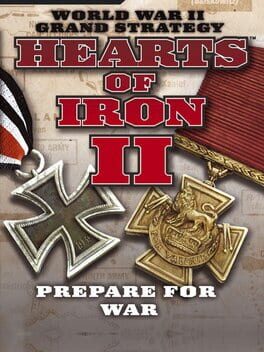
Hearts of Iron II is a grand strategy game that places players in absolute control of one of 175 countries through the turbulent eras of World War II and the ensuing potential clash between the Allies and the Soviet Union. Managing political, economic, diplomatic, and military affairs, players must navigate intricate historical and alternate-history scenarios as the fate of the world hangs in the balance. Developed and published by Paradox Interactive, the title offers deep strategic simulation where every decision impacts global supremacy. Whether building up industrial capacity, researching advanced military doctrines, or orchestrating massive multi-front land, air, and naval campaigns, players experience unparalleled historical depth and replayability across single-player and multiplayer modes.
- Deep strategic depth across turn‑based and real‑time layers
- Rich historical detail and authentic unit models
- Robust multiplayer and co‑op options
- Extensive modding community
- Incredible historical depth and scope
- High replay value with 175 playable countries
- Detailed economic and military management systems
- Engaging alternate history possibilities
- Steep learning curve for new players
- Occasional performance issues in large battles
- AI can be inconsistent in diplomatic negotiations
- Steep learning curve for new players
- Dated user interface by modern standards
- Can require significant time investment per campaign
More alternatives & similar tools
Alternatives to Total War: Rome II
View all →Alternatives to Hearts of Iron II
View all →
A grand strategy game spanning the darkest chapters of the 20th century.
The ultimate World War II simulation built by fans and modders of Hearts of Iron.
The Verdict
AI-generated from listing dataTotal War: Rome II offers deep Roman‑era battles and co‑op at a higher price, while Hearts of Iron II delivers broader WWII grand‑strategy scope, better reviews, and far cheaper cost.
Key differences
- •Historical focus: Rome II centers on ancient Rome; HoI II covers WWII with 175 nations.
- •Co‑op multiplayer: Rome II includes cooperative play; HoI II does not.
- •Price & value: Rome II costs $59.99; HoI II costs $9.99.
- •Critical reception: Rome II 72/100 vs HoI II 84/100.
- •Content breadth: HoI II offers many more playable countries and theater types.
Pricing & value
HoI II is $9.99 versus Rome II $59.99, giving far more bang for the buck.
Gameplay & fun factor
Rome II blends turn‑based empire management with massive real‑time battles, adding tactical variety.
Multiplayer / co‑op
Rome II supports both multiplayer and cooperative modes; HoI II lacks co‑op.
Content & replayability
HoI II features 175 playable nations and multi‑theater warfare, offering broader replay options.
Difficulty & accessibility
Both titles are noted for steep learning curves for new players.
Graphics & performance
No specific graphics or performance data provided for either game.
Choose Total War: Rome II if…
Fans of ancient Rome, who want co‑op battles and can afford a premium price.
Choose Hearts of Iron II if…
Budget‑conscious players seeking expansive WWII grand‑strategy with many nations and higher reviews.
Common questions
Which game is cheaper?
Hearts of Iron II costs $9.99; Total War: Rome II costs $59.99.
Do both games support co‑op multiplayer?
Only Total War: Rome II offers cooperative multiplayer; Hearts of Iron II does not.
Which title has a higher critic score?
Hearts of Iron II has a critic score of 84/100, compared to Rome II's 72/100.