


10th Frame vs Ten Pin Alley 2
Side-by-side comparison of features, pricing, ratings, and alternatives.
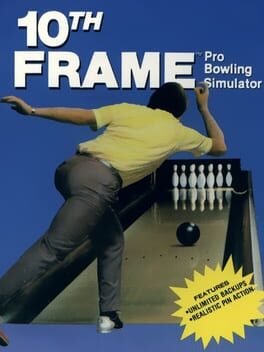

10th Frame is a classic bowling simulation that lets you compete with up to seven other players or enjoy a solo game. Despite its dated graphics, the gameplay remains engaging and accessible for both newcomers and seasoned bowlers. Choose between Open Bowling for casual play or League mode for a more structured experience, and adjust difficulty to match your skill level. It's a nostalgic party game that still delivers satisfying bowling action.
Ten Pin Alley 2 brings classic bowling to the Game Boy Advance with a straightforward four-click system that lets you choose position, aim, power, and hook. Play solo against AI opponents or practice with up to three friends on the same device. The game features eight distinct competitors, four different alleys, and a tournament mode that pits you against three computer rivals, delivering a quick yet competitive bowling experience on a 32‑megabit cartridge.
- Supports up to eight players
- Multiple game modes
- Adjustable difficulty
- Simple, intuitive controls
- Simple, intuitive four‑click control scheme
- Variety of alleys and competitors
- Local multiplayer on a single device
- Compact cartridge size for portable play
- Outdated graphics
- Limited platform availability
- No online multiplayer
- Limited to handheld GBA hardware
- No online multiplayer or leaderboards
- Graphics are basic by modern standards
More alternatives & similar tools
Alternatives to 10th Frame
View all →
Experience Tennis, Baseball, Golf, Bowling and Boxing with intuitive motion controls.
Alternatives to Ten Pin Alley 2
View all →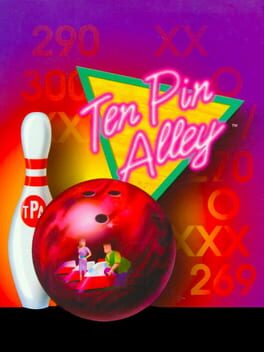
The Verdict
AI-generated from listing dataBoth are low‑budget, local‑only bowling games, but 10th Frame offers more players and modes on retro PC, while Ten Pin Alley 2 is a portable GBA title with a simpler four‑click control scheme.
Key differences
- •Maximum local players: 8 vs. 4
- •Platform: PC (1986) vs. Game Boy Advance (2004)
- •Control scheme: simple joystick/buttons vs. four‑click sequence
- •Game modes: League and Open Bowling vs. tournament mode only
- •Critical reception: not listed vs. 30/100 score
Gameplay & fun factor
10th Frame includes League, Open Bowling, and varied difficulty, offering broader play styles than Alley 2’s single tournament mode.
Platform availability
Ten Pin Alley 2 runs on handheld GBA, giving true portable play; 10th Frame limited to its original PC platform.
Price & value
Both are one‑time paid titles; price amounts are not specified, so value cannot be compared.
Multiplayer / co‑op
10th Frame supports up to eight local players, double the four‑player limit of Alley 2.
Content & replayability
Multiple modes, league tracking, and eight‑player support give more long‑term replay than Alley 2’s limited tournament.
Difficulty & accessibility
10th Frame offers adjustable difficulty settings; Alley 2 relies on preset AI opponents only.
Graphics & performance
Alley 2’s graphics are basic but optimized for GBA hardware; 10th Frame’s retro 1980s graphics are outdated for modern systems.
Choose 10th Frame if…
Players who want the biggest local group, multiple modes, and deeper score tracking on PC.
Choose Ten Pin Alley 2 if…
Anyone needing a portable, handheld bowling game with a quick four‑click control scheme.
Common questions
Can I play either game online with friends?
No. Both titles only support local multiplayer; neither offers online play.
Which game has better critical reception?
Only Ten Pin Alley 2 lists a critic score (30/100); 10th Frame’s score is not specified.
Do either games support more than four players?
Yes, 10th Frame supports up to eight local players; Ten Pin Alley 2 caps at four.