


1943: The Battle of Midway vs 1944: The Loop Master
Side-by-side comparison of features, pricing, ratings, and alternatives.
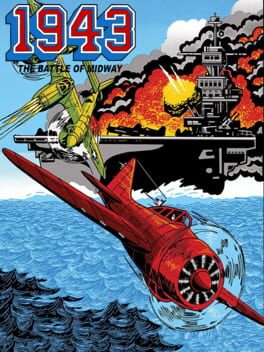
Set in the Pacific theater of World War II, players pilot a P‑38 to take down Japanese air and sea forces across 16 intense levels. The mission culminates in a showdown with the massive battleship Yamato. Featuring a single‑life system with a refillable energy meter, power‑up formations and boss battles, the game delivers fast‑paced arcade action reminiscent of its predecessor, 1942.
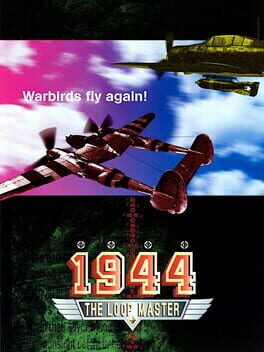
Step into the cockpit of a super ace pilot and battle through the heated skies of 1944. Each level pits you against waves of enemy planes, tanks, trains, turrets, and battleships, culminating in a challenging boss fight. The game captures the fast‑paced action of classic arcade shooters while adding modern co‑op and multiplayer options. Unlike its predecessor, 19XX: The War Against Destiny, 1944: The Loop Master returns to the series’ roots with straightforward, high‑intensity shooting mechanics and retro graphics that appeal to both nostalgic players and newcomers seeking pure arcade fun.
- Fast‑paced, addictive gameplay
- Distinct boss battles each level
- Simple yet deep two‑button control scheme
- Retro visuals and authentic sound design
- Fast‑paced, addictive gameplay
- Rich variety of enemy types and bosses
- Co‑op and multiplayer options
- Retro pixel art with polished sound design
- Limited lives can be unforgiving for newcomers
- No modern save or checkpoint system
- Graphics may feel dated to new players
- Limited platform availability (PC only)
- Difficulty spikes may deter casual players
- No official DLC or post‑release content
More alternatives & similar tools
Alternatives to 1943: The Battle of Midway
View all →
Soar the 1941 skies, blast foes and power‑up in this classic arcade shooter.
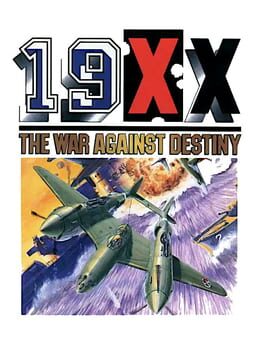
A lone pilot battles a looming war in classic vertical shooter action
Alternatives to 1944: The Loop Master
View all →A lone pilot battles a looming war in classic vertical shooter action
Soar the 1941 skies, blast foes and power‑up in this classic arcade shooter.
The Verdict
AI-generated from listing dataIf you want richer content, unlocks and leaderboards and don’t mind a higher price, go with 1944; if you prefer a cheaper, classic arcade experience, 1943 is the safer default.
Key differences
- •Price: $19.99 vs $9.99
- •Content depth: 1944 offers multiple aircraft/vehicles, hidden ships, power‑ups and global leaderboards; 1943 has a fixed 16‑level run.
- •Platform scope: 1944 is confirmed PC‑only; 1943’s platform isn’t specified.
- •Control scheme: 1944 uses varied weapons per craft; 1943 uses a simple two‑button system.
- •Difficulty style: 1944 has spikes that may deter casuals; 1943’s limited lives can be unforgiving.
Pricing & value
1943 costs $9.99, half the price of 1944’s $19.99.
Platform availability
1944 is PC‑only; 1943’s platform isn’t listed, so no clear advantage.
Gameplay & fun factor
1944 provides varied aircraft/vehicles, ground units and boss memorization, adding more tactical variety.
Multiplayer / co‑op
Both support single‑player, multiplayer and cooperative modes.
Content & replayability
1944 includes unlockable ships, power‑ups and global leaderboards; 1943 offers a fixed 16‑level set.
Difficulty & accessibility
Both have steep challenges: 1944 spikes, 1943 limited lives; neither is clearly easier.
Graphics & performance
1944’s detailed pixel art is described as polished; 1943’s graphics are noted as potentially dated.
Choose 1943: The Battle of Midway if…
Budget‑focused arcade fans who prefer a simple two‑button shooter and don’t need extra content.
Choose 1944: The Loop Master if…
Players who want deeper variety, unlocks and leaderboards and are okay paying more, on PC.
Common questions
Which game is cheaper?
1943: The Battle of Midway costs $9.99, while 1944: The Loop Master costs $19.99.
Do both games support co‑op play?
Yes, each lists single‑player, multiplayer and cooperative modes.
Is there more post‑release content in either title?
1944 mentions unlockable ships, power‑ups and leaderboards; 1943 notes no DLC or post‑release content.