


2006 FIFA World Cup vs 2014 FIFA World Cup Brazil
Side-by-side comparison of features, pricing, ratings, and alternatives.
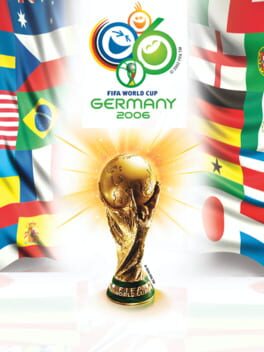

The game offers a Global Challenge mode that recreates historic World Cup scenarios, plus up to eight-way multiplayer and split‑screen action. Unlock legendary players and exclusive apparel as you compete in authentic venues.
Experience the excitement of the 2014 FIFA World Cup in Brazil, guiding your chosen national team through the tournament’s drama and triumph. The game captures the atmosphere of the real event with authentic stadiums, licensed teams, and realistic graphics. Play solo or with friends in split‑screen mode on PlayStation 3 or Xbox 360, and enjoy both single‑player campaigns and competitive multiplayer matches that bring the world’s biggest football stage to your living room.
- Extensive roster of 127 national teams
- Authentic stadiums and official licensing
- Robust multiplayer options up to eight players
- Engaging Global Challenge mode
- Authentic World Cup atmosphere
- Licensed teams and players
- Split‑screen multiplayer on console
- Deep career management
- Graphics are dated by modern standards
- Limited online functionality
- Controls can feel clunky on PS2
- Limited to PS3 and Xbox 360
- No next‑gen graphics upgrades
- Online servers may be inactive
More alternatives & similar tools
Alternatives to 2006 FIFA World Cup
View all →
Experience the thrill of the 2010 World Cup with 199 nations and iconic stadiums.
Lead your nation to World Cup glory in the ultimate football showdown.
Alternatives to 2014 FIFA World Cup Brazil
View all →
Build your dream roster with legends and create custom players for ultimate football action.
The Verdict
AI-generated from listing dataIf you want newer World Cup teams and stadiums on PS3/Xbox 360 and can pay a bit more, go with 2014 FIFA World Cup Brazil; for higher critical acclaim, cheaper price, and broader local multiplayer (up to 8 players) on older consoles, choose 2006 FIFA World Cup.
Key differences
- •Release year and team roster: 2014 features the 32 qualified nations of that tournament; 2006 includes 127 licensed national teams from the qualifiers.
- •Graphics and performance: 2014 runs on PS3/Xbox 360 with smoother gameplay; 2006 has dated graphics and clunky PS2 controls.
- •Multiplayer capacity: 2006 supports up to eight local players; 2014 only offers split‑screen (2 players).
- •Critical reception: 2006 scored 85/100 versus 76/100 for 2014.
- •Price: 2006 costs $49.99, 2014 costs $59.99.
Gameplay & fun factor
Higher critic score (85 vs 76) suggests more polished and enjoyable gameplay in the 2006 title.
Platform availability
2006 runs on older consoles (including PS2) and PC, while 2014 is limited to PS3 and Xbox 360.
Price & value
2006 is $10 cheaper ($49.99 vs $59.99) and offers more teams and multiplayer capacity.
Multiplayer / co‑op
2006 supports up to eight local players; 2014 only offers split‑screen (2 players).
Content & replayability
2006 includes 127 national teams and a Global Challenge mode; 2014 limits to 32 nations and lacks such mode.
Difficulty & accessibility
2014 targets casual gamers with a deep career mode and split‑screen, while 2006’s controls are noted as clunky on PS2.
Graphics & performance
2014 runs on newer hardware (PS3/Xbox 360) offering smoother gameplay than the dated graphics of 2006.
Choose 2006 FIFA World Cup if…
Players who prioritize lower price, higher reviews, extensive team list, and larger local multiplayer.
Choose 2014 FIFA World Cup Brazil if…
Fans wanting the latest World Cup roster, smoother graphics on PS3/Xbox 360, and a career mode.
Common questions
Which game offers more teams to play with?
2006 FIFA World Cup includes 127 licensed national teams; 2014 FIFA World Cup Brazil includes only the 32 qualified nations.
Can I play with more than two friends locally?
Yes, 2006 supports up to eight local players; 2014 only supports split‑screen for two players.
Is the newer game worth the extra $10?
The 2014 version has newer graphics and a career mode but lower critic score and fewer teams; value depends on whether you prioritize graphics/roster recency over price and content depth.