


2400 A.D. vs Xenomorph
Side-by-side comparison of features, pricing, ratings, and alternatives.
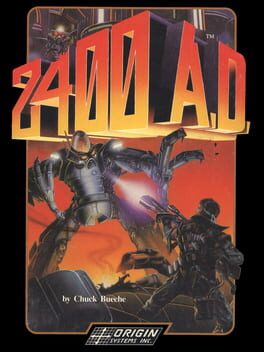
Set in the year 2400, the city of Metropolis has fallen under the control of the alien Tzorg. As a lone operative, you must navigate the neon‑lit streets, uncover the hidden resistance, and rally the citizens against the invaders. Using Origin Systems' classic Ultima IV engine, the game blends turn‑based combat with deep role‑playing choices, delivering a retro sci‑fi adventure that rewards exploration and strategic planning.
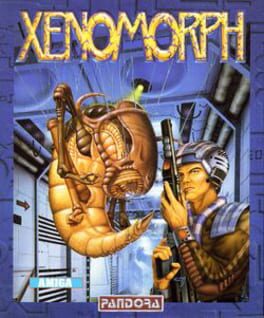
You awaken aboard a crippled spacecraft stranded near the abandoned Atargis mining station. Your only hope is to scavenge parts, fix critical systems, and uncover the dark secrets lurking within the derelict tunnels. As you explore, you confront terrifying alien entities and make choices that shape your fate, blending classic RPG mechanics with tense sci‑fi horror storytelling.
- Deep, branching storyline
- Strategic turn‑based combat
- Rich retro pixel art
- Multiple endings increase replay value
- Deep atmospheric storytelling
- Engaging resource‑management mechanics
- Multiple narrative endings
- Distinct retro visual style
- Limited to single‑player mode
- Dated user interface by modern standards
- Sparse documentation for complex mechanics
- Limited combat variety
- Sparse save system
- Occasional obscure puzzles
More alternatives & similar tools
Alternatives to 2400 A.D.
View all →

Alternatives to Xenomorph
View all →
A groundbreaking sci‑fi horror RPG that blends shooter action with deep role‑playing mechanics.

The Verdict
AI-generated from listing dataBoth are retro sci‑fi RPGs priced the same, but Xenomorph leans toward atmospheric survival puzzles, while 2400 A.D. focuses on strategic turn‑based combat and city exploration.
Key differences
- •Xenomorph emphasizes resource‑management (oxygen, power) and environmental puzzles; 2400 A.D. emphasizes tactical turn‑based combat.
- •Narrative setting: Xenomorph is a claustrophobic ship‑repair horror; 2400 A.D. is an open‑world Metropolis with alien factions.
- •Combat variety: Xenomorph has limited combat options; 2400 A.D. offers positioning‑based, equipment‑driven battles.
- •Save system: Xenomorph notes a sparse save system; 2400 A.D. does not mention save limitations.
- •Engine heritage: Xenomorph is a 1990 Pandora title; 2400 A.D. runs on the Ultima IV engine from 1987 Origin Systems.
Pricing & value
Both are paid one‑time titles with no subscription or DLC mentioned.
Gameplay & fun factor
2400 A.D. offers strategic turn‑based combat with positioning, which adds tactical depth beyond Xenomorph's limited combat.
Platform availability
Neither product lists specific platforms; availability cannot be distinguished from the provided data.
Multiplayer / co‑op
Both are single‑player only.
Content & replayability
Xenomorph provides multiple narrative endings and branching outcomes tied to resource decisions.
Difficulty & accessibility
2400 A.D. mentions sparse documentation, which may hinder accessibility; Xenomorph’s puzzles are described as occasional obscure, but overall less complex.
Graphics & performance
Both use retro pixel‑art styles; no performance metrics are provided.
Choose 2400 A.D. if…
Players who want tactical turn‑based combat and a larger city‑exploration experience.
Choose Xenomorph if…
Players who prioritize atmospheric horror, resource management, and multiple story endings.
Common questions
Is either game multiplayer?
No, both Xenomorph and 2400 A.D. are single‑player only.
Which game offers more combat depth?
2400 A.D. provides strategic turn‑based combat with positioning and equipment choices; Xenomorph has limited combat variety.
Do both games have the same price model?
Yes, each is a paid one‑time purchase with no subscription or additional fees mentioned.