


7 Days to Die vs Rust
Side-by-side comparison of features, pricing, ratings, and alternatives.

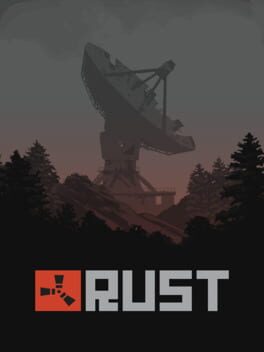
Awaken with only the basics and use rocks, wood, and bones to forge primitive tools, weapons, and clothing. Build forts, forge metal, and master character growth to thrive—or perish—in the relentless fight for survival.
Rust drops you onto a procedurally generated island where you must manage hunger, thirst, and health while fending off wildlife and hostile players. Starting with only a rock and torch, you gather resources to craft tools, weapons, and shelters. Form clans, raid bases, or go solo in a persistent world that resets regularly, offering endless challenges and emergent gameplay for survival enthusiasts.
- Deep crafting and building systems
- Rich open‑world exploration
- Intense zombie horde mechanics
- Multiplatform multiplayer options
- Deep crafting and building systems
- High player interaction and emergent gameplay
- Regular world wipes keep content fresh
- Steep learning curve for new players
- Performance issues on lower‑end hardware
- Critically low review scores
- Steep learning curve for new players
- Server performance can vary
- Griefing and raiding can be frustrating
More alternatives & similar tools
Alternatives to 7 Days to Die
View all →
Alternatives to Rust
View all →
The Verdict
AI-generated from listing dataRust offers higher critical acclaim, a larger persistent multiplayer world, and regular content refresh, while 7 Days to Die provides split‑screen co‑op and unique procedural maps but suffers from performance and low review scores.
Key differences
- •Multiplayer scope: Rust is a massive online MMO; 7 Days to Die supports split‑screen local co‑op only.
- •World persistence: Rust features a continuously evolving server world with regular wipes; 7 Days to Die uses procedurally generated solo or small‑group maps.
- •Critical reception: Rust scores 78/100 versus 36/100 for 7 Days to Die.
- •Destructibility: Rust’s environment is fully destructible, enabling base raiding; 7 Days to Die has building but less emphasis on destruction.
- •Pricing detail: Rust’s MSRP is $39.99; 7 Days to Die’s price is not specified.
Gameplay & fun factor
Rust’s emergent player interaction, raids, and destructible world are praised (78 score) versus 7 Days' lower score and performance issues.
Platform availability
7 Days to Die offers split‑screen co‑op and multiple multiplayer modes; Rust is online‑only MMO.
Price & value
Rust lists a clear MSRP of $39.99; 7 Days to Die price is not provided, making value assessment unclear.
Multiplayer / co‑op
7 Days to Die includes local split‑screen co‑op, a feature Rust lacks.
Content & replayability
Rust’s regular world wipes and dynamic economy create ongoing fresh content; 7 Days relies on procedural maps only.
Difficulty & accessibility
Both have steep learning curves for new players.
Graphics & performance
Rust has no noted performance issues; 7 Days to Die reports performance problems on lower‑end hardware.
Choose 7 Days to Die if…
Players who want local couch co‑op and enjoy building without massive online competition.
Choose Rust if…
Players seeking a thriving online community, regular updates, and higher critical quality.
Common questions
Which game is cheaper?
Rust’s price is listed at $39.99; 7 Days to Die’s price is not specified in the provided data.
Can I play with friends on the same screen?
Yes, 7 Days to Die supports split‑screen co‑op; Rust does not offer local split‑screen.
Which game has better reviews?
Rust has a critic score of 78/100, while 7 Days to Die has a critic score of 36/100.