


Abandoned Places: A Time for Heroes vs Amberstar
Side-by-side comparison of features, pricing, ratings, and alternatives.
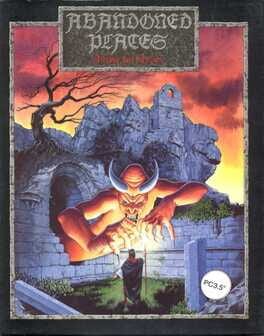
Abandoned Places: A Time for Heroes is a 1992 fantasy RPG where you control four heroes on a mission to stop the evil arch‑mage Bronagh and save the world of Kalynthia. The game blends a 2D top‑down overworld with 3D real‑time dungeon crawling reminiscent of Dungeon Master, offering a sandbox feel and plenty of side activities beyond the main quest. The interface lets you travel to towns by clicking symbols for services like healing or hints, while combat is point‑and‑click: select a weapon or spell, then click the monster, with cooldown timers after each use. This mix of exploration, party management, and real‑time action creates a deep, nostalgic adventure for solo players.
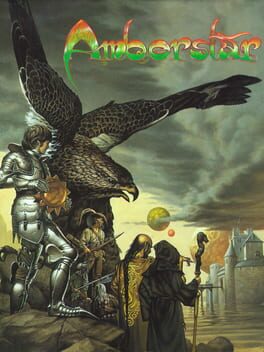
Set a thousand years ago in the world of Lyramion, Amberstar follows the hero's quest to prevent the resurrection of Lord Tarbos, the God of Chaos. The story unfolds as the black magus Marmion attempts to free Tarbos from his lunar prison, threatening the realm with darkness. Explore a richly detailed fantasy world, battle fierce warriors and monsters, solve intricate puzzles, and uncover hidden treasures. The game blends classic role‑playing mechanics with strategic combat and a deep narrative, delivering a nostalgic yet challenging experience for fans of early 90s RPGs.
- Rich open‑world exploration
- Blend of 2D and 3D perspectives
- Simple yet engaging point‑and‑click combat
- Deep party customization
- Deep fantasy narrative with memorable characters.
- Strategic turn‑based combat adds tactical depth.
- Extensive world exploration with varied environments.
- Challenging puzzles that reward clever thinking.
- Dated graphics may not appeal to modern eyes
- Limited UI feedback during cooldowns
- No multiplayer or co‑op options
- Dated graphics may not appeal to modern gamers.
- Limited user interface can feel clunky.
- No multiplayer or co‑op options.
More alternatives & similar tools
Alternatives to Abandoned Places: A Time for Heroes
View all →
Embark on a classic fantasy RPG quest in a sprawling adventure.
Embark on a classic quest to defeat the Dragonlord and rescue the kidnapped princess.
Alternatives to Amberstar
View all →
Recapture the deep sense of exploration and classic RPG adventure in a new fantasy realm.

13 peasants take on elite martial artists in a hopeful indie RPG adventure.
The Verdict
AI-generated from listing dataBoth are classic 1992 single‑player RPGs at the same price, but A offers real‑time combat with a four‑hero party, while B provides turn‑based tactical combat and richer puzzles.
Key differences
- •Combat style: A uses real‑time click‑to‑attack; B uses turn‑based tactical combat.
- •Party system: A lets you control four distinct heroes; B’s party size isn’t specified.
- •Dungeon presentation: A mixes 2D overworld with 3D split‑screen dungeons; B stays in pixel‑art top‑down view.
- •Puzzle focus: B highlights complex puzzles; A only mentions side quests and hidden items.
- •UI feedback: A notes limited cooldown UI; B notes a clunky interface overall.
Gameplay & fun factor
Both offer engaging classic RPG loops; choice hinges on preference for real‑time vs turn‑based combat.
Platform availability
Both run on classic PC hardware from the early 90s; no modern platform info provided.
Pricing & value
Both priced at $49.99 one‑time with identical release dates.
Multiplayer / co‑op
Both are single‑player only.
Content & replayability
B mentions extensive puzzles, non‑linear progression, and hundreds of items, suggesting deeper replay value.
Difficulty & accessibility
A’s simple click‑to‑attack system is likely more accessible than B’s tactical turn‑based combat.
Graphics & performance
A mixes 2D and 3D perspectives, offering visual variety beyond B’s uniform pixel‑art style.
Choose Abandoned Places: A Time for Heroes if…
Players who prefer fast, real‑time combat and managing a four‑hero party.
Choose Amberstar if…
Players who enjoy tactical turn‑based battles, puzzles, and non‑linear exploration.
Common questions
Do both games support modern operating systems?
Not specified; they were designed for early‑90s PC hardware.
Is there any multiplayer or co‑op option?
No; both are single‑player only.
Which game offers more content variety?
B emphasizes complex puzzles, non‑linear progression, and hundreds of items, suggesting broader content variety.