


Amberstar vs Realms of Arkania: Star Trail
Side-by-side comparison of features, pricing, ratings, and alternatives.
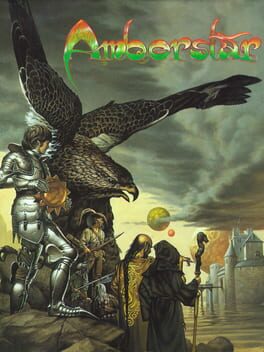
Set a thousand years ago in the world of Lyramion, Amberstar follows the hero's quest to prevent the resurrection of Lord Tarbos, the God of Chaos. The story unfolds as the black magus Marmion attempts to free Tarbos from his lunar prison, threatening the realm with darkness. Explore a richly detailed fantasy world, battle fierce warriors and monsters, solve intricate puzzles, and uncover hidden treasures. The game blends classic role‑playing mechanics with strategic combat and a deep narrative, delivering a nostalgic yet challenging experience for fans of early 90s RPGs.
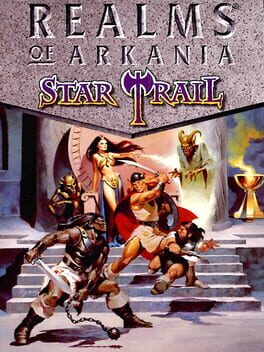
Set in the richly detailed world of Arkania, this classic 1994 role‑playing adventure puts you in command of a party tasked with thwarting a massive Orc invasion. With turn‑based combat, deep character development, and an open‑world map, players explore a fantasy realm filled with intrigue and danger. The game blends strategic party management with a narrative‑driven quest line, offering a nostalgic experience for fans of early RPGs while remaining accessible on modern Linux, PC, and Mac platforms.
- Deep fantasy narrative with memorable characters.
- Strategic turn‑based combat adds tactical depth.
- Extensive world exploration with varied environments.
- Challenging puzzles that reward clever thinking.
- Deep character customization
- Strategic turn‑based combat
- Rich, immersive fantasy world
- Cross‑platform compatibility
- Dated graphics may not appeal to modern gamers.
- Limited user interface can feel clunky.
- No multiplayer or co‑op options.
- Dated graphics by modern standards
- Steep learning curve for newcomers
- Limited UI conveniences
More alternatives & similar tools
Alternatives to Amberstar
View all →
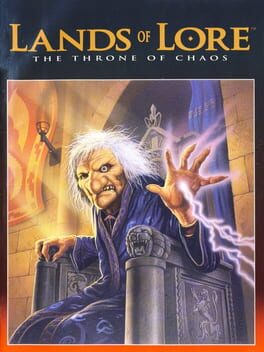
Journey through time‑warped realms to stop the Mad God Tarjan.
Embark on a heroic quest to save a dying king and defeat an immortal sorceress.
Alternatives to Realms of Arkania: Star Trail
View all →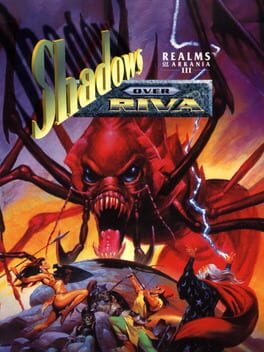
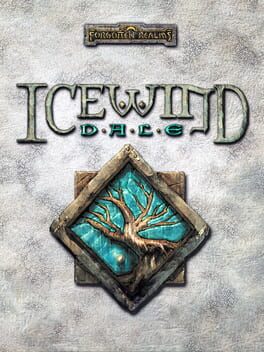
Sinister forces haunt Riva in this classic 3D fantasy RPG.
The Verdict
AI-generated from listing dataBoth are classic single‑player turn‑based RPGs at the same price, but Realms of Arkania offers deeper party customization while Amberstar emphasizes puzzles and non‑linear exploration.
Key differences
- •Realms of Arkania supports a customizable party of up to six characters; Amberstar focuses on a single hero experience.
- •Amberstar includes complex dungeon puzzles and non‑linear quest order; Realms of Arkania does not highlight puzzles.
- •Release year: Realms of Arkania (1994) is newer than Amberstar (1992), implying slightly more refined mechanics.
- •Graphics style: Realms of Arkania uses isometric tile‑based visuals; Amberstar uses pixel‑art graphics.
Gameplay & fun factor
Realms offers deeper party customization and turn‑based tactics, appealing to strategy‑focused players.
Platform availability
Realms runs on Linux, Windows, and macOS; Amberstar lists only single‑player without specified OS support.
Price & value
Both are priced at $49.99 with comparable single‑player content.
Multiplayer / co‑op
Both are single‑player only.
Content & replayability
Amberstar’s non‑linear progression and puzzle variety give more varied replay routes.
Difficulty & accessibility
Amberstar’s puzzles add challenge but also optional routes; Realms has a steep learning curve overall.
Graphics & performance
Amberstar’s pixel‑art is generally considered more visually appealing than Realms’ dated isometric graphics.
Choose Amberstar if…
Players who enjoy puzzles, non‑linear quests, and retro pixel art.
Choose Realms of Arkania: Star Trail if…
Players who want deep party building and strategic combat.
Common questions
Do either games support modern operating systems?
Realms of Arkania lists compatibility with Linux, Windows, and macOS; Amberstar does not specify OS support.
Which game has more content variety?
Amberstar offers large open world, diverse regions, and many puzzles, providing varied activities beyond combat.
Is there any multiplayer option?
Both games are single‑player only.