


Advanced Dungeons & Dragons: Treasure of Tarmin vs Wizardry: Proving Grounds of the Mad Overlord
Side-by-side comparison of features, pricing, ratings, and alternatives.
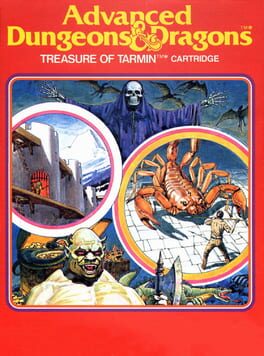
In Treasure of Tarmin, players explore a sprawling underground lair composed of maze‑like chambers and surrounding hallways. Each level presents new monsters wielding conventional or spiritual weapons, demanding careful resource management and strategic combat. The ultimate goal is to confront and defeat the fearsome Minotaur guarding the coveted Treasure of Tarmin. Gather defenses, conserve your supplies, and claim the treasure before the Minotaur overwhelms you.
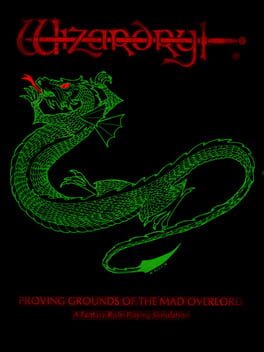
Choose from four base classes and evolve into elite roles like Bishop, Samurai, Lord, or Ninja, then explore a 3‑D vector maze filled with monsters, puzzles, and hidden secrets. The game blends classic RPG mechanics with a rich fantasy narrative, offering a challenging single‑player experience that defined the genre in the early 1980s.
- Deep maze design with multiple tiers
- Strategic turn‑based combat
- Authentic retro graphics and sound
- Clear single‑player objective
- Deep party customization
- Rich class evolution system
- Challenging multi‑level dungeon
- Historical significance in RPG genre
- Limited replayability after defeating the Minotaur
- Sparse narrative beyond the core quest
- Controls can feel dated on modern hardware
- Outdated user interface
- Limited graphics by modern standards
- Steep learning curve for new players
More alternatives & similar tools
Alternatives to Advanced Dungeons & Dragons: Treasure of Tarmin
View all →Classic turn‑based dungeon crawl with 10‑level labyrinth of mythic depth

Alternatives to Wizardry: Proving Grounds of the Mad Overlord
View all →

The epic conclusion to the classic Wizardry saga, blending deep role‑playing with a rich fantasy world.

Play as the evil Archmage seeking revenge in a deadly labyrinth
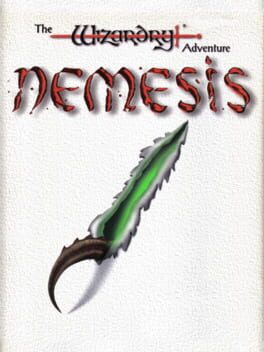
Explore a haunted fantasy world where ancient talismans hold deadly power
The Verdict
AI-generated from listing dataBoth are classic turn‑based dungeon crawlers, but Wizardry offers deeper class evolution and larger party management, while Treasure of Tarmin focuses on a single‑objective maze with tighter retro presentation.
Key differences
- •Wizardry supports up to six party members with evolving classes; Treasure of Tarmin centers on a solo quest.
- •Wizardry features a ten‑level 3D vector maze; Treasure of Tarmin uses multi‑tiered pixel‑art mazes.
- •Wizardry’s graphics are 1981 era vector; Treasure of Tarmin uses 1980s pixel art and chiptune soundtrack.
- •Wizardry has no disclosed price; Treasure of Tarmin lists a $29.99 MSRP.
- •Replayability: Wizardry’s class evolution and larger dungeon encourage multiple runs; Treasure of Tarmin ends after defeating the Minotaur.
Gameplay & fun factor
Wizardry offers party customization and class evolution, adding strategic depth beyond Treasure's single‑objective maze.
Content & replayability
Wizardry’s ten‑level dungeon and six‑character party provide more varied experiences than Treasure’s single‑goal quest.
Price & value
Treasure of Tarmin lists a clear $29.99 price; Wizardry’s cost is unspecified, making value comparison impossible.
Multiplayer / co‑op
Both are single‑player only.
Difficulty & accessibility
Wizardry notes a steep learning curve but offers richer mechanics; Treasure is noted as having dated controls but simpler objective.
Graphics & performance
Treasure uses pixel‑art graphics and chiptune soundtrack, generally more appealing to retro eyes than Wizardry’s 1981 vector graphics.
Choose Advanced Dungeons & Dragons: Treasure of Tarmin if…
Players who prefer a concise, single‑goal retro maze with clear pricing and nostalgic pixel art.
Choose Wizardry: Proving Grounds of the Mad Overlord if…
Players who want deep party building, class progression, and extensive dungeon exploration.
Common questions
What is the price of Wizardry: Proving Grounds?
The price is not specified in the provided information.
Can I play either game with friends?
Both are single‑player only; no multiplayer or co‑op modes are listed.
Which game offers more replay value?
Wizardry provides more replayability through its ten‑level dungeon and six‑character class evolution system.