


Afterlife vs Dungeon Keeper 2
Side-by-side comparison of features, pricing, ratings, and alternatives.
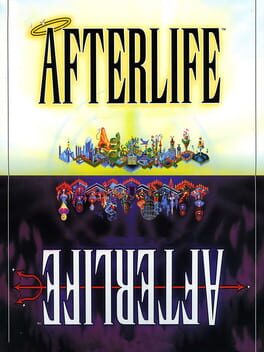
Afterlife puts you in charge of the Department of Death, where you manage souls, build facilities, and keep the afterlife running smoothly. With a blend of strategy and comedy, you’ll balance budgets, upgrade amenities, and deal with the whims of both the living and the dead. The game’s retro charm and deep management mechanics offer a unique experience for fans of simulation and strategy, all wrapped in a witty fantasy setting. Play solo on Linux, PC, or Mac and enjoy a timeless challenge that feels fresh even decades after its 1996 release.
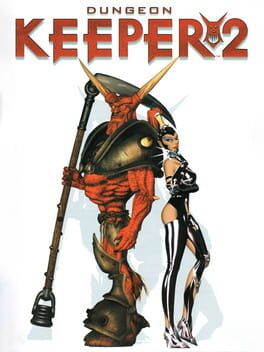
Dungeon Keeper 2 lets you assume the role of an evil overlord, constructing sprawling underground lairs while recruiting monsters to defend against heroic intruders. The game blends real‑time strategy, role‑playing elements, and dark comedy to create a uniquely mischievous experience for both solo and multiplayer play.
- Unique blend of humor and strategy
- Deep management mechanics
- Cross‑platform support
- Rich retro aesthetic
- Deep, customizable dungeon building system
- Humorous tone that sets it apart from typical RTS titles
- Robust multiplayer with both cooperative and competitive modes
- Varied monster roster with meaningful upgrades
- Dated graphics by modern standards
- Steep learning curve for new players
- Limited replay variety after mastering
- Graphics are dated by modern standards
- Steep learning curve for new players
- Multiplayer matchmaking can be unreliable
More alternatives & similar tools
Alternatives to Afterlife
View all →
Alternatives to Dungeon Keeper 2
View all →
Break the barrier, face bandits, and survive Khorinis’s darkest night.
The Verdict
AI-generated from listing dataDungeon Keeper 2 offers deeper strategic building and multiplayer options, while Afterlife provides a unique single‑player management experience with a quirky business twist.
Key differences
- •Dungeon Keeper 2 includes multiplayer (co‑op and competitive) whereas Afterlife is single‑player only.
- •Dungeon Keeper 2 focuses on dungeon construction and monster combat; Afterlife centers on managing an afterlife bureaucracy.
- •Dungeon Keeper 2 has a horror‑comedy fantasy setting; Afterlife uses a humorous underworld business theme.
- •Afterlife allows pricing and tax policy mechanics for souls; Dungeon Keeper 2 lacks economic policy systems.
- •Both have dated graphics, but Dungeon Keeper 2 adds pause‑and‑play tactical control absent in Afterlife.
Gameplay & fun factor
Dungeon Keeper 2 combines building, combat, and multiplayer, offering broader strategic fun than Afterlife's single‑player focus.
Platform availability
Afterlife explicitly mentions cross‑platform support; Dungeon Keeper 2 platform details not specified.
Price & value
Both cost $39.99 one‑time, offering comparable monetary value.
Multiplayer / co‑op
Dungeon Keeper 2 provides both cooperative and competitive multiplayer; Afterlife is single‑player only.
Content & replayability
Dungeon Keeper 2’s varied monsters, spells, and dynamic AI give more replay hooks than Afterlife’s limited post‑mastery variety.
Difficulty & accessibility
Both have steep learning curves, but Afterlife’s single‑player scope may be easier to approach than Dungeon Keeper 2’s multiplayer matchmaking issues.
Graphics & performance
Both are described as having dated graphics; no further distinction provided.
Choose Afterlife if…
Players who prefer a quirky single‑player management sim with business mechanics.
Choose Dungeon Keeper 2 if…
Players who want multiplayer, combat‑focused RTS with deep dungeon building.
Common questions
Do either games support modern operating systems?
Not specified in the provided facts for either title.
Is there any ongoing multiplayer matchmaking for Dungeon Keeper 2?
Multiplayer exists, but matchmaking is noted as unreliable.
Which game offers more strategic depth?
Dungeon Keeper 2, with monster upgrades, spells, resource types, and dynamic AI, provides broader strategic depth.