


Age of Wonders III vs Blood Bowl
Side-by-side comparison of features, pricing, ratings, and alternatives.
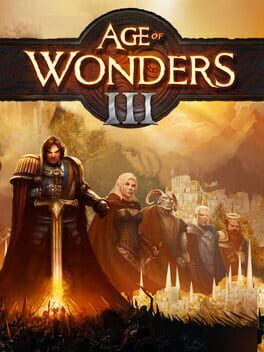
Age of Wonders III blends turn‑based strategy with rich role‑playing elements, letting you lead a custom hero from one of six races and classes across a high‑fantasy world. Explore, expand, exploit, and exterminate while managing cities, diplomacy, and epic tactical battles in fully 3D environments.
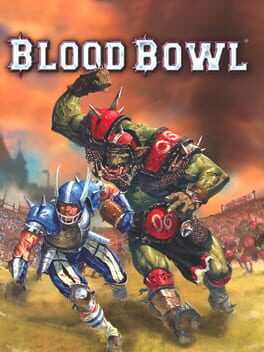
Blood Bowl blends tactical turn‑based gameplay with the chaos of a fantasy sport. Two teams battle to carry a ball into the opponent’s end zone, using everything from brute force to bribed referees and illegal wizards. The game offers a wide roster of races and a humor‑filled world, challenging players to out‑think and out‑muscle their opponents while managing injuries, morale, and unpredictable magic.
- Deep leader customization with RPG progression
- Robust 3D tactical combat system
- Extensive replay value via random maps and editor
- Supports both single‑player and multiplayer experiences
- Deep tactical depth with many race options
- Humorous and immersive fantasy setting
- Multiplayer support for competitive play
- Varied illegal actions add strategic layers
- Steep learning curve for new players
- AI can be predictable on higher difficulties
- Limited mod support compared to newer titles
- Steep learning curve for new players
- Critic scores indicate mixed reception
- Graphics are dated compared to modern titles
More alternatives & similar tools
Alternatives to Age of Wonders III
View all →
Classic first‑person RPG adventure returns with party‑based quests in a fantasy world.
Alternatives to Blood Bowl
View all →Classic first‑person RPG adventure returns with party‑based quests in a fantasy world.
The Verdict
AI-generated from listing dataAge of Wonders III offers higher critical acclaim, broader strategic depth, and more modern graphics, while Blood Bowl delivers a unique fantasy‑sports experience with humor but a steeper learning curve and dated visuals.
Key differences
- •Core genre: Blood Bowl is a fantasy‑sports turn‑based board‑game; Age of Wonders III is a 4X turn‑based strategy with empire building.
- •Critical reception: Blood Bowl 45/100 vs Age of Wonders III 80/100.
- •Multiplayer modes: Blood Bowl offers standard multiplayer; Age of Wonders III adds co‑op and larger multiplayer options.
- •Content scope: Blood Bowl focuses on squad matches; Age of Wonders III includes city building, leader RPG progression, and map editor.
- •Graphics: Blood Bowl’s visuals are described as dated; Age of Wonders III has more modern 3D tactical combat.
Gameplay & fun factor
Blood Bowl provides a unique, humor‑rich fantasy‑sports experience not found in typical 4X games.
Platform availability
Both are paid, single‑purchase titles with no platform details provided; assume equal availability.
Price & value
Both cost $59.99, but Age of Wonders III’s higher critic score (80) suggests better value.
Multiplayer / co‑op
Age of Wonders III supports single‑player, multiplayer, and co‑op; Blood Bowl only lists single‑player and multiplayer.
Content & replayability
Age of Wonders III includes city building, leader customization, random maps, and a map editor; Blood Bowl is limited to squad matches.
Difficulty & accessibility
Both note a steep learning curve; no further data to differentiate.
Graphics & performance
Blood Bowl is described as having dated graphics; Age of Wonders III uses modern 3D tactical combat.
Choose Age of Wonders III if…
Players seeking deep 4X strategy, leader RPG progression, robust multiplayer/co‑op, and higher critical praise.
Choose Blood Bowl if…
Fans of fantasy sports, humor, and board‑game style tactics who don’t mind dated graphics.
Common questions
Do both games support online multiplayer?
Yes. Blood Bowl offers multiplayer; Age of Wonders III adds multiplayer and co‑operative modes.
Which game has better critical reception?
Age of Wonders III has a critic score of 80/100, compared to Blood Bowl's 45/100.
Is there a map editor or random map generation?
Age of Wonders III includes random map generation and a built‑in map editor; Blood Bowl does not.