


Alien Syndrome vs Martian Panic
Side-by-side comparison of features, pricing, ratings, and alternatives.
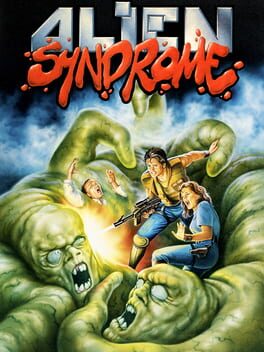
In this retro sci‑fi shooter, you infiltrate an alien‑infested out‑colony to rescue hostages and destroy the alien menace. Armed with upgradable weapons, you battle through increasingly intricate sectors, facing terrifying Super Aliens and a ticking time bomb that threatens everyone. Co‑operative play lets you team up with a friend to clear each sector, rescue survivors, and trigger the final blast before the bomb detonates. Fast‑paced action, horror‑filled atmosphere, and classic arcade challenges make every run intense and rewarding.
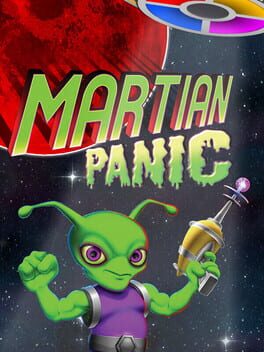
Martian Panic throws you and up to three friends into a frantic, 50's sci‑fi inspired shoot‑em‑up where colorful alien invaders swarm iconic locations. Blast through waves, collect power‑ups, rescue civilians, and rack up high scores in a vibrant comic‑book world. With a range of weapons, quirky enemies, and retro‑styled visuals, the game delivers nonstop action for both solo and couch‑co‑op play on PlayStation 4, PC, and Nintendo Switch.
- Fast‑paced, adrenaline‑filled gameplay.
- Engaging co‑op mode for two players.
- Varied weapon upgrades and enemy types.
- Retro graphics and soundtrack.
- Local multiplayer adds instant party fun.
- Vibrant comic‑book visuals stand out.
- Varied weapons and power‑ups keep gameplay fresh.
- Multiple iconic locations provide visual variety.
- Limited platform availability.
- Simple AI can become predictable.
- No modern online multiplayer features.
- Limited to local co‑op, no online multiplayer.
- Graphics may feel dated for modern expectations.
- Short campaign length without extensive replay modes.
More alternatives & similar tools
Alternatives to Alien Syndrome
View all →

Alternatives to Martian Panic
View all →


The Verdict
AI-generated from listing dataMartian Panic offers broader local couch co‑op (up to 4) with varied weapons but a short campaign, while Alien Syndrome delivers a classic arcade‑style experience with eight sectors and tighter 2‑player co‑op.
Key differences
- •Maximum local players: 4 in Martian Panic vs 2 in Alien Syndrome.
- •Content depth: Martian Panic has a short single campaign; Alien Syndrome provides eight distinct sectors with increasing complexity.
- •Aesthetic: Martian Panic uses a colorful 1950s comic‑book style; Alien Syndrome uses pixel‑art 1980s arcade graphics and chiptune music.
- •Replay incentives: Martian relies on scoring and leaderboards; Alien adds a timer, bomb defusal, and sector variety for replay.
- •Platform notes: Alien Syndrome is noted as having limited platform availability; Martian Panic’s platform scope is not specified.
Gameplay & fun factor
Supports up to four local players and diverse weapon upgrades, offering more chaotic fun than the 2‑player only Alien Syndrome.
Platform availability
Alien Syndrome is explicitly limited; Martian Panic’s platform range is not provided, so no clear advantage.
Pricing & value
Both are one‑time paid titles; no price details are given to differentiate value.
Multiplayer / co‑op
Martian Panic allows up to four players locally, whereas Alien Syndrome only supports two‑player co‑op.
Content & replayability
Alien Syndrome offers eight sectors, a timer, and bomb‑defusal mechanics that encourage repeated runs; Martian Panic’s campaign is short with limited replay modes.
Difficulty & accessibility
Both carry a T/PEGI 7 rating; no specific difficulty information is provided.
Graphics & performance
Both use retro aesthetics—Martian Panic’s 1950s comic style and Alien Syndrome’s 1980s pixel art—so visual appeal is subjective.
Choose Alien Syndrome if…
Buyers seeking a classic arcade feel with sector‑based challenges for two players.
Choose Martian Panic if…
Buyers who want a party‑style couch co‑op experience for up to 4 players.
Common questions
What is the cost of each game?
Both are sold as one‑time paid titles; exact prices are not specified in the provided data.
How many players can play together?
Martian Panic supports up to four players locally; Alien Syndrome supports two players cooperatively.
Which game offers more content to replay?
Alien Syndrome provides eight distinct sectors with timers and bomb‑defusal mechanics, giving more structured replay opportunities than Martian Panic’s short campaign.