


Alien Syndrome vs Global Defence Force
Side-by-side comparison of features, pricing, ratings, and alternatives.


Alien Syndrome is a 2007 remake that blends classic arcade shooting with deep RPG progression, delivering a fast‑paced hack‑and‑slash experience set in a hostile space environment. Players navigate cramped corridors, slay alien enemies, and collect loot while upgrading their characters. The game supports both single‑player and split‑screen multiplayer, letting friends team up to tackle wave after wave of extraterrestrial threats, all under a gritty sci‑fi aesthetic reminiscent of early 2000s action titles.
Global Defence Force is a third‑person action shooter for PlayStation 2 that pits you against massive swarms of insects, towering robots, and colossal UFOs. Choose between the infantryman or the agile Pale Wing, equip two weapons per mission, and fight through larger, more detailed maps with scripted objectives. The game adds split‑screen cooperative play, new enemy types, enhanced physics, and a variety of weapons that unlock as you collect enemy drops, delivering a classic arcade‑style experience with modern twists.
- Fast, satisfying combat
- Deep RPG progression system
- Local split‑screen co‑op
- Atmospheric sci‑fi environments
- Two distinct playable classes
- Extensive weapon variety
- Split‑screen co‑op on PS2
- Larger, more detailed levels
- Low critic score reflects uneven polish
- Limited platform availability
- Multiplayer restricted to split‑screen only
- No online multiplayer
- Radio chatter removed in English version
- Graphics dated by modern standards
More alternatives & similar tools
Alternatives to Alien Syndrome
View all →Alternatives to Global Defence Force
View all →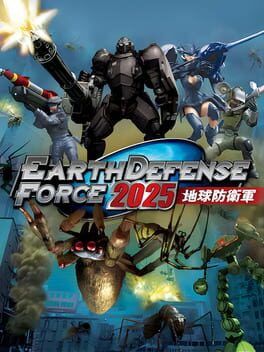
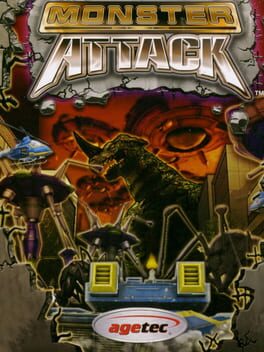

Fight giant insects and aliens in massive city‑wide battles.
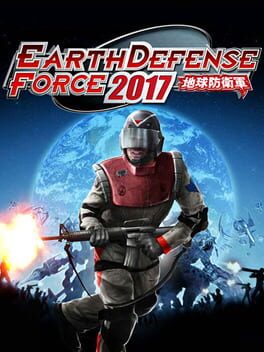
Fight giant insects, robots, and UFOs in a destructible world with 150 weapons.
The Verdict
AI-generated from listing dataBoth games offer split‑screen co‑op on a console, but Global Defence Force is a straightforward shooter with two classes, while Alien Syndrome adds RPG depth and endless modes but suffers a low critic score.
Key differences
- •Global Defence Force provides two distinct playable classes (infantryman vs flying Pale Wing); Alien Syndrome focuses on a single character with RPG progression.
- •Alien Syndrome includes experience points, skill trees, and loot upgrades; Global Defence Force relies on weapon drops only.
- •Global Defence Force’s graphics are explicitly noted as dated; Alien Syndrome’s visual quality isn’t specified.
- •Alien Syndrome has a critic score of 45/100, indicating poorer overall reception; Global Defence Force’s score isn’t listed.
- •Both support only local split‑screen multiplayer; neither offers online play.
Gameplay & fun factor
Alien Syndrome adds combo‑based melee, skill trees and loot, giving deeper, more varied gameplay than the pure shooter of A.
Platform availability
Global Defence Force is confirmed for PS2; Alien Syndrome’s platform isn’t specified in the data.
Pricing & value
Both are paid one‑time titles; no price differences are provided.
Multiplayer / co‑op
Each supports only local split‑screen co‑op; neither offers online multiplayer.
Content & replayability
Alien Syndrome includes endless wave modes and loot systems, extending replay value beyond A’s scripted missions.
Difficulty & accessibility
No specific difficulty or accessibility information is given for either game.
Graphics & performance
Global Defence Force is described as having dated graphics; Alien Syndrome’s graphics are not described, implying no known drawback.
Choose Alien Syndrome if…
Buyers who prioritize RPG progression, loot, and endless replay modes, and can overlook a low critic score.
Choose Global Defence Force if…
Buyers who want a classic shooter with two distinct classes and reliable PS2 support, without needing RPG depth.
Common questions
Do either of these games support online multiplayer?
No. Both only support local split‑screen co‑op.
Which game offers more replay value?
Alien Syndrome, thanks to its endless wave modes and loot/upgrade system.
Is there any price difference between the two?
Both are sold as one‑time paid titles; no price difference is listed.